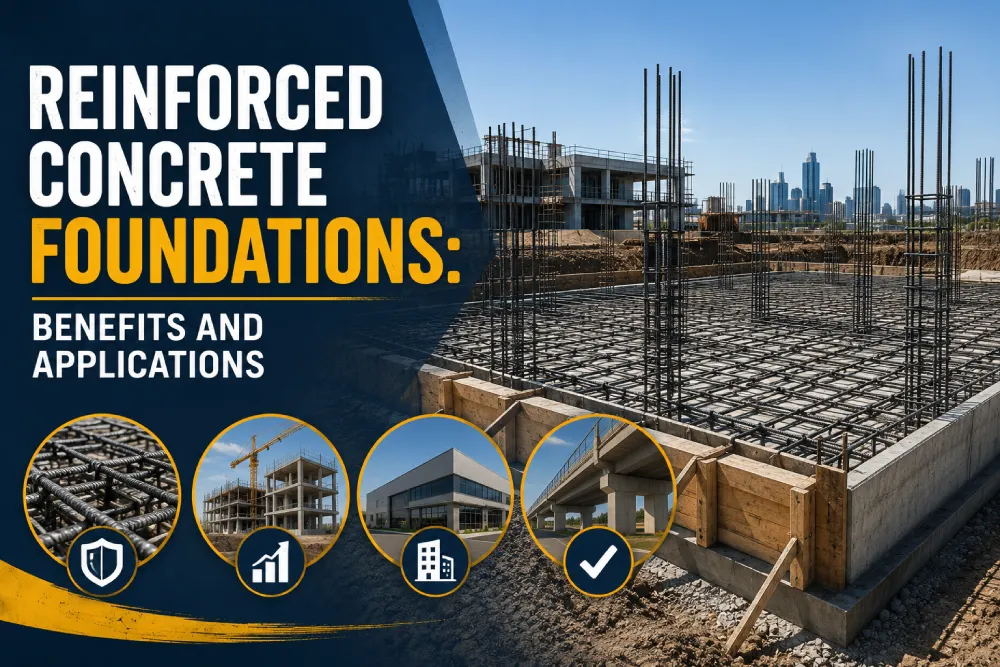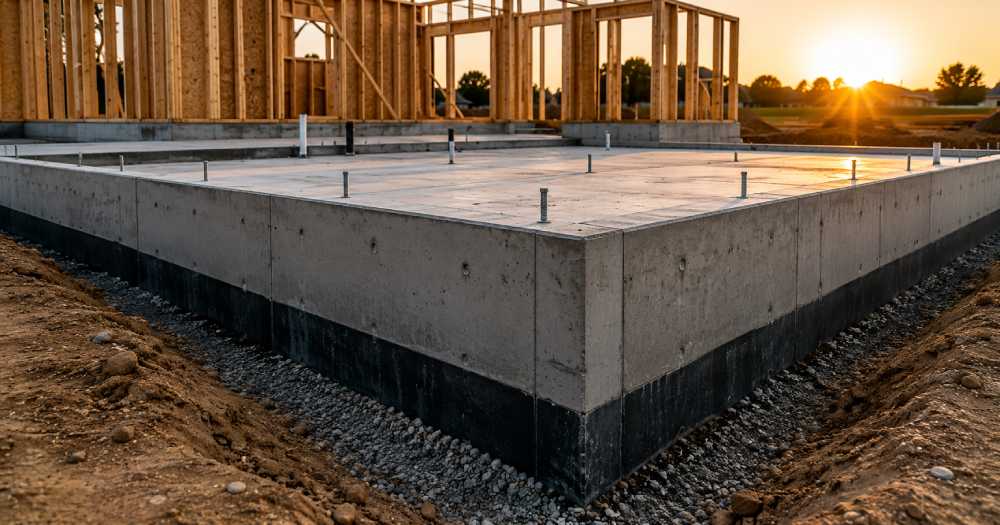
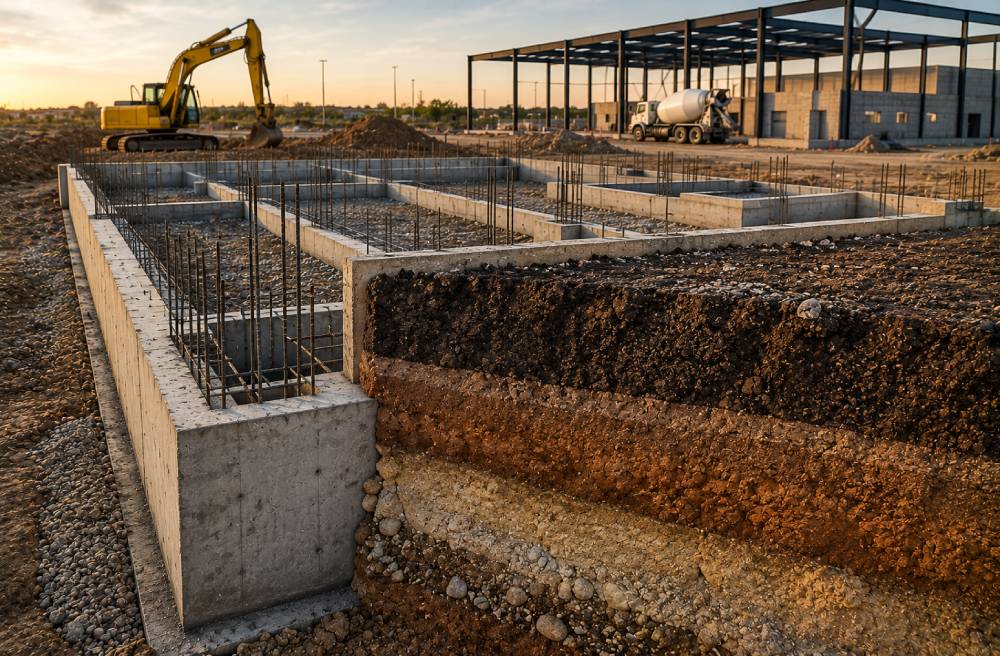
Concrete is only as strong as the ground beneath it. When it comes to soil and foundations, the relationship between earth and structure determines whether a building performs well for decades or develops costly problems within a few years. In West Texas, where soil types can vary dramatically between neighborhoods in Odessa, Midland, and across the Permian Basin, understanding soil behavior is critical before pouring a single yard of concrete.
For homeowners, commercial property managers, developers, and industrial facility owners, soil conditions influence foundation stability, construction costs, and long-term structural performance. This article explains how soil affects concrete foundations, what risks to watch for, and how proper site preparation and foundation engineering protect your investment.
Why Soil and Foundations Are Closely Connected
Every building depends on the soil beneath it to safely transfer weight to the ground. When soil conditions are overlooked or misunderstood, even well-designed concrete can crack, settle, or shift. Understanding soil and foundations starts with recognizing that soil is not a static material. It expands, contracts, shifts, and responds to changes in moisture, temperature, and load.
In West Texas, soil types can range from sandy loams to highly expansive clay. Some soils provide excellent drainage and stable support, while others swell dramatically when wet and shrink when dry. These natural movements directly impact foundation stability and can lead to structural damage if not properly addressed.
The key is evaluating soil conditions before construction begins and designing a foundation system that accommodates or mitigates those conditions through smart engineering and thorough site preparation.
Common Soil Types in Odessa, Midland, and West Texas
The Permian Basin presents unique geotechnical challenges. Soil composition in this region often includes clay-heavy layers with varying degrees of plasticity and moisture retention. Below are the most common soil types contractors encounter in the area.
Expansive Clay Soil
Expansive soil contains high levels of clay minerals that expand when exposed to moisture and shrink as they dry. This expansion can exert tremendous upward pressure on slabs and footings, while drying periods can cause voids beneath the foundation.
Common characteristics include:
- Cracking soil during dry weather
- Sticky or highly plastic texture when wet
- Significant volume changes with seasonal moisture shifts
In regions of Midland and Odessa, expansive clay is one of the leading causes of foundation movement. Without proper foundation engineering, structures can experience uneven lifting (heave) or settlement.
Sandy Soil
Sandy soil drains well and typically does not expand like clay. However, it can shift or erode if not properly compacted during site preparation. Loose sands may not provide consistent support without mechanical compaction.
While sandy soils can be advantageous, improper grading or insufficient compaction can compromise foundation stability over time.
Caliche and Hardpan
Caliche is a hardened natural calcium carbonate layer common in parts of West Texas. It can provide excellent bearing capacity if intact. However, inconsistent distribution can create uneven support if one section of a foundation rests on hard caliche while another sits on softer soil.
Professional evaluation ensures that the foundation design accounts for these variations.
How Expansive Soil Impacts Foundation Stability
Expansion and Heaving
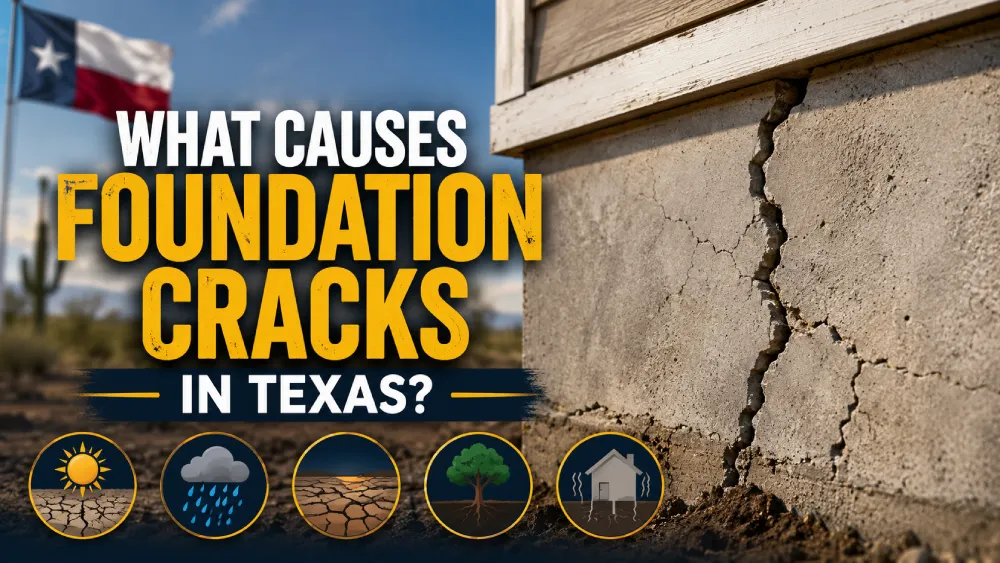
When expansive soil becomes saturated, it swells and pushes upward on concrete slabs and footings. This upward movement is called heave. If moisture distribution is uneven, the slab may lift in one area while remaining stable in another, leading to cracks or structural stress.
Shrinkage and Settlement
During dry periods, especially common in West Texas summers, clay-heavy soils shrink. This shrinkage can leave gaps beneath foundations, reducing support. The weight of the structure may then cause portions of the slab to settle.
Differential Movement
The most damaging scenario occurs when parts of a foundation move differently from others. Known as differential settlement, this can cause:
- Cracking in walls and floors
- Doors and windows that won’t close properly
- Separation at expansion joints
- Damage to plumbing lines beneath slabs
Proper foundation engineering anticipates these risks through reinforced slab designs, deeper footings, or alternative systems tailored to local soil conditions.
The Role of Site Preparation in Long-Term Performance
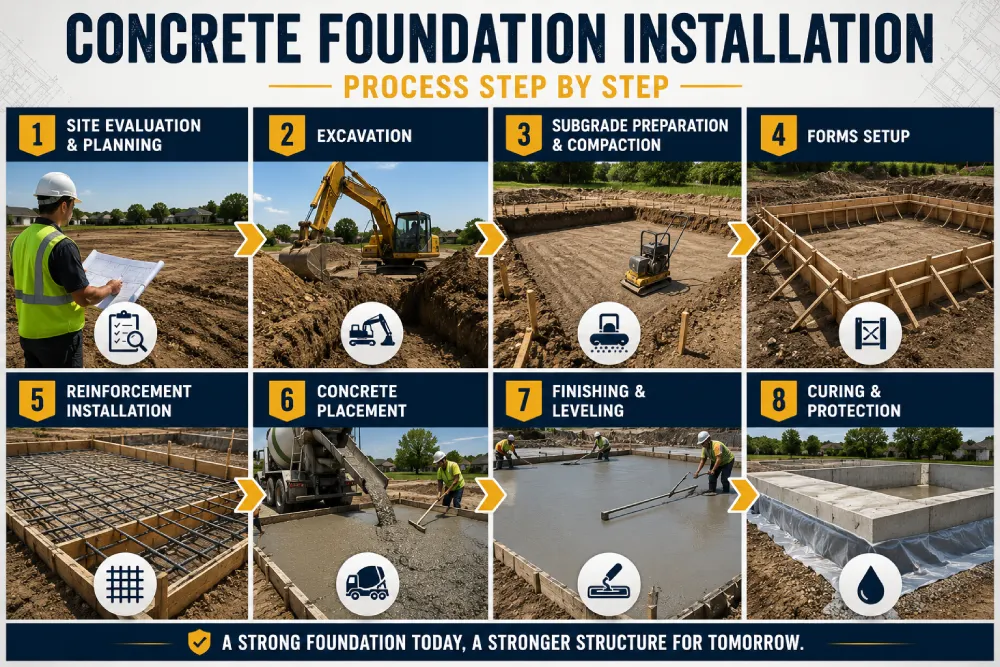
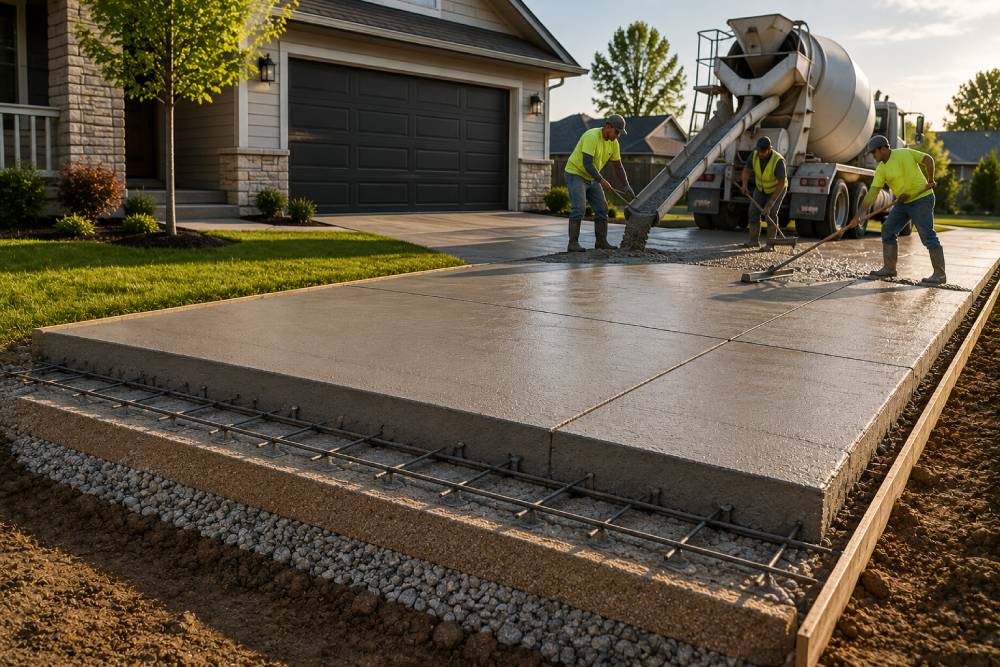
Site preparation is one of the most important steps in any concrete project. Cutting sidewalks, driveways, or building slabs into unprepared ground almost guarantees future problems.
What Proper Site Preparation Includes
- Soil Testing and Evaluation
A geotechnical investigation identifies soil composition, bearing capacity, and expansion potential. This data informs foundation design decisions. - Moisture Conditioning
In areas with expansive soil, moisture content is adjusted prior to construction to reduce future swelling or shrinking. - Compaction
Soil is placed and compacted in controlled lifts to achieve target density. Proper compaction improves foundation stability and reduces settlement risks. - Grading and Drainage Control
Surface water must be directed away from the structure. Grading ensures runoff does not pool near foundations.
In the Permian Basin, where rainfall can be intense but sporadic, drainage planning is especially important. Poor drainage can amplify expansive soil problems and accelerate foundation damage.
Foundation Engineering Solutions for Challenging Soil
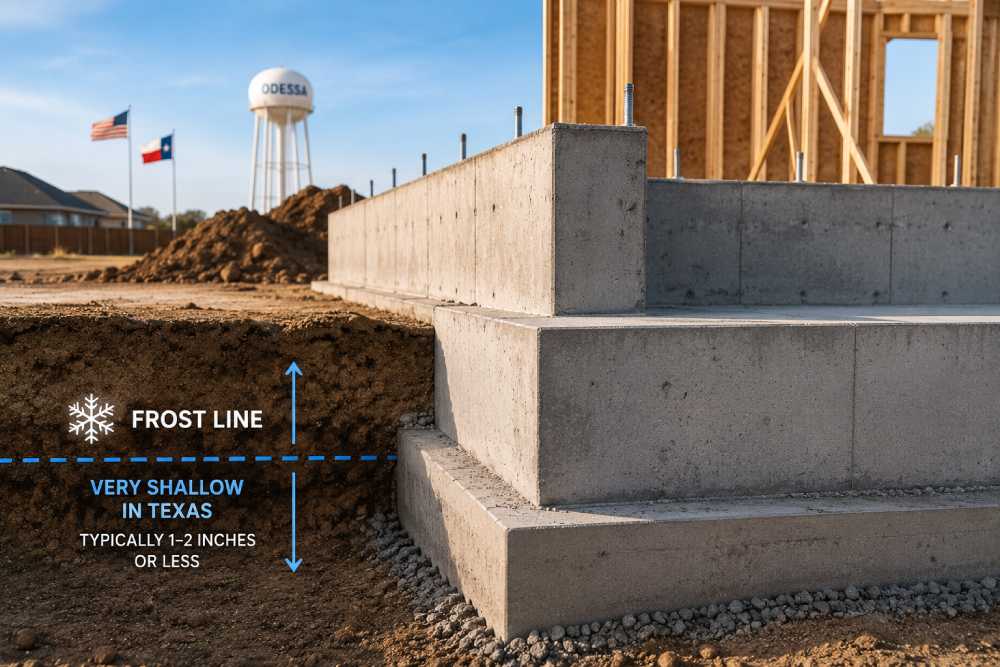
When soil conditions present risks, foundation engineering provides structural solutions tailored to those challenges. The goal is to design a concrete foundation system that manages soil movement rather than being damaged by it.
Post-Tensioned Slabs
Post-tensioned concrete slabs use steel cables that are tensioned after the concrete cures. This system adds compressive strength and allows the slab to better resist cracking caused by soil movement.
Post-tensioning is commonly used in areas with expansive soil because it distributes loads more evenly and increases overall durability.
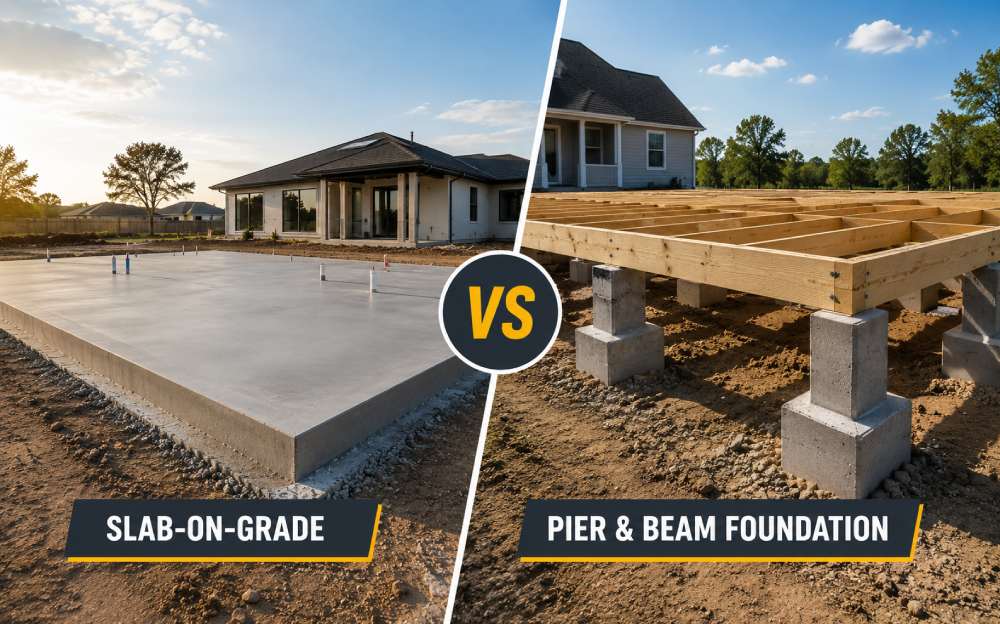
Pier and Beam Foundations
Pier and beam systems elevate the structure above grade using deep piers anchored into more stable soil layers. This design helps reduce the impact of surface soil movement.
For certain commercial or residential projects in Midland and Odessa, this approach offers greater flexibility when soil conditions are highly variable.
Drilled Piers or Caissons
In industrial or larger commercial applications, drilled concrete piers extend deep into stable strata. These systems bypass unstable upper soils and transfer loads to stronger layers below.
This method is often preferred for heavy-load structures such as warehouses, oilfield facilities, or equipment pads throughout West Texas.
Comparing Soil Types and Foundation Considerations
| Soil Type | Expansion Risk | Drainage | Typical Foundation Approach |
|---|---|---|---|
| Expansive Clay | High | Poor | Post-tension slab or deep piers |
| Sandy Soil | Low | Good | Reinforced slab with strong compaction |
| Caliche | Low-Moderate | Moderate | Slab-on-grade with careful leveling |
| Mixed Soils | Variable | Variable | Engineered foundation based on test data |
Each project requires evaluation, but this table highlights why soil and foundations must always be considered together.
Warning Signs of Soil-Related Foundation Issues
Property owners often notice symptoms before realizing soil conditions are the root cause. Early identification can prevent more costly repairs in the future.
Common warning signs include:
- Stair-step cracks in brick or block walls
- Interior drywall cracking
- Uneven floors
- Tilting fences or exterior slabs
- Separation around garage doors
In West Texas, seasonal moisture changes can make these symptoms more noticeable during extreme wet or dry periods. If signs appear, a professional evaluation helps determine whether soil movement is affecting foundation stability.
How Soil Conditions Affect Different Types of Projects
Residential Homes
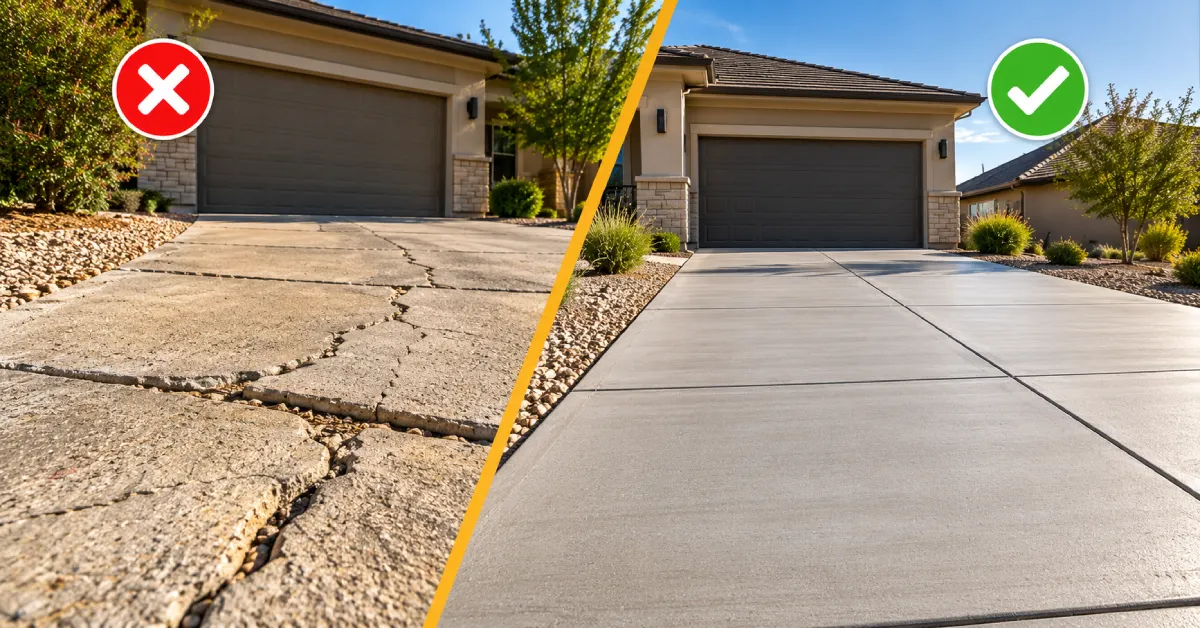
Homeowners in Odessa and Midland frequently face issues related to expansive soil beneath slab-on-grade foundations. Driveways, patios, and sidewalks are also vulnerable to soil movement if not properly installed with expansion joints and reinforced concrete.
Careful site preparation and moisture management around the home play key roles in minimizing long-term problems.
Commercial Buildings
Retail centers, office spaces, and multi-tenant properties must maintain consistent floor levels to avoid tenant complaints or accessibility concerns. Uneven settlement can disrupt business operations and create liability risks.
Commercial projects often require more rigorous foundation engineering to ensure stability over a larger footprint.
Industrial and Oilfield Facilities
Industrial structures in the Permian Basin frequently support heavy machinery, storage tanks, and high-traffic areas. These loads magnify the risks associated with poor soil preparation.
Thorough geotechnical analysis and engineered foundations are critical to maintaining safety and operational continuity.
Best Practices for Protecting Foundation Stability
Regardless of project type, certain best practices apply across the board.
Maintain Consistent Moisture Levels
For expansive soil areas:
- Avoid overwatering landscape beds near foundations
- Use proper grading to channel rainwater away
- Repair plumbing leaks promptly
Sudden shifts between overly wet and extremely dry soil increase expansion and contraction cycles.
Ensure Proper Drainage
Install:
- Gutters and downspouts that discharge away from the structure
- Positive slope grading
- Drainage systems where necessary
Water management is one of the simplest and most effective ways to preserve concrete foundations in West Texas.
Work With Experienced Concrete Professionals
An experienced contractor understands local soil patterns and integrates that knowledge into construction planning. In the Permian Basin, familiarity with regional soil behavior is just as important as technical concrete expertise.
Frequently Asked Questions (FAQ)
How do I know if my property has expansive soil?
A geotechnical soil test is the most reliable way to determine expansion potential. Visual clues like deep ground cracking in dry weather or sticky soil when wet may indicate clay-heavy expansive soil, but testing provides definitive data.
Can soil movement be completely prevented?
Soil movement cannot be entirely eliminated, especially in areas with expansive soil. However, proper site preparation and foundation engineering significantly reduce risk and help foundations perform safely despite natural ground movement.
Is a thicker slab enough to solve soil issues?
Increasing slab thickness alone does not address soil behavior. Reinforcement, post-tensioning, moisture control, and proper compaction are more effective solutions than thickness alone.
Why is drainage so important in West Texas?
Even in relatively dry climates, sudden heavy rains can saturate clay soils quickly. Without proper drainage, water accumulation increases expansion pressure and compromises foundation stability.
When should soil testing be performed?
Soil testing should be completed before finalizing foundation design and before major concrete is poured. Early testing prevents costly redesigns or repairs later.
Get a Free Concrete Project Estimate
Understanding soil and foundations is essential for building structures that last in Odessa, Midland, and throughout the Permian Basin. Whether you are planning a new home, commercial building, equipment pad, or industrial facility in West Texas, soil conditions must be evaluated and addressed through proper site preparation and foundation engineering.
Permian Basin Concrete provides residential, commercial, and industrial concrete services across the region. Our team works with property owners, developers, and contractors to ensure each project is built on stable, properly prepared ground designed for long-term performance.
If you are planning a concrete project or have concerns about foundation stability, contact Permian Basin Concrete for a free project consultation and estimate.
Email: permianbasinconcrete@gmail.com
We proudly serve Odessa, Midland, and the surrounding Permian Basin region with dependable, professionally engineered concrete solutions tailored to West Texas soil conditions.