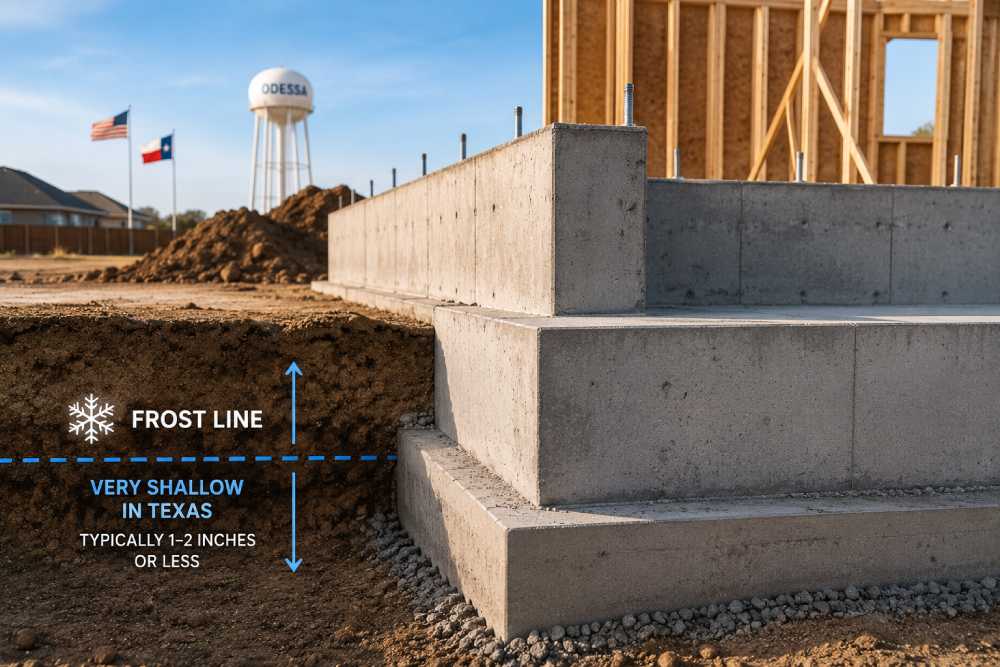
If you’re planning a new build or replacing a concrete foundation Texas property owners depend on, you’ve probably come across the term frost line concrete foundation. In colder states, building below the frost depth is a critical structural requirement. But what about here in West Texas?
Homeowners, developers, and business owners in Odessa, Midland, and across the Permian Basin often ask whether the foundation frost line really matters in our region. The short answer is: not in the same way it does up north. However, understanding frost depth and soil movement is still important if you want your slab foundation or structural foundation to perform well for decades.
In this guide, we’ll break down what frost depth means, how it affects foundations, and whether you need to design your project around the frost line in West Texas.
What Is the Frost Line in a Concrete Foundation?
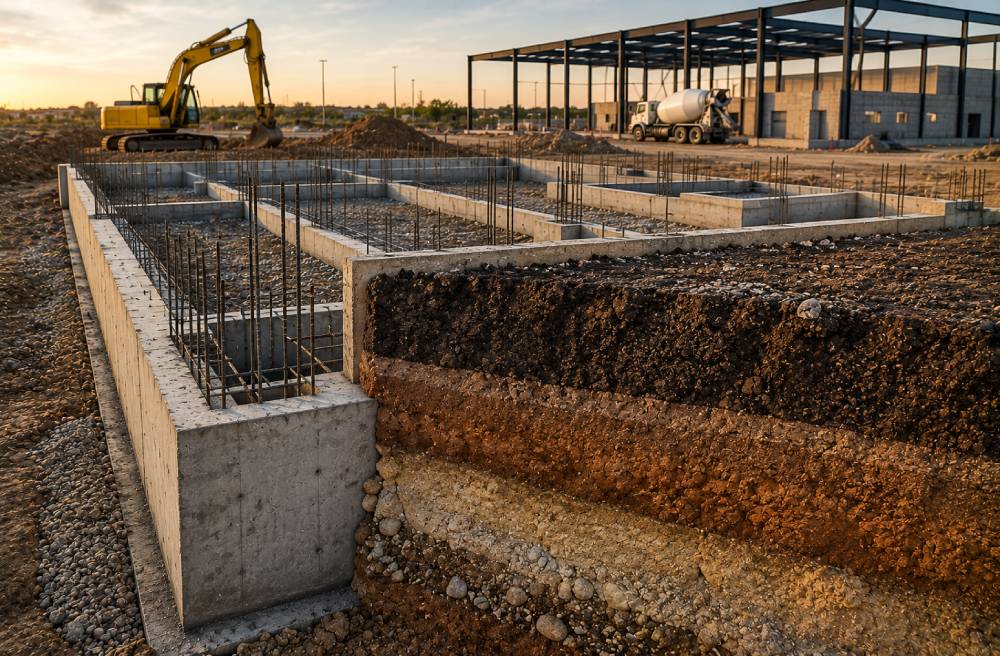
The frost line—also called frost depth—is the maximum depth in the ground where soil moisture is expected to freeze during cold weather. Building codes in many parts of the country require footings to extend below this depth to prevent frost heave from damaging the structure.
When water in the soil freezes, it expands. That expansion can lift soil upward, putting pressure on foundations. If footings are too shallow in freeze-prone climates, they can shift, crack, or become uneven over time.
A frost line concrete foundation is typically designed to prevent that movement by:
- Extending footings below the frost depth
- Using reinforced concrete footings
- Incorporating drainage to reduce water saturation
In northern states, frost depth can reach 36 inches, 48 inches, or deeper. In those regions, frost protection is a major structural concern.
How Frost Heave Damages Foundations
Frost heave occurs when:
- Soil contains enough moisture to freeze.
- Temperatures remain below freezing long enough for deep soil freezing.
- Soil types allow for water retention and expansion.
As ice forms in the soil, it creates upward pressure beneath slabs and footings. This can lead to:
- Cracked slab foundation surfaces
- Uneven floors
- Sticking doors and windows
- Foundation settlement after thawing
While frost heave is common in colder regions, it is far less common in most parts of Texas.
What Is the Frost Depth in West Texas?
In much of Texas, especially the Permian Basin, frost depth is relatively shallow compared to northern states. In many areas of Midland and Odessa, the foundation frost line is often considered negligible for typical residential slab construction.
According to regional building data:
- Frost depth in much of West Texas is typically under 10 inches.
- Prolonged deep ground freezes are rare.
- Freeze events are usually short in duration.
Because of this, local building codes in many West Texas jurisdictions do not require deep frost footings for standard residential slab foundation construction.
That said, this does not mean foundations can be shallow without proper engineering. Soil movement in Texas presents a different kind of challenge.
The Real Concern in Texas: Expansive Soils, Not Frost
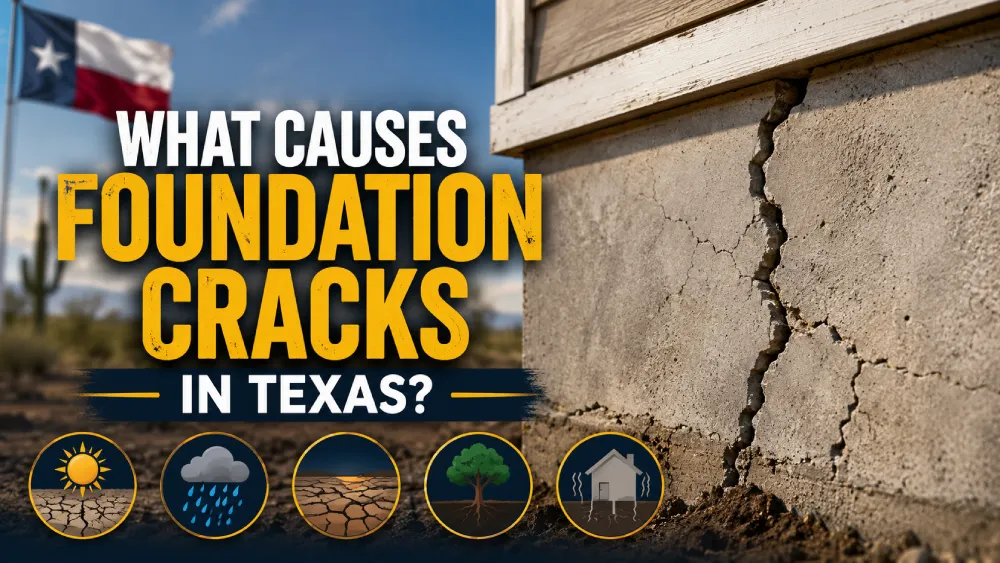
While frost depth is minimal in the Permian Basin, expansive clay soils are a much bigger concern. Much of the soil in West Texas contains clay that expands significantly when wet and shrinks when dry.
This constant swelling and shrinking can cause more damage than frost in our region. Property owners often mistake soil movement damage for frost issues, when in reality, moisture fluctuation is the main cause.
Key Differences: Frost vs. Expansive Soil
| Factor | Frost Line Issues | Expansive Clay Issues |
|---|---|---|
| Main Cause | Frozen water expansion | Moisture changes in soil |
| Common in West Texas? | Rare | Very common |
| Affects Frost Line Concrete Foundation? | In cold states | Yes, indirectly |
| Prevention | Build below frost depth | Proper slab design & drainage |
In Midland, Odessa, and surrounding areas, foundation performance depends far more on:
- Soil preparation
- Reinforcement design
- Drainage planning
- Moisture control
A properly engineered slab foundation is typically sufficient without deep frost footings.
When Does Frost Line Matter in Texas?
Although frost depth is usually not a primary concern in West Texas, there are specific scenarios where contractors and engineers still account for it.
1. Northern or Elevated Areas of Texas
Some northern Texas regions experience deeper frost penetration. Projects in higher elevations may require frost-protected footings based on local code.
2. Detached or Light Structures
Fences, small walls, and standalone concrete piers can be more vulnerable if placed too shallow, especially during extended cold snaps. Even then, proper compaction and minimal embedment often suffice in the Permian Basin.
3. Industrial Projects
Industrial and oilfield facilities sometimes involve deep pier foundations or structural systems that go well below surface soils anyway. In these cases, frost is rarely the controlling factor—but geotechnical reports may still analyze freeze-thaw potential.
For most residential slab foundation projects in Odessa and Midland, frost line requirements are minimal compared to soil stability concerns.
Frost Line Concrete Foundation vs. Slab Foundation in Texas
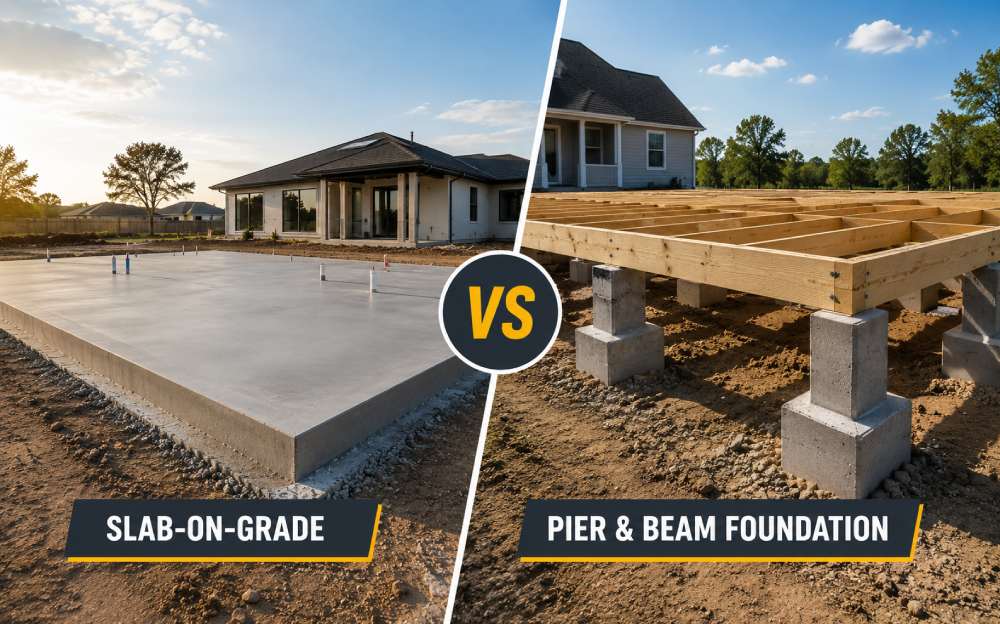
In cold climates, homes often use basement foundations with deep footings placed below frost depth. In contrast, most homes in West Texas rely on slab-on-grade construction.
Why Slab Foundations Work in West Texas
A slab foundation works well in our climate for several reasons:
- Mild winter temperatures
- Minimal frost penetration
- Lower construction costs
- No need for deep excavation
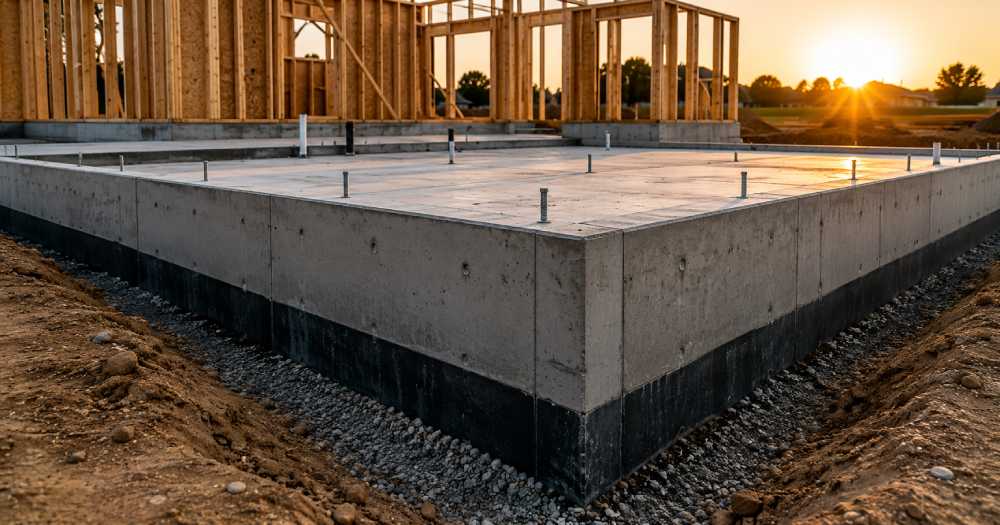
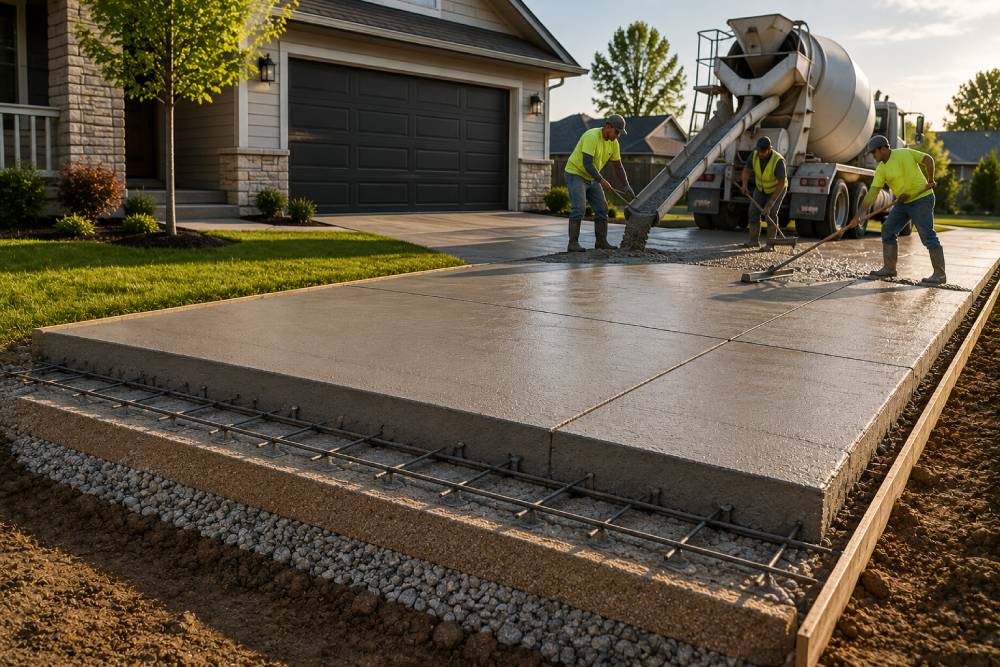
A properly designed slab includes:
- Reinforced concrete
- Thickened edges or grade beams
- Moisture barrier beneath the slab
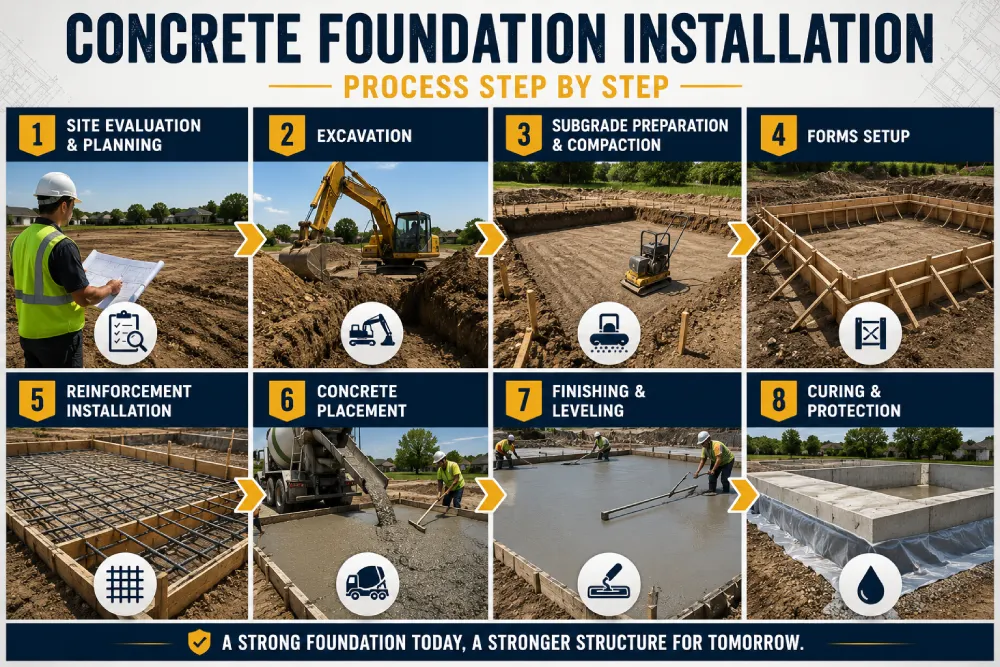
- Proper subgrade compaction
Rather than digging deep to avoid frost depth, builders here focus on soil movement, drainage, and structural reinforcement.
Comparison: Deep Frost Footings vs. Slab Foundation
| Feature | Deep Frost Footing | Slab Foundation Texas |
|---|---|---|
| Depth | 3–4+ feet in cold states | Typically shallow |
| Climate Need | Cold regions | Warm regions |
| Cost | Higher excavation cost | More cost-effective |
| Common in Permian Basin? | Rare | Very common |
For most projects in the Permian Basin region, slab-on-grade is both code-compliant and structurally appropriate.
How to Protect a Concrete Foundation in West Texas
Even though frost line concrete foundation requirements are limited here, there are practical steps to protect your investment.
1. Start with a Soil Evaluation
For commercial, industrial, or large residential projects, a geotechnical soil report provides valuable data about:
- Soil bearing capacity
- Expansion potential
- Moisture sensitivity
- Compaction requirements
This data ensures your concrete foundation Texas project is designed correctly from the start.
2. Proper Site Preparation
Quality site preparation includes:
- Removing loose or organic material
- Compacting subgrade soils
- Establishing proper elevation
- Ensuring positive drainage away from the building
Poor site preparation causes more foundation issues than frost ever will in this region.
3. Reinforced Concrete Design
Rebar placement and slab thickness matter. Reinforcement helps distribute load and resist cracking caused by:
- Soil expansion
- Temperature fluctuations
- Structural loads
A well-reinforced slab can withstand far greater stress than an under-designed one.
4. Drainage and Moisture Control
In West Texas, controlling water around the foundation is critical. Good drainage systems include:
- Proper grading
- Gutters and downspouts
- French drains when necessary
Keeping moisture levels consistent around the slab foundation reduces expansion and contraction cycles.
What Do Local Building Codes Require?
In Odessa and Midland, building departments typically follow International Residential Code (IRC) guidelines with regional modifications. Because frost depth is minimal, deep frost footings are generally not mandated for standard slab-on-grade homes.
However, code compliance may still involve:
- Minimum footing width and depth
- Reinforcement standards
- Anchor bolt requirements
- Engineering stamp for certain projects
Commercial and industrial builds in the Permian Basin often require engineered plans that consider structural loads more heavily than frost depth.
Always confirm requirements with local authorities or a qualified contractor before pouring a foundation.
Signs Your Foundation Is Experiencing Soil-Related Movement
Whether or not frost is a concern, foundation movement is something every property owner should monitor. Common warning signs include:
- Cracks in walls or brick veneer
- Uneven floors
- Separation around windows and doors
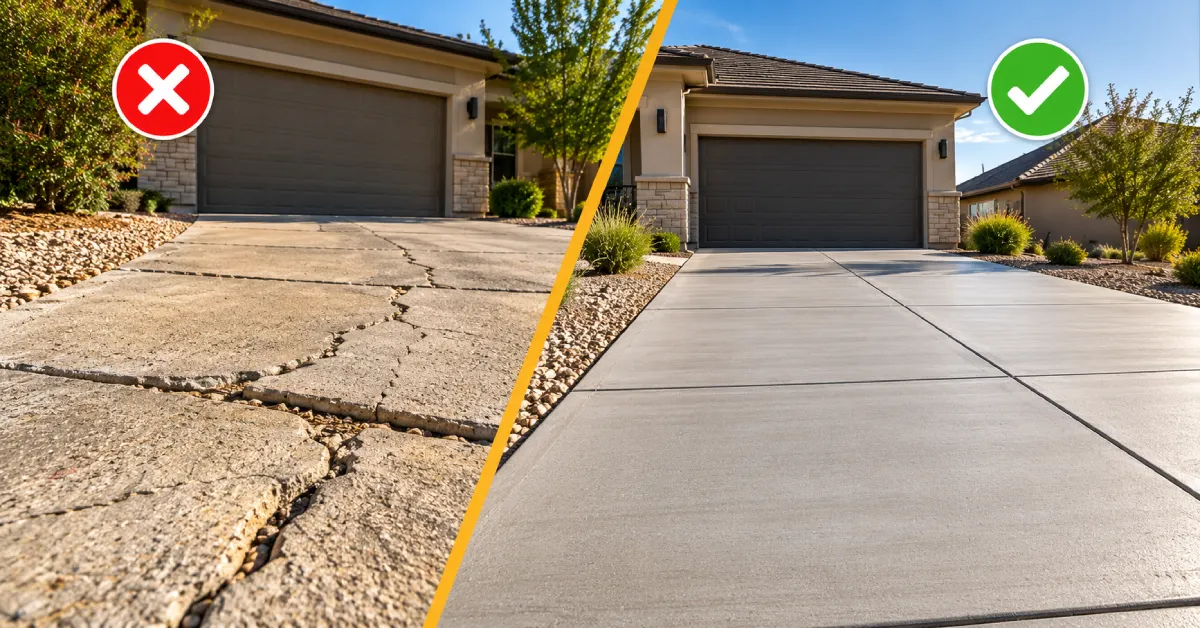
- Visible slab cracks
- Doors that stick or won’t latch
In West Texas, these issues are typically tied to moisture changes in expansive clay soils rather than to frost depth.
If you’re planning a new project, proper design and construction from the start is far less costly than repairs later.
Frequently Asked Questions (FAQ)
Does the frost line matter for a concrete foundation in Texas?
In most of West Texas, frost depth is shallow and not a major design factor for residential slab foundation construction. Soil expansion is usually a more important consideration.
What is the frost depth in Odessa and Midland, TX?
The foundation frost line in this region is typically minimal, often under 10 inches. Extended ground freezing is uncommon compared to northern states.
Do I need deep footings for a slab foundation in Texas?
Most slab-on-grade homes in the Permian Basin do not require deep frost footings. However, footing depth and reinforcement must meet local building code and structural requirements.
Is frost heave common in the Permian Basin?
Frost heave is rare in this region due to mild winters. Soil moisture variation and expansive clay are more common causes of foundation movement.
Should I get a soil test before building?
For commercial, industrial, and larger residential projects, a geotechnical report is highly recommended. It ensures your concrete foundation Texas project is engineered properly for local soil conditions.
Get a Free Concrete Project Estimate
If you’re planning a residential, commercial, or industrial project in Odessa, Midland, or anywhere in the Permian Basin, the foundation design matters. Whether you’re evaluating slab foundation options, planning a large industrial facility, or simply want expert guidance on soil and structural considerations, it pays to work with experienced professionals.
Permian Basin Concrete provides comprehensive concrete services throughout West Texas. From site preparation and reinforced foundations to large-scale commercial and industrial concrete work, our team understands the unique ground conditions of this region.
To discuss your upcoming project and get a free consultation and estimate, contact Permian Basin Concrete today at info@ermianbasinconcrete.com or visit https://permianbasinconcrete.com. We’re here to help you build with confidence from the ground up.