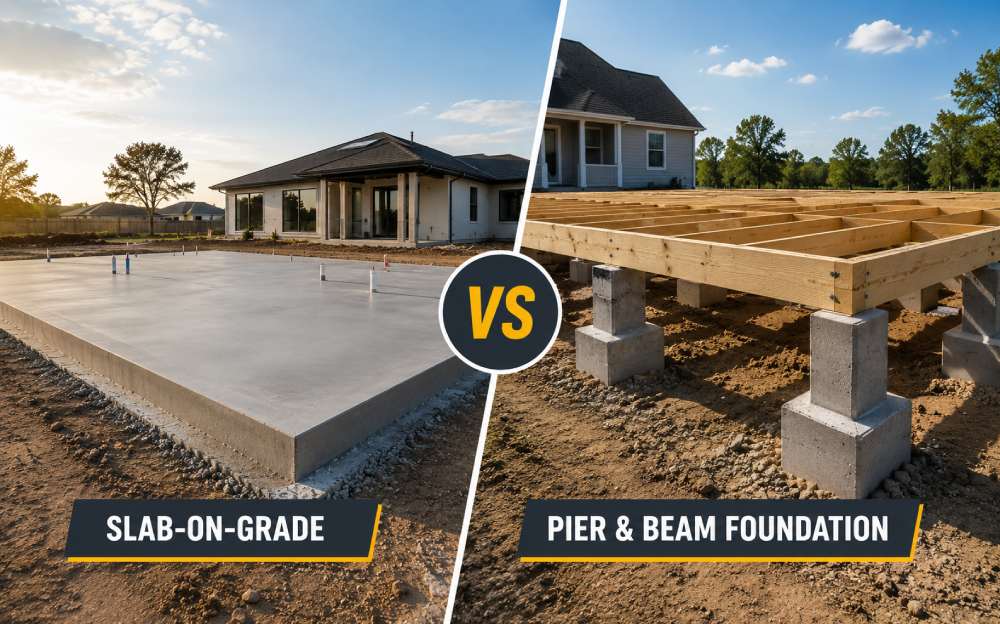
Choosing the right slab on grade foundation or pier and beam foundation is one of the most important decisions you’ll make when planning a new residential foundation or commercial building foundation. The type of foundation you select affects structural performance, long-term maintenance costs, energy efficiency, and how the building handles West Texas soil conditions.
In areas like Odessa, Midland, and across the Permian Basin, foundation choices matter even more because of expansive clay soils, temperature swings, and periods of drought followed by heavy rain. This foundation comparison will help homeowners, developers, and facility owners understand the advantages and drawbacks of each system so they can make a confident, informed decision.
Understanding the Basics of Each Building Foundation Type
Before comparing performance, it helps to understand how each type of residential foundation is built and how it functions structurally.
What Is a Slab-on-Grade Foundation?
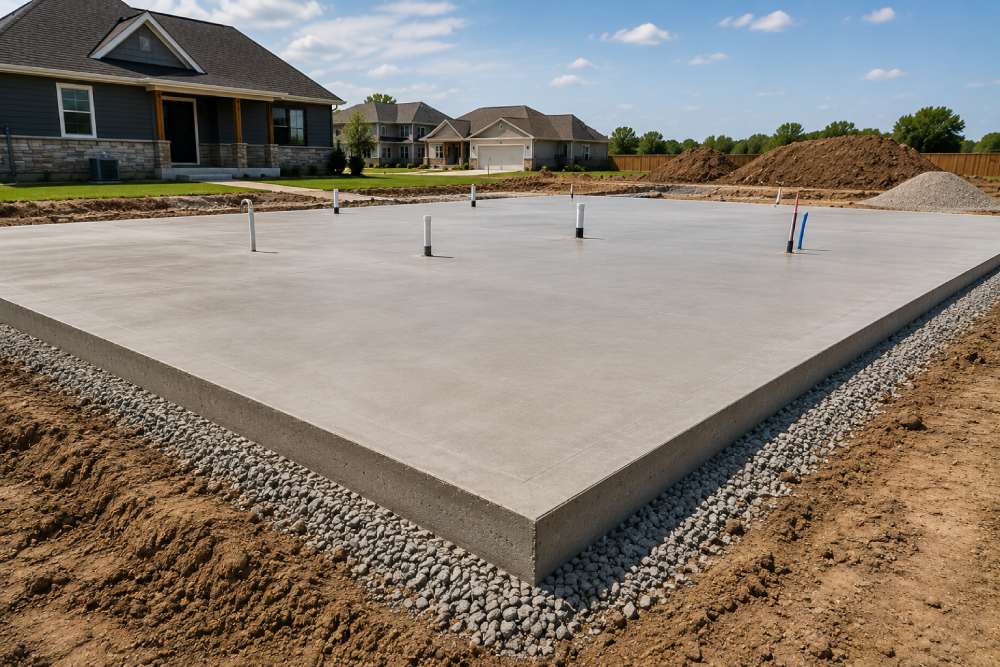
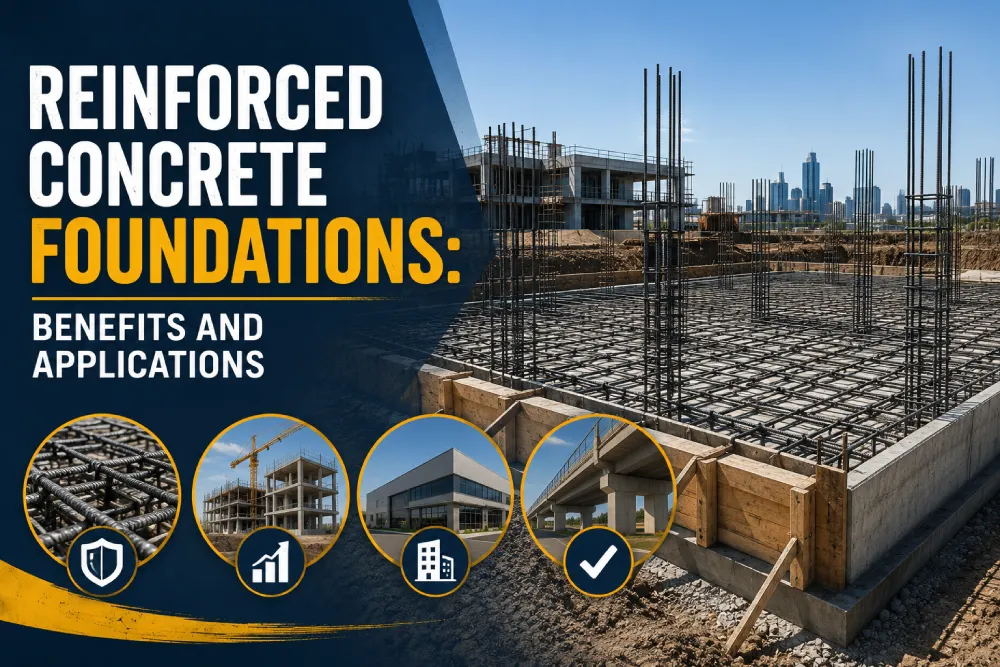
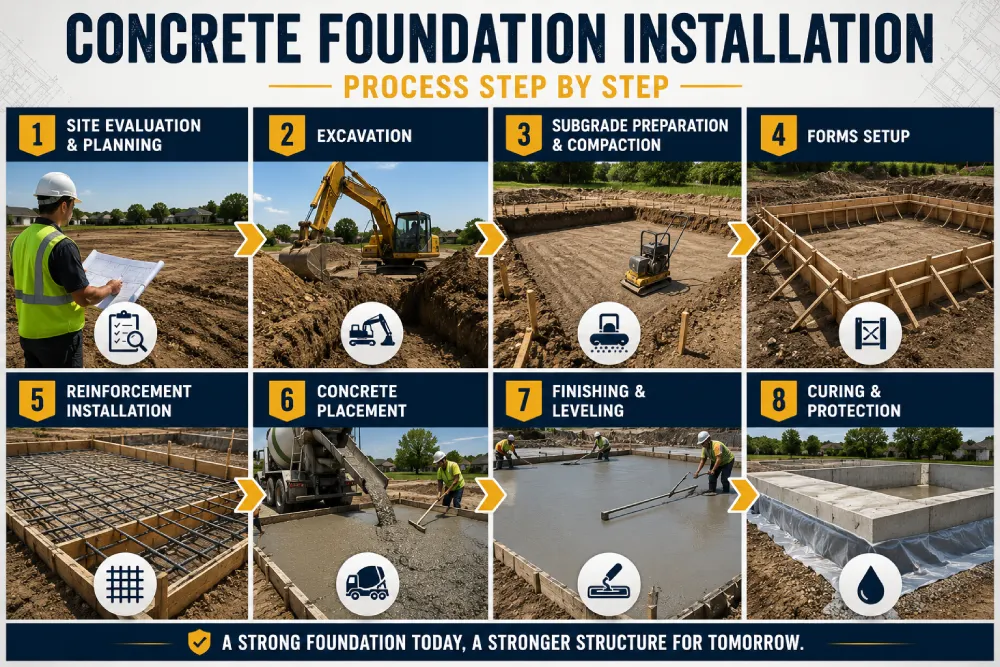
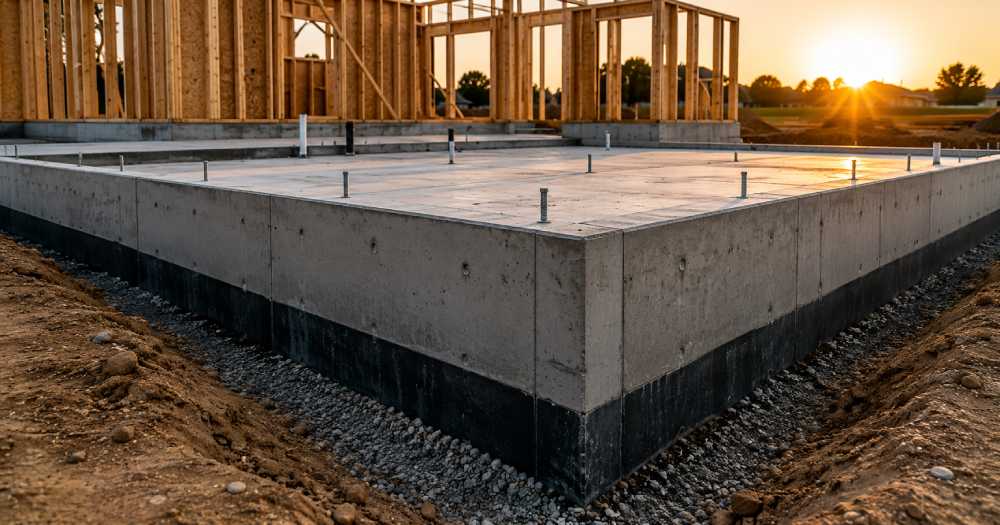
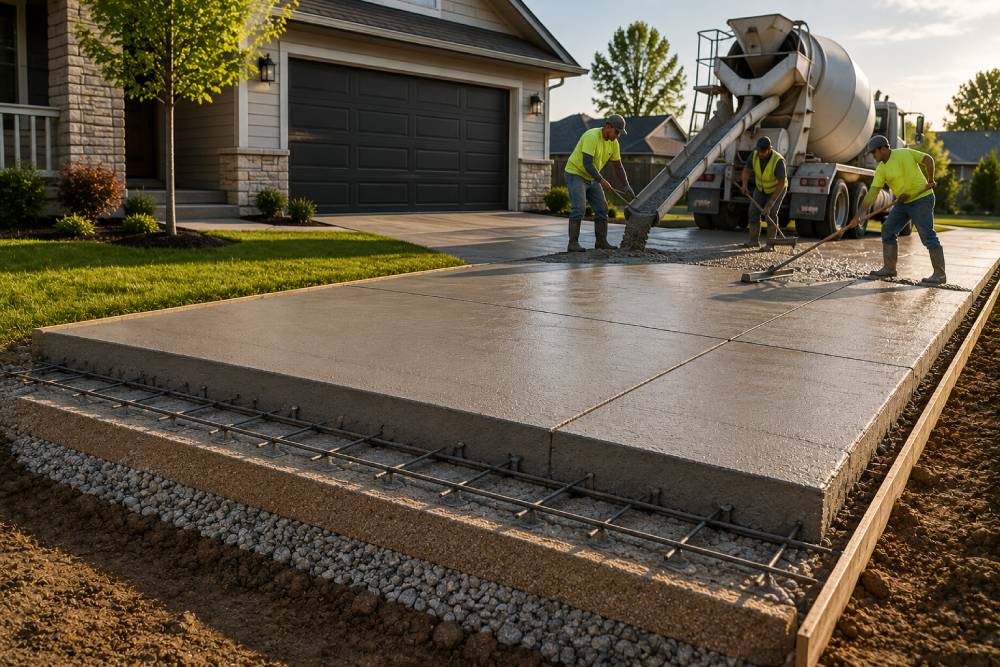
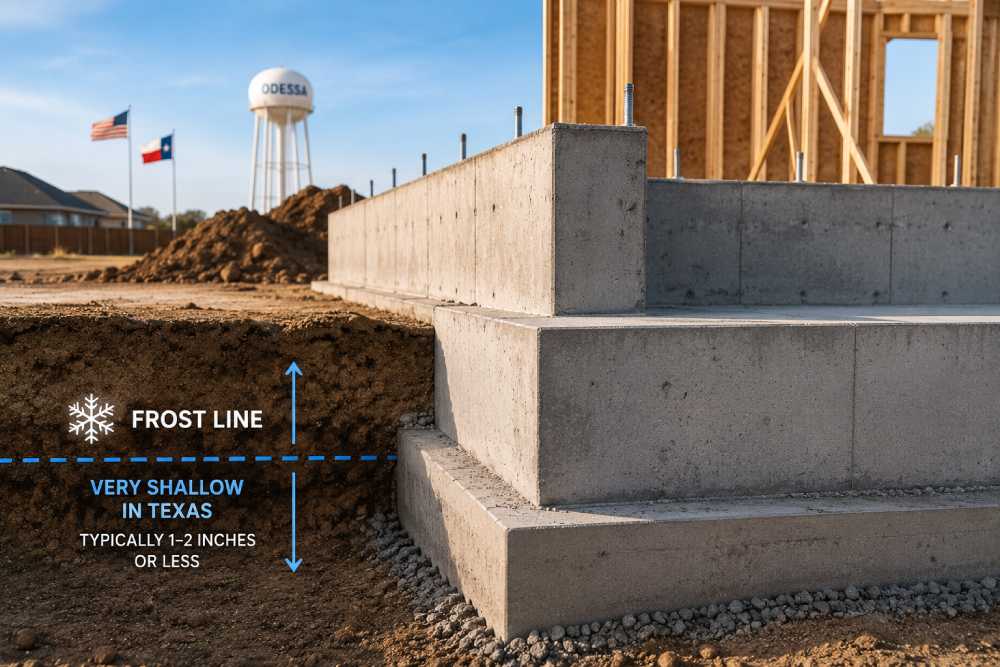
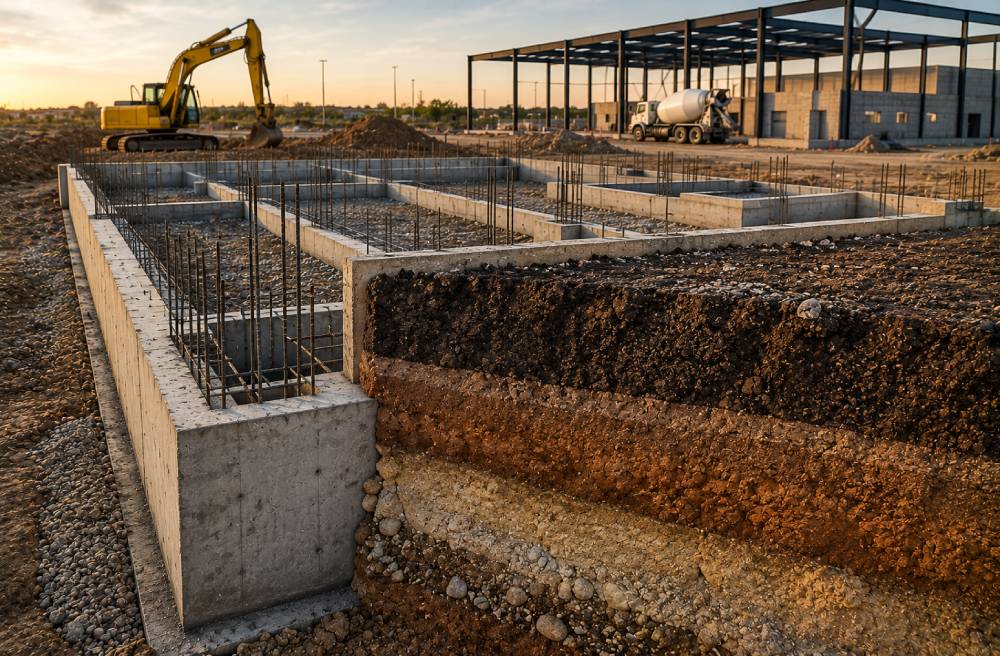
A slab on grade foundation is a single layer of reinforced concrete poured directly onto compacted soil. The slab typically ranges from 4 to 6 inches thick and includes thickened edges or grade beams for structural strength. Reinforcing steel (rebar or post-tension cables) is embedded in the concrete to manage movement and cracking.
This type of building foundation sits directly at ground level. There is no crawl space beneath the structure. Plumbing and utility lines are installed before the concrete is poured, and once the slab cures, the structure is built directly on top of it.
Slab-on-grade foundations are the most common type of residential foundation in Texas because they are cost-effective and well-suited for warmer climates.
What Is a Pier and Beam Foundation?
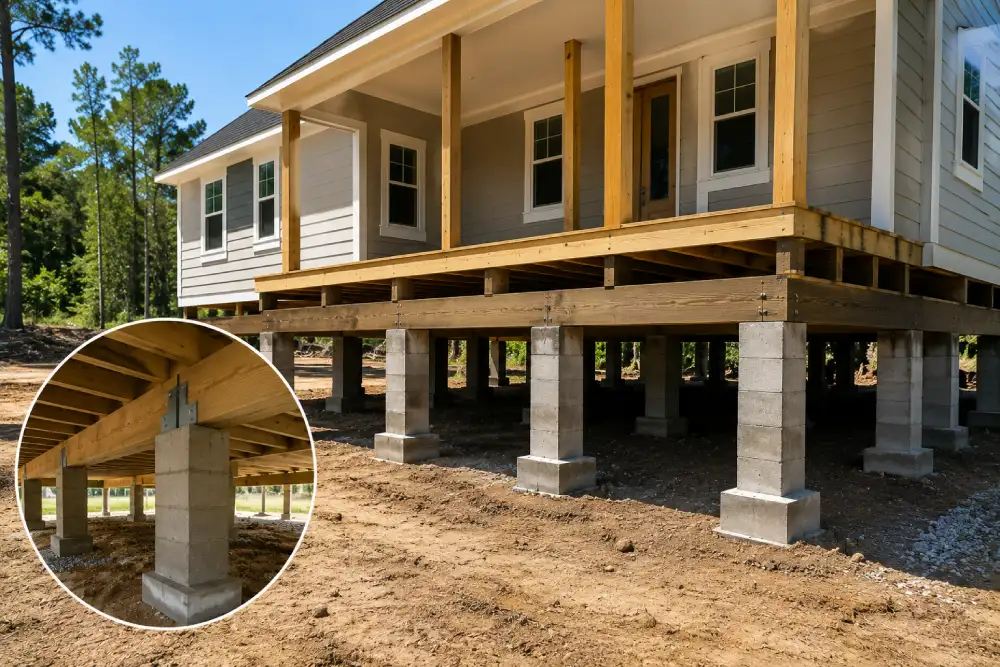
A pier and beam foundation uses vertical concrete piers or footings drilled into the ground to support beams and floor joists. The structure sits elevated above the soil, creating a crawl space beneath the building. This gap allows access to plumbing, electrical, and HVAC systems.
The system distributes weight through individual piers, which can extend deeper into stable soil layers. In areas with challenging soil conditions, this can provide long-term flexibility and easier repair options.
Pier and beam construction used to be the standard in many parts of Texas before slab-on-grade became more common. Today, it’s still used in specific scenarios where elevation or soil movement is a concern.
Slab-on-Grade Foundation: Advantages and Disadvantages
A slab on grade foundation is often the first choice for residential and commercial projects in the Permian Basin. However, it is important to understand both its strengths and limitations.
Advantages of a Slab-on-Grade Foundation
1. Cost-Effective Construction
Slab-on-grade foundations are generally less expensive to build because they require less excavation and fewer materials than pier and beam systems. The process is streamlined, which reduces labor costs and construction time.
2. Faster Project Timeline
Because there is no crawl space or elevated framing system, construction moves quickly once grading and preparation are complete. In fast-moving markets like Odessa and Midland, speed can be a major advantage.
3. Lower Risk of Pest Intrusion
With no crawl space below the structure, there is less opportunity for rodents and insects to nest underneath the building. This can reduce long-term pest management concerns.
4. Strong, Simple Structural Design
When engineered correctly, a slab on grade foundation provides a solid, continuous base that distributes loads evenly across the soil.
Disadvantages of a Slab-on-Grade Foundation
1. Limited Access to Utilities
Plumbing lines are embedded within the concrete. If a leak occurs, repairs may require breaking through the slab, which can be disruptive and costly.
2. Vulnerability to Expansive Soils
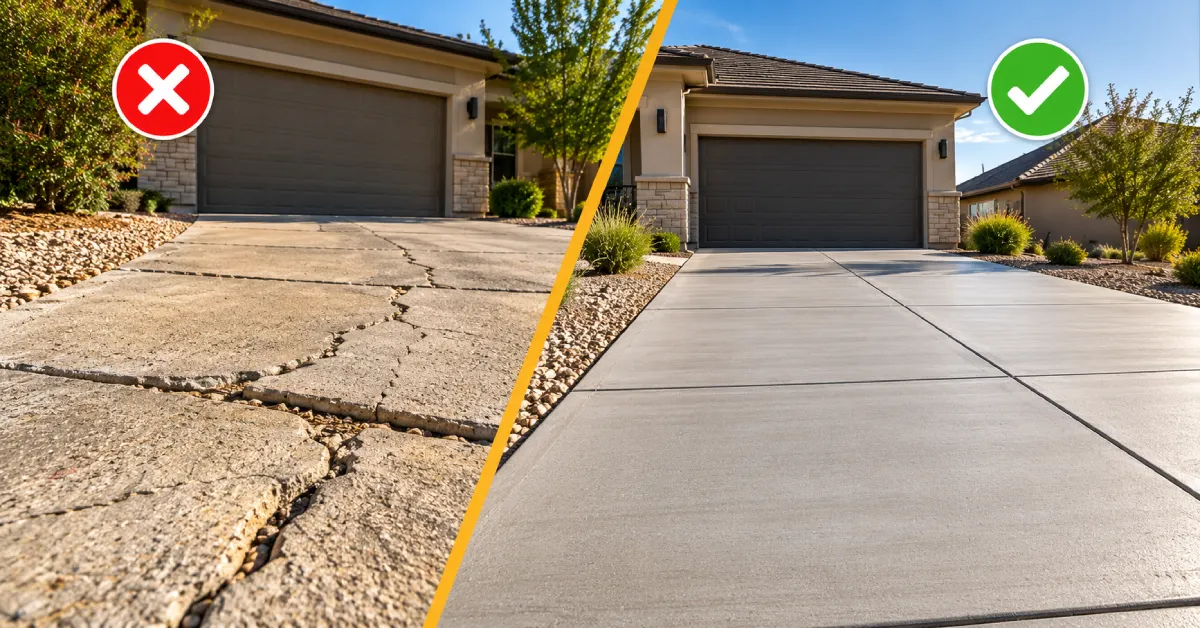
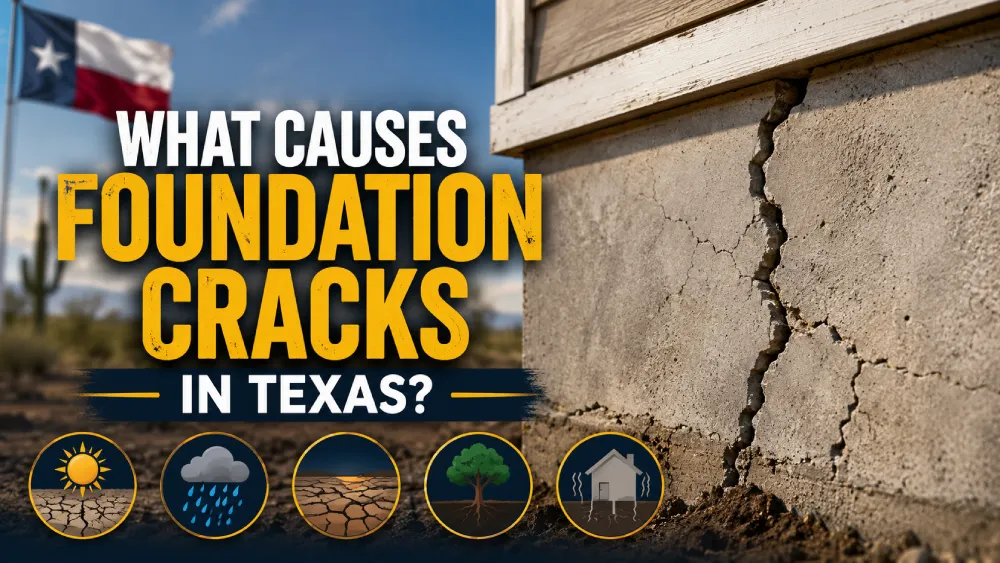
West Texas soils can expand during wet seasons and contract during drought conditions. Without proper soil preparation and reinforcement, slab movement can lead to cracks or structural stress.
3. Harder to Level After Settlement
Correcting a settling slab often involves advanced techniques such as underpinning or mudjacking, which can be more complex than raising piers in a pier and beam system.
Pier and Beam Foundation: Advantages and Disadvantages
The pier and beam foundation offers flexibility and access benefits, but it also comes with trade-offs.
Advantages of a Pier and Beam Foundation
1. Easier Utility Access
The crawl space allows plumbers and contractors to inspect and repair pipes without breaking concrete. This is particularly useful for older homes or properties that may require frequent plumbing updates.
2. Better Performance on Challenging Soil
Because piers can extend deeper into stable ground, this type of building foundation can handle expansive or shifting soil more effectively in some situations.
3. Easier Leveling and Repair
If movement occurs, individual piers can be adjusted or shimmed. Repairs are typically less invasive compared to slab work.
Disadvantages of a Pier and Beam Foundation
1. Higher Initial Construction Cost
Pier and beam systems often require more labor, materials, and structural components. This increases the upfront investment.
2. Moisture and Ventilation Concerns
Crawl spaces must be properly ventilated and moisture-controlled. Without maintenance, they can develop mold, wood rot, or mildew issues.
3. Potential for Uneven Floors
Over time, wood beams and joists may shift or settle, causing floors to slope or creak.
Slab-on-Grade Foundation vs Pier and Beam: Side-by-Side Comparison
The table below summarizes key differences in this foundation comparison:
| Feature | Slab-on-Grade Foundation | Pier and Beam Foundation |
|---|---|---|
| Construction Cost | Lower upfront cost | Higher upfront cost |
| Build Time | Faster | Slower |
| Maintenance | Lower ongoing maintenance | May require crawl space maintenance |
| Utility Access | Limited | Easy access |
| Performance on Expansive Soil | Good if engineered properly | Often adaptable due to deep piers |
| Energy Efficiency | Typically better insulation at ground level | May require additional floor insulation |
Each residential foundation option has its place depending on project type, soil conditions, and long-term goals.
Soil Conditions in Odessa, Midland, and the Permian Basin
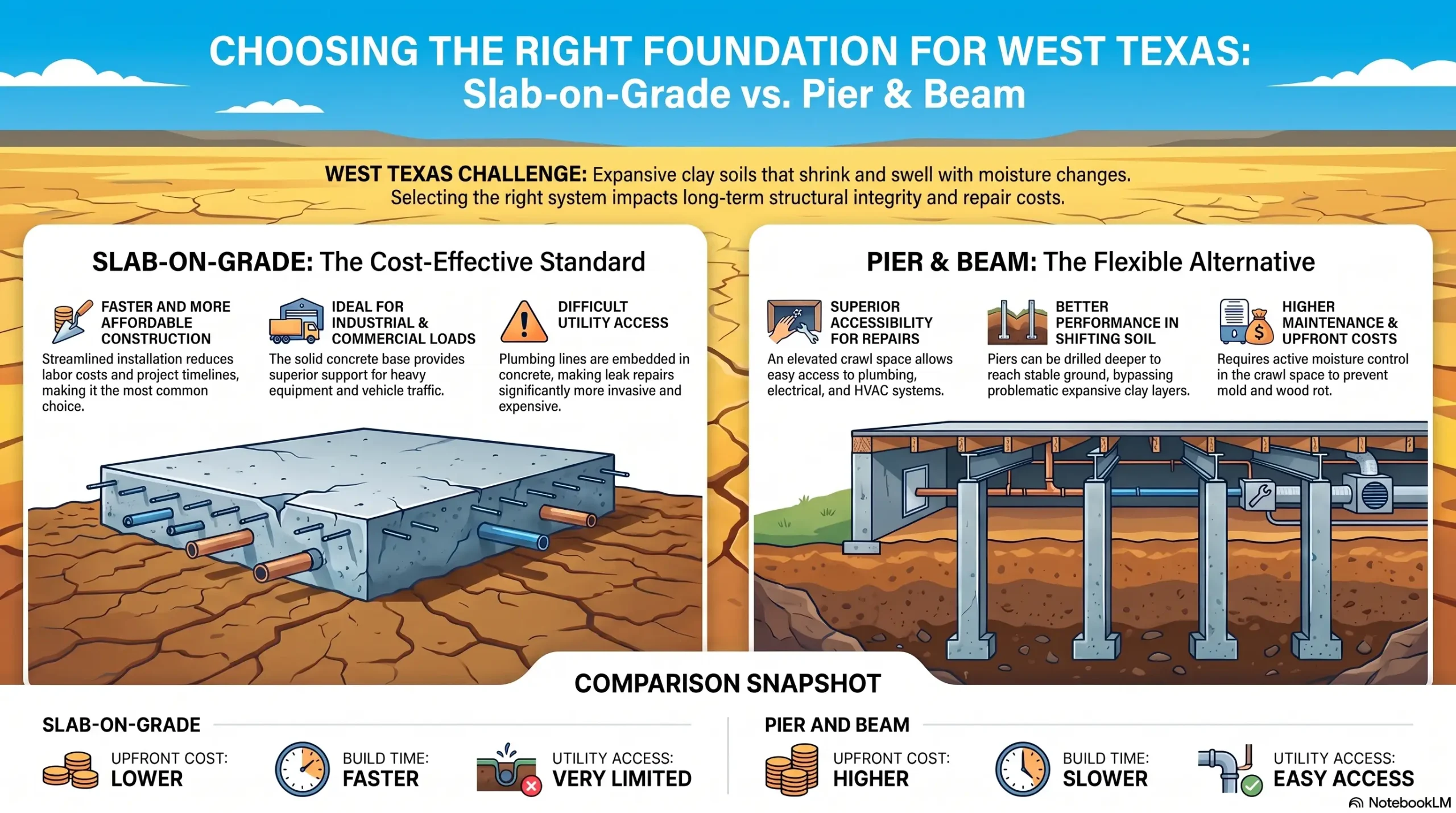
Soil movement is a major factor when selecting a building foundation in West Texas. The region contains expansive clay soils that absorb water during rainy periods and shrink during drought conditions. This constant expansion and contraction puts stress on foundations.
A properly designed slab on grade foundation in the Permian Basin should include:
- Thorough soil testing
- Proper compaction
- Moisture conditioning
- Reinforced grade beams
- Engineered rebar or post-tension systems
Pier and beam foundations may also require deep pier drilling to reach stable soil layers. The key is not choosing a foundation type based on trend or cost alone, but on engineered design suited to site-specific conditions.
Which Residential Foundation Is Better for Your Project?
The answer depends on several important factors.
Choose a Slab-on-Grade Foundation If:
- You want a cost-effective, streamlined construction process.
- You are building in a properly prepared and engineered site.
- You prefer lower ongoing maintenance.
- The project is a commercial or industrial facility requiring heavy load support.
Slab-on-grade foundations are especially common in modern developments throughout Midland and Odessa because of efficiency and durability.
Choose a Pier and Beam Foundation If:
- The site has severe soil instability that requires deeper support.
- You want easier long-term access to plumbing and mechanical systems.
- The design calls for elevation above grade.
- The structure may require frequent modifications.
Developers and property managers often weigh these factors carefully before selecting a residential foundation system.
Long-Term Costs and Maintenance Considerations
Foundation decisions should look beyond upfront cost. A slab on grade foundation may have lower initial pricing, but a plumbing repair can be more involved. Pier and beam systems may cost more initially but offer easier access for future repairs.
When budgeting, consider:
- Site preparation requirements
- Engineering and soil reports
- Drainage planning
- Utility accessibility
- Future remodeling or expansion plans
In West Texas, proper drainage and grading around the structure are just as important as the foundation type itself. Poor water management is one of the leading causes of foundation issues in the Permian Basin.
Commercial and Industrial Building Foundation Considerations
For commercial and industrial facilities, slab-on-grade foundations are often preferred due to their ability to support heavy loads such as equipment, storage systems, and vehicle traffic. Industrial sites in the oilfield industry frequently rely on reinforced concrete slabs for durability and longevity.
Pier and beam foundations are less common in large-scale industrial settings but may be used in specialty structures or elevation-sensitive builds.
Experienced concrete contractors evaluate:
- Load requirements
- Soil bearing capacity
- Drainage design
- Expansion and contraction control
- Reinforcement specifications
For business owners in Odessa and Midland, working with a knowledgeable foundation contractor ensures the foundation supports both current operations and future expansion.
Frequently Asked Questions (FAQ)
Is a slab-on-grade foundation good for West Texas soil?
Yes, when properly engineered. A slab on grade foundation designed with soil testing, reinforcement, and moisture control performs well in the Permian Basin climate.
Which foundation lasts longer?
Both systems can last decades when designed and installed correctly. Longevity depends more on soil preparation, drainage, and construction quality than the foundation type alone.
Is pier and beam more expensive?
In most cases, yes. Pier and beam foundations typically involve more materials and labor, increasing upfront cost compared to slab-on-grade construction.
Which foundation has fewer maintenance issues?
Slab-on-grade foundations generally require less routine maintenance, but repairs can be more invasive if plumbing issues occur. Pier and beam systems require crawl space upkeep but offer easier access.
What is the most common residential foundation in Midland and Odessa?
The slab-on-grade foundation is the most common residential foundation type used in modern developments across West Texas.
Get a Free Concrete Project Estimate
Choosing between a slab on grade foundation and a pier and beam foundation is a major structural decision. Whether you are building a new home, commercial property, or industrial facility, working with an experienced concrete contractor makes the difference.
Permian Basin Concrete provides residential, commercial, and industrial concrete services throughout Odessa, Midland, and the surrounding Permian Basin region. Our team understands West Texas soil conditions and builds foundations engineered for long-term durability and performance.
If you are planning a new building foundation or need expert input on your project, contact Permian Basin Concrete today for a free consultation and estimate.
Email: info@permianbasinconcrete.com
Website: https://permianbasinconcrete.com
Let’s build a foundation designed to last in West Texas.