A reinforced concrete foundation is the structural backbone of homes, commercial buildings, and industrial facilities throughout West Texas. In a region like the Permian Basin, where expansive clay soils, fluctuating moisture levels, and heavy industrial loads are common, foundation strength is not optional—it is critical. Reinforced concrete provides the durability and structural integrity needed to support everything from residential homes in Odessa to large-scale commercial foundations in Midland.
Understanding how reinforced concrete works, where it is most effective, and why it performs so well in demanding conditions can help property owners make informed decisions before starting construction. Whether you are a homeowner, developer, property manager, or industrial facility operator, choosing the right foundation system will impact your building’s long-term stability, maintenance costs, and overall performance.
What Is a Reinforced Concrete Foundation?
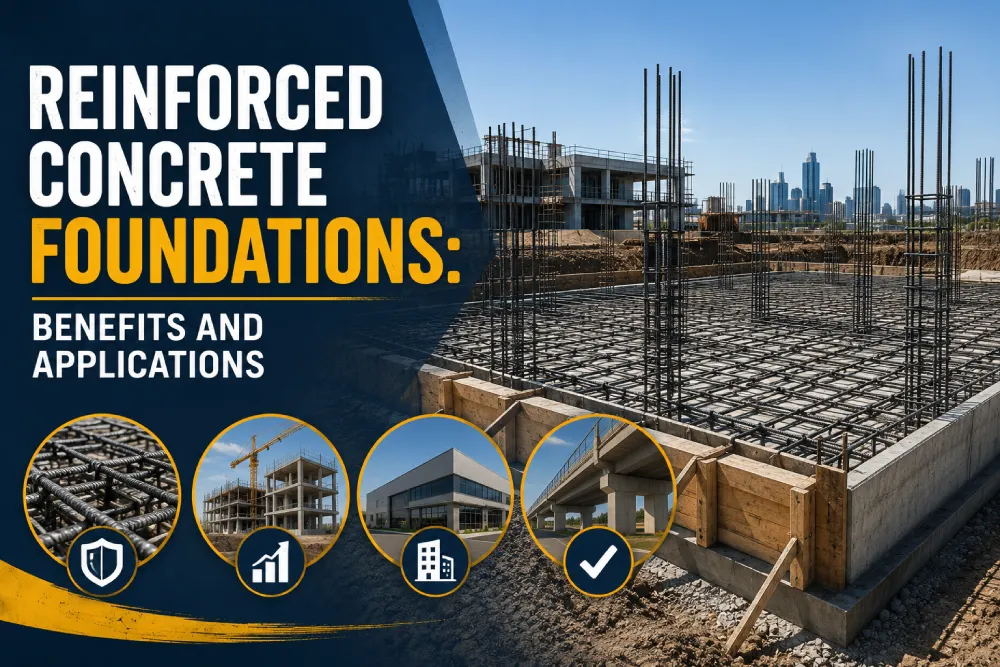
A reinforced concrete foundation combines poured concrete with embedded steel reinforcement—typically rebar or welded wire mesh—to improve tensile strength and resistance to cracking. While concrete is incredibly strong under compression, it is weaker when subjected to tension and bending forces. Steel reinforcement compensates for this limitation and transforms standard concrete into high-performance structural concrete.
How Reinforcement Works
Concrete naturally handles heavy weight pressing downward. However, shifting soil, temperature swings, heavy equipment, and building loads create tension and flexural stresses. This is where reinforcement becomes essential.
Steel bars embedded in concrete:
- Absorb tensile stress
- Limit crack width and spread
- Improve load distribution
- Increase overall foundation strength
- Enhance resistance to soil movement
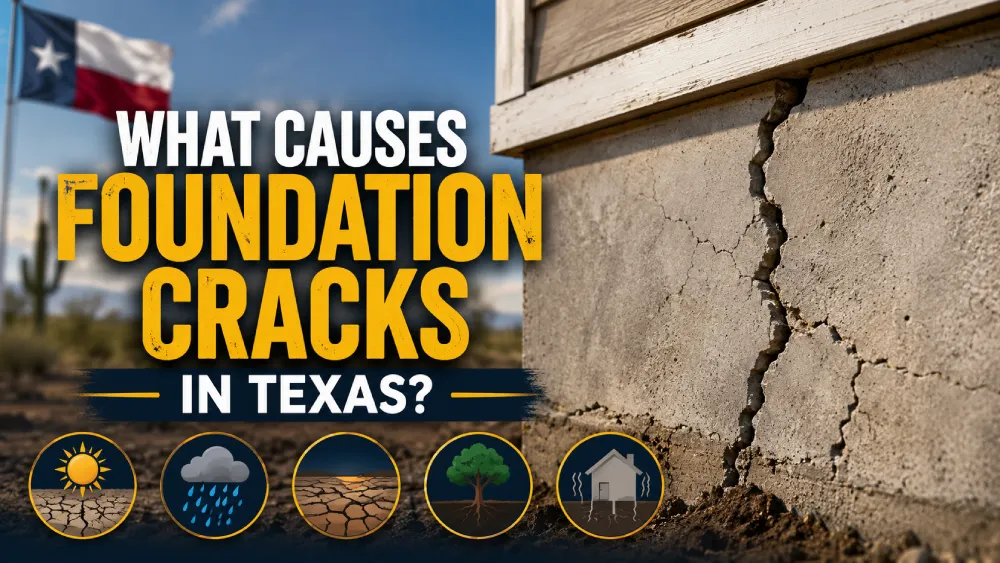
In West Texas, where expansive clay soils expand when wet and contract during droughts, reinforced systems help minimize movement-related cracking.
Common Types of Reinforced Concrete Foundations
Different projects call for different foundation styles. Reinforced concrete can be used in:
- Slab-on-grade foundations
- T-shaped foundations
- Mat or raft foundations
- Pier and beam systems with reinforced footings
- Commercial and industrial spread footings
Each system is engineered based on soil conditions, structural loads, and intended use of the building.
Benefits of a Reinforced Concrete Foundation
Choosing a reinforced concrete foundation offers measurable advantages for residential, commercial, and industrial construction projects across Odessa, Midland, and the Permian Basin region.
Superior Foundation Strength
The primary benefit is improved foundation strength. Reinforced systems distribute loads more effectively, which reduces stress concentrations and structural failure risks. This is especially important for:
- Two-story homes
- Retail buildings
- Warehouses
- Industrial shops
- Equipment pads
- Oilfield service facilities
A structurally reinforced system helps your foundation withstand heavy vertical and lateral loads without compromising stability.
Crack Control and Durability
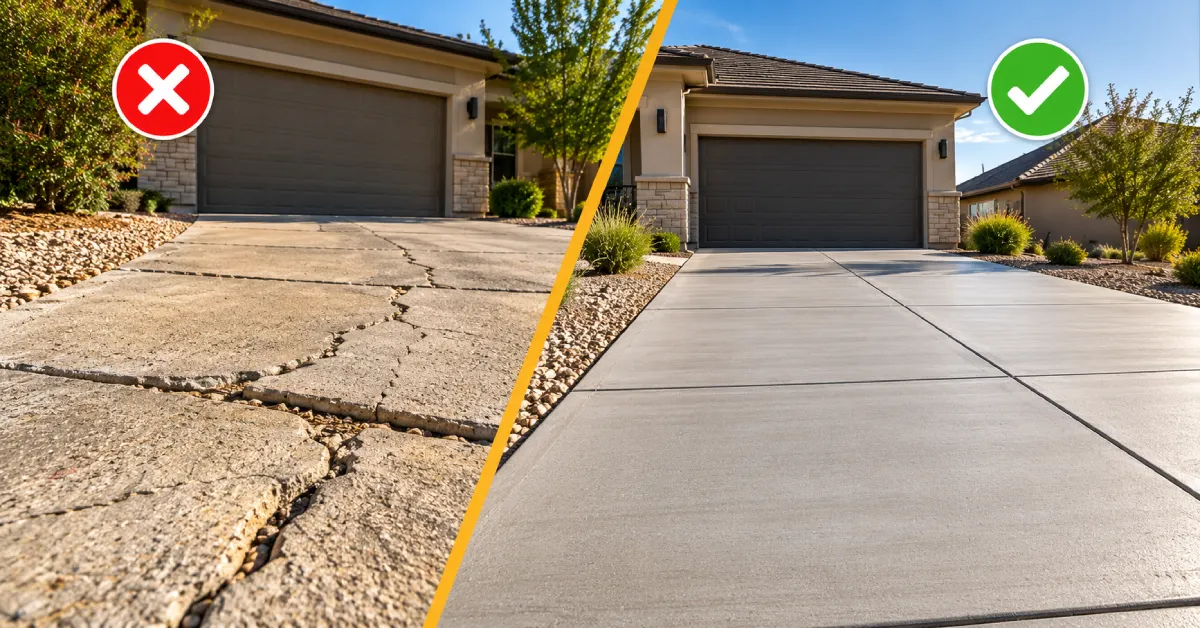
All concrete develops hairline cracks over time. However, steel reinforcement controls how cracks form and limits their severity. This reduces the risk of:
- Slab heaving
- Uneven settling
- Water intrusion
- Premature surface deterioration
In West Texas, where heat cycles are intense and seasonal rainfall can be unpredictable, durability is a major concern. Reinforced concrete offers long-term resistance to environmental stress.
Resistance to Soil Movement
Permian Basin soils often contain clay that expands and contracts based on moisture levels. A non-reinforced slab is far more susceptible to shifting and cracking under these conditions.
Reinforced concrete:
- Bridges minor soil voids
- Minimizes differential settlement
- Improves performance on expansive soils
This makes it a preferred choice for both residential neighborhoods and industrial lots throughout the region.
Long-Term Cost Effectiveness
Although reinforced concrete may slightly increase upfront material costs, it typically reduces long-term repair and maintenance expenses. Fewer structural issues mean lower:
- Foundation repair costs
- Flooring damage repairs
- Structural remediation expenses
For property owners and developers, durability directly impacts return on investment.
Applications of Reinforced Concrete Foundations
Reinforced systems are versatile and adaptable for a wide range of building types.
Residential Foundations
Homeowners in Odessa and Midland frequently choose reinforced slabs for new construction. Reinforcement provides added security against cracking and settlement, particularly in subdivisions built on previously undeveloped land.
Common residential applications include:
- Single-family homes
- Multi-family housing
- Garages and workshops
- Outdoor kitchens and patios
A properly designed reinforced concrete foundation helps protect interior finishes, tile flooring, and structural framing from damage caused by foundation movement.
Commercial Foundation Systems
A commercial foundation must handle heavier and more complex loads than residential slabs. Retail buildings, office spaces, and mixed-use properties require structural concrete designed for:
- Increased foot traffic
- Equipment loads
- Larger building footprints
- Parking area transitions
Reinforcement ensures long-term performance under higher stress conditions while maintaining structural integrity.
Industrial and Oilfield Facilities
Industrial projects across the Permian Basin demand specialized structural engineering. Equipment pads, fabrication shops, and oilfield support facilities often require high-load bearing capacity.
Reinforced concrete foundations are ideal for:
- Machine foundations
- Pipe rack footings
- Storage facilities
- Heavy-duty warehouse floors
Steel reinforcement allows slabs to withstand vibration, impact, and concentrated loads without cracking excessively.
The Role of Steel Reinforcement in Structural Concrete
Understanding the types of steel reinforcement used in foundation construction can help property owners better evaluate project estimates and specifications.
Rebar (Reinforcing Bar)
Rebar is the most common reinforcement type. Typically made of carbon steel, it features ridges that improve bonding with concrete.
Rebar grids are strategically placed within the slab or footings to:
- Control cracking
- Strengthen high-stress areas
- Support load-bearing walls
The size and spacing of rebar are determined by engineering requirements.
Welded Wire Mesh
Wire mesh is often used in slabs to assist with crack control. It is especially common in residential applications and light commercial floors.
While mesh improves surface integrity, it does not replace engineered rebar systems where high tensile strength is required.
Post-Tension Reinforcement (When Applicable)
In some cases, post-tension cables may be used for added performance. These systems apply compression to the slab after curing, improving resistance to cracking and soil movement.
Post-tension foundations are sometimes selected for challenging soil conditions common in parts of Midland and Odessa.
Reinforced Concrete vs. Plain Concrete: A Comparison
| Feature | Plain Concrete | Reinforced Concrete Foundation |
|---|---|---|
| Tensile Strength | Low | High |
| Crack Resistance | Limited | Improved crack control |
| Load Capacity | Moderate | High |
| Soil Movement Resistance | Lower | Better performance |
| Long-Term Durability | Moderate | Excellent |
For most structural projects in West Texas, reinforced systems provide safer and more reliable performance.
What to Consider Before Installing a Reinforced Concrete Foundation
Careful planning ensures your foundation performs as intended.
1. Soil Testing
Soil composition directly impacts foundation design. Geotechnical evaluations determine:
- Bearing capacity
- Expansive properties
- Drainage conditions
This information guides reinforcement placement and slab thickness.
2. Engineering Requirements
Commercial and industrial projects often require structural engineering drawings. These specifications define:
- Rebar size and spacing
- Slab thickness
- Footing dimensions
- Load-bearing capacity
Proper engineering protects both the property owner and contractor by ensuring compliance with building codes.
3. Drainage Planning
Water management is essential for preservation of foundation strength. Grading, perimeter drainage, and moisture control reduce soil expansion risk.
4. Contractor Experience
Reinforcement must be properly placed and supported before pouring concrete. Mistakes during installation can compromise performance. An experienced contractor ensures:
- Accurate rebar placement
- Proper concrete mix design
- Correct curing procedures
In regions like the Permian Basin, experience with local soil conditions is especially valuable.
Maintenance and Longevity
A reinforced concrete foundation is designed for decades of service, but maintenance still matters.
Property owners should:
- Monitor for unusual cracking
- Maintain proper drainage around the structure
- Address plumbing leaks promptly
- Avoid soil oversaturation near the slab
Routine inspections can identify concerns early before small issues turn into costly repairs.
Frequently Asked Questions (FAQ)
How long does a reinforced concrete foundation last?
When properly installed and maintained, a reinforced concrete foundation can last 50 years or more. Longevity depends on soil conditions, drainage, load demands, and construction quality.
Is reinforced concrete necessary for residential homes?
In many areas of West Texas, reinforcement is strongly recommended due to expansive soils. It improves crack control and overall structural reliability compared to plain concrete.
Does reinforcement prevent all cracks?
No foundation is completely crack-free. However, steel reinforcement controls crack width and distribution, preventing minor cracks from becoming structural problems.
Is reinforced concrete more expensive?
Initial material costs may be slightly higher, but reinforced systems often save money over time by reducing repair needs and increasing durability.
What type of buildings require a commercial foundation?
Retail stores, offices, warehouses, apartment complexes, and industrial facilities require a commercial foundation engineered for larger loads and structural demands.
Get a Free Concrete Project Estimate
If you are planning a residential, commercial, or industrial construction project, choosing the right foundation system is one of the most important decisions you will make. A properly designed reinforced concrete foundation provides long-term durability, improved foundation strength, and reliable structural performance in the demanding conditions of West Texas.
Permian Basin Concrete provides professional residential, commercial, and industrial concrete services throughout Odessa, Midland, and the surrounding Permian Basin region. Our team understands local soil conditions and builds high-performance structural concrete foundations designed for long-term reliability.
To discuss your project or request a free consultation and estimate, contact Permian Basin Concrete today at info@permianbasinconcrete.com or visit https://permianbasinconcrete.com. We are ready to help you build on a solid foundation.