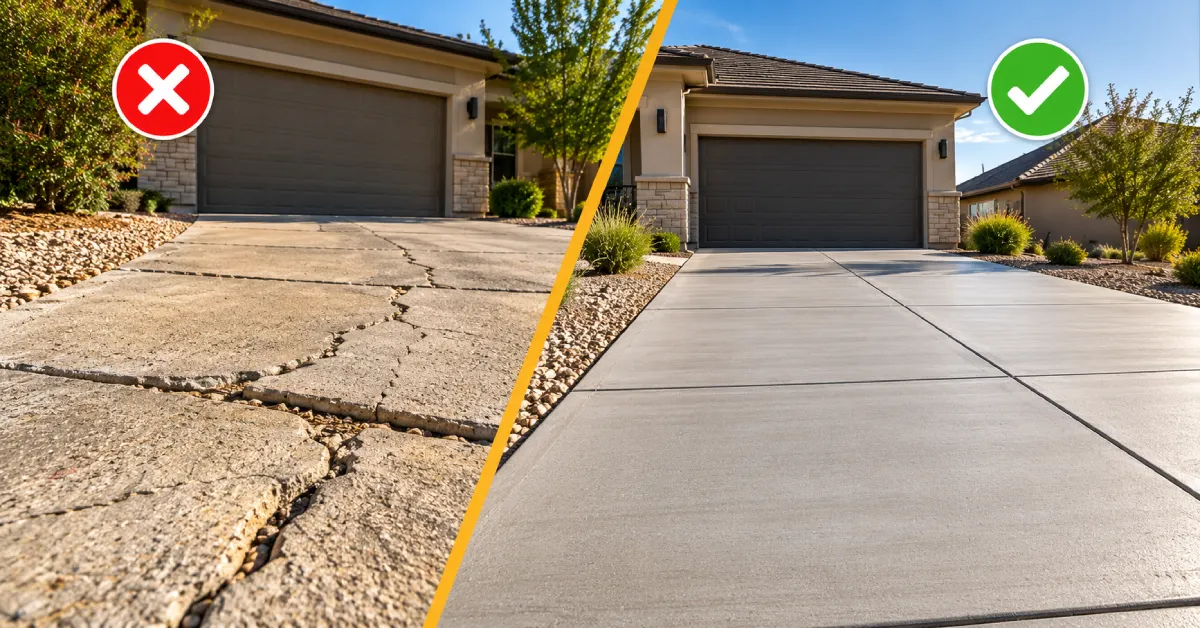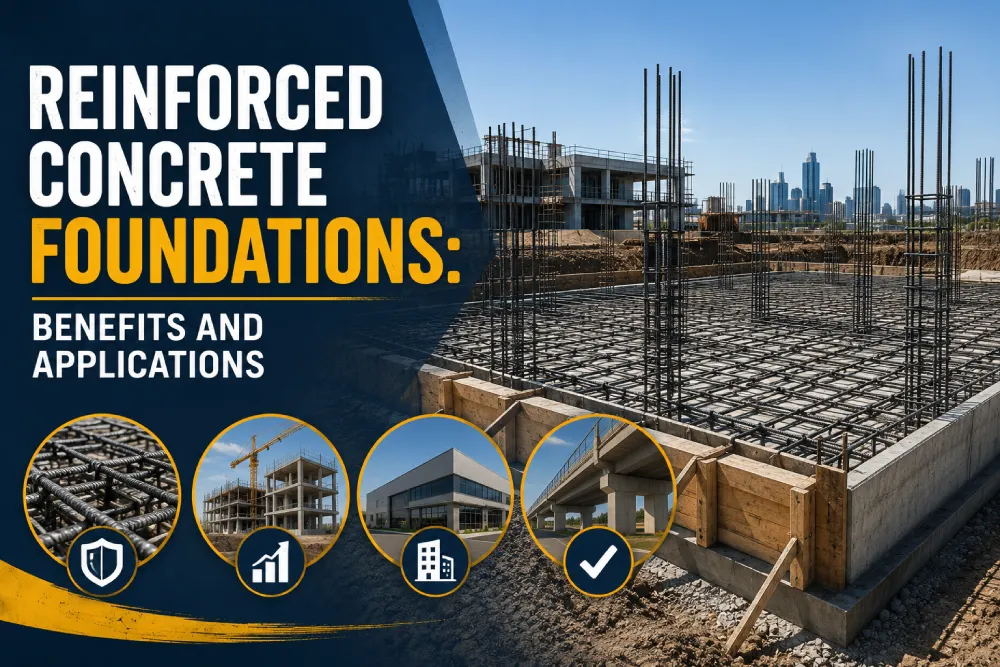
A properly built shop concrete slab is the foundation of any successful shop or workshop project. Whether you are building a personal workshop on your property in Odessa, a commercial service bay in Midland, or an industrial facility elsewhere in the Permian Basin, your slab directly affects structural performance, durability, and long-term maintenance costs.
Concrete slabs for shops and workshops must handle heavy vehicles, equipment, storage loads, and in West Texas, expansive soils and dramatic temperature swings. This guide explains what property owners, developers, and contractors should know before starting a project, from site preparation and reinforcement to thickness requirements and local soil conditions.
Why a Shop Concrete Slab Matters More Than You Think
A shop or workshop places different demands on a slab than a typical residential patio or sidewalk. In many cases, it must support trucks, tractors, lifts, oilfield equipment, or machinery that produces vibration and point loads.
A poorly designed slab can lead to cracking, slope issues, moisture intrusion, and even structural damage to the building above. Repairs can be disruptive and expensive, especially for commercial or industrial properties.
When installed correctly, a reinforced slab does the following:
- Distributes heavy loads evenly to the subgrade
- Resists cracking caused by soil movement
- Provides a level surface for equipment and finishes
- Supports long-term durability with minimal maintenance
In the Permian Basin region, proper slab design is even more critical due to expansive clay soils and dry, shifting ground conditions.
Understanding the Basics of a Workshop Foundation
A workshop foundation is more than just poured concrete. It is a complete system that includes excavation, grading, base preparation, reinforcement, and curing. Each step affects the performance of the final slab.
Subgrade Preparation in West Texas
The native soils in Odessa, Midland, and surrounding parts of West Texas are often expansive clays. These soils expand when wet and shrink when dry, creating ground movement that can stress a slab.
Proper subgrade preparation typically involves:
- Clearing organic material
- Over-excavating unsuitable soils when necessary
- Compacting subgrade to proper density
- Installing a compacted base layer such as caliche or crushed stone
Without proper compaction, even a thick slab may crack or settle unevenly.
Moisture Barriers and Vapor Protection
For enclosed shops and workshops, especially climate-controlled buildings, moisture migration can damage flooring, stored goods, and equipment. Installing a vapor barrier beneath the slab helps reduce moisture intrusion and protects your investment long-term.
Shop Concrete Slab Thickness and Reinforcement Requirements
The appropriate slab thickness depends on how the space will be used. Not all shops require the same specifications, and underbuilding can lead to premature failure.
Typical Slab Thickness by Use
| Application | Typical Thickness |
|---|---|
| Light-duty residential workshop | 4 inches |
| Residential shop with vehicles | 5–6 inches |
| Commercial workshop or service bay | 6 inches or more |
| Industrial or heavy equipment usage | 6–8+ inches |
These are general guidelines. A qualified contractor will evaluate load requirements, soil conditions, and structural plans before finalizing specifications.
Reinforced Slab Options
A reinforced slab uses steel reinforcement to increase strength and crack resistance. Reinforcement options may include:
- Rebar grid systems
- Welded wire mesh
- Fiber reinforcement within the concrete mix
- Thickened edges or grade beams
For heavy-duty shop concrete slab installations in the Permian Basin, rebar reinforcement with properly spaced control joints is often recommended. Reinforcement does not prevent all cracks, but it helps control their size and distribution.
Key Design Considerations for a Building Slab
A shop or workshop is often a long-term investment, and early design decisions can significantly impact usability and durability.
Control Joints and Expansion Joints
Concrete naturally shrinks as it cures. Without control joints, random cracking may occur. Strategically placed joints:
- Control the location of cracks
- Improve appearance
- Make long-term maintenance easier
Expansion joints are used where the slab meets other structures, allowing for thermal movement without damage.
Drainage and Slope
Workshops frequently need proper drainage, especially when vehicles or equipment are washed inside. A slight slope toward a doorway or floor drain can prevent standing water.
In West Texas, where strong storms can produce sudden runoff, ensuring positive drainage away from the building slab is just as important as interior slope design.
Thickened Edges and Perimeter Support
Many shop concrete slab installations include thickened edges around the perimeter. This provides:
- Added load-bearing capacity
- Structural support for walls
- Increased resistance to soil movement
For larger structures, grade beams may be incorporated into the foundation design.
The Installation Process: Step-by-Step Construction Guide
Understanding the general process helps property owners ask informed questions and plan more effectively.
1. Site Evaluation and Planning
Before construction begins, the contractor evaluates:
- Soil type
- Drainage patterns
- Access for equipment
- Building design requirements
In some cases, a geotechnical soil test may be recommended, especially for larger commercial or industrial projects.
2. Excavation and Base Preparation
The area is excavated to proper depth, and a base layer is installed and compacted. Proper compaction is critical in the Permian Basin, where shifting soils are common.
3. Formwork and Reinforcement Installation
Forms define the slab’s shape and thickness. Reinforcement such as rebar is placed according to engineered design.
Attention to reinforcement placement affects how well the slab performs under load.
4. Concrete Placement
Concrete is poured, leveled, and finished. Consistency in the mix, timing, and weather conditions all influence strength development.
5. Finishing and Surface Treatment
Depending on your needs, finishes may include:
- Smooth trowel finish
- Broom finish for traction
- Sealed surface for dust control
The right finish depends on whether the slab will support vehicles, storage racks, or specialized equipment.
6. Curing and Protection
Proper curing is essential for strength and durability. In hot West Texas conditions, concrete can cure too quickly if not properly managed.
Curing methods may include:
- Water curing
- Curing compounds
- Covering with protective materials
Rushing this process can compromise slab performance.
Common Problems with Shop Concrete Slabs (and How to Avoid Them)
Even well-built building slab projects can develop issues if key factors are overlooked.
Excessive Cracking
Some cracking is normal, but wide or uneven cracks often indicate poor compaction or inadequate reinforcement.
Prevention strategies include:
- Proper base preparation
- Correct joint placement
- Adequate slab thickness
Uneven Settlement
Settlement occurs when soil shifts or was not compacted properly. This can create trip hazards and equipment alignment problems. Addressing subgrade preparation from the start is far more cost-effective than slab lifting or replacement later.
Surface Dusting or Scaling
Improper finishing or curing can cause the surface to weaken. In workshop environments, this can create dust that affects tools and equipment.
Working with experienced concrete professionals familiar with Midland and Odessa climate conditions reduces these risks.
Residential vs. Commercial vs. Industrial Shop Slabs
Not all slab projects are the same. The design should reflect your property’s function and long-term goals.
Residential Shop Concrete Slab
A homeowner building a detached workshop for hobbies or vehicle storage may prioritize:
- Moderate slab thickness
- Smooth, easy-to-clean surface
- Basic reinforcement
Even so, local soil conditions in the Permian Basin still require careful preparation.
Commercial Workshop Foundation
Commercial buildings often support:
- Customer traffic
- Service lifts
- Inventory storage
These projects typically require thicker slabs, heavier reinforcement, and strict adherence to building codes.
Industrial and Oilfield Applications
Industrial facilities in West Texas may experience:
- Heavy machinery vibration
- Large concentrated loads
- Continuous equipment use
For these projects, engineered reinforced slab systems are typically necessary. Load calculations and structural coordination are especially important.
How to Choose the Right Concrete Contractor
Selecting the right contractor can be the difference between a durable, high-performing slab and costly repairs down the line.
When evaluating contractors, consider:
- Experience with shop and workshop foundation projects
- Knowledge of Permian Basin soil conditions
- Proper licensing and insurance
- Clear, written project estimates
- References from similar projects
Ask detailed questions about reinforcement methods, slab thickness, base preparation, and curing practices. A reputable contractor will explain their process clearly and justify their recommendations.
Frequently Asked Questions
How thick should a shop concrete slab be?
Thickness depends on usage. Light-duty residential workshops may require 4 inches, while commercial or heavy-duty applications often require 6 inches or more. The intended load and soil conditions determine the final specification.
Do I need a reinforced slab for a home workshop?
In most cases, yes. Even residential shop concrete slab installations benefit from rebar or mesh reinforcement, especially in areas like Midland and Odessa where soil movement is common.
How long before I can build on a new slab?
Concrete reaches initial strength within a few days, but full curing typically takes about 28 days. Light framing may begin sooner, depending on conditions and design requirements.
Can I pour a shop slab over existing concrete?
In most cases, pouring over old concrete is not recommended unless structural evaluation confirms it can support the load. Overlaying may lead to cracking or bonding issues.
What maintenance does a building slab require?
Maintenance typically includes keeping joints sealed, addressing drainage issues, cleaning surfaces, and sealing when appropriate. Regular inspection helps catch minor issues before they grow.
Get a Free Concrete Project Estimate
If you are planning a shop or workshop project, working with experienced professionals ensures your shop concrete slab is built to meet long-term performance needs.
Permian Basin Concrete provides residential, commercial, and industrial concrete services throughout Odessa, Midland, and the surrounding Permian Basin region. Whether you need a reinforced slab for a personal workshop or a heavy-duty building slab for an industrial facility, our team focuses on durability, proper preparation, and quality workmanship.
To schedule a free project consultation and estimate, contact Permian Basin Concrete today:
Email: info@permianbasinconcrete.com
Website: https://permianbasinconcrete.com
A well-built slab is the foundation of your project’s success. Reach out today to discuss your plans and get expert guidance tailored to your property in West Texas.