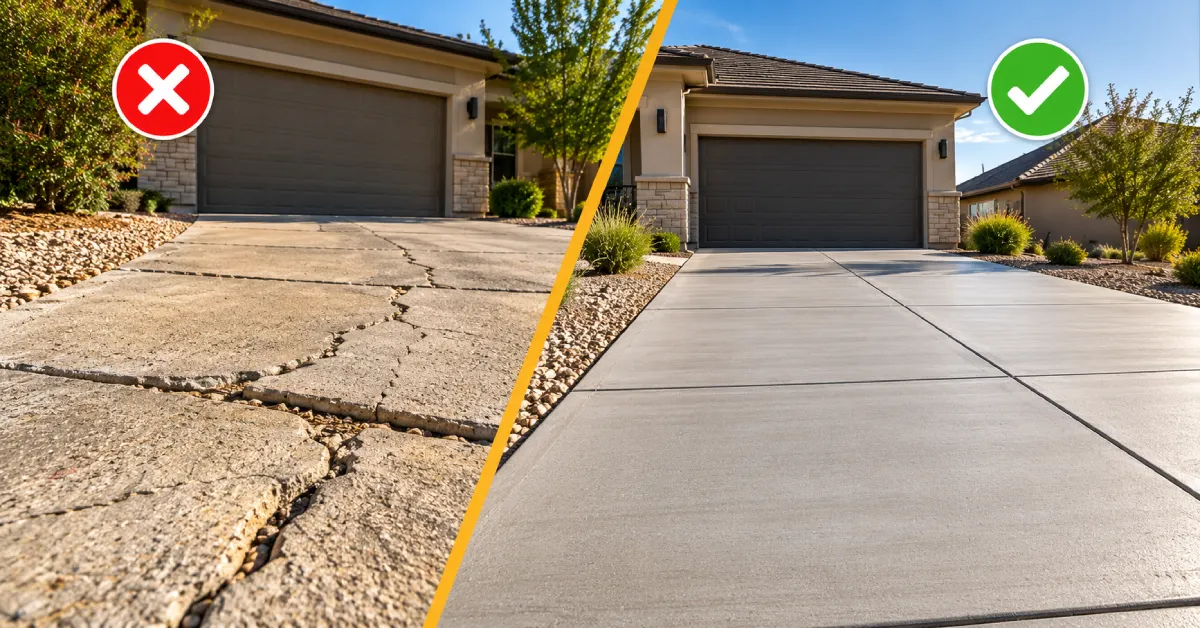
A well-built driveway is one of the most valuable and visible features of your property. However, without proper concrete driveway maintenance, even the strongest surface can crack, stain, or deteriorate over time. In West Texas, where extreme heat, shifting soils, and heavy vehicles are common, routine upkeep is essential for protecting your investment.
Whether you are a homeowner in Odessa, a property manager in Midland, or a commercial facility owner in the Permian Basin, understanding how to care for your driveway can significantly extend its lifespan. This guide covers practical, real-world steps you can take to improve driveway longevity, reduce repair costs, and maintain curb appeal year-round.
Why Concrete Driveway Maintenance Matters in West Texas
Concrete is known for its strength and durability, but it is not maintenance-free. The climate in West Texas presents unique challenges that make proactive concrete care especially important. Intense UV exposure, expansive clay soils, and temperature swings between hot days and cooler nights can accelerate wear and surface deterioration.
When small issues such as hairline cracks or surface scaling are ignored, they often turn into more expensive structural repairs. Regular inspection, driveway cleaning, and driveway sealing can help property owners avoid premature replacement and protect their investment for decades.
In growing communities like Odessa and Midland, maintaining your driveway also supports property value. A well-maintained concrete surface improves curb appeal, enhances safety, and reflects positively on both residential and commercial properties.
Understanding What Damages Concrete Driveways
Before creating a maintenance plan, it is important to understand what causes deterioration in the first place.
1. Extreme Heat and UV Exposure
West Texas summers regularly reach triple-digit temperatures. Prolonged UV exposure dries out concrete and can contribute to surface discoloration and microcracking. Over time, this weakens the surface layer and makes it more susceptible to scaling.
2. Soil Movement in the Permian Basin
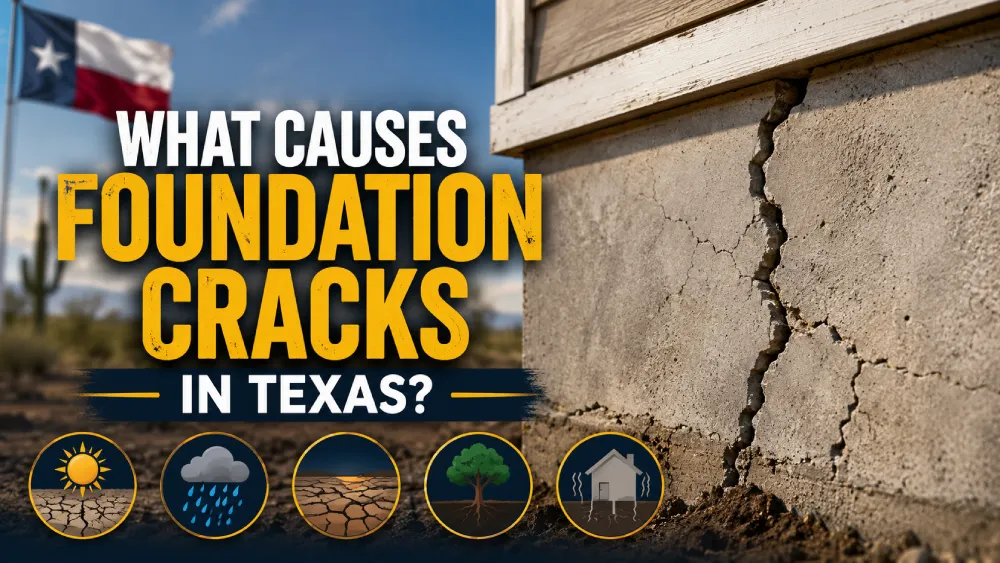
Much of the Permian Basin sits on expansive clay soil. These soils swell when wet and shrink when dry, creating movement beneath the slab. This shifting can lead to:
- Uneven settling
- Cracking
- Edge lifting
- Joint separation
Professional installation helps mitigate these risks, but ongoing maintenance plays a major role in preserving driveway stability.
3. Heavy Vehicle Loads
Many residential properties in Odessa and Midland accommodate:
- Pickup trucks
- RVs
- Oilfield service vehicles
- Trailers
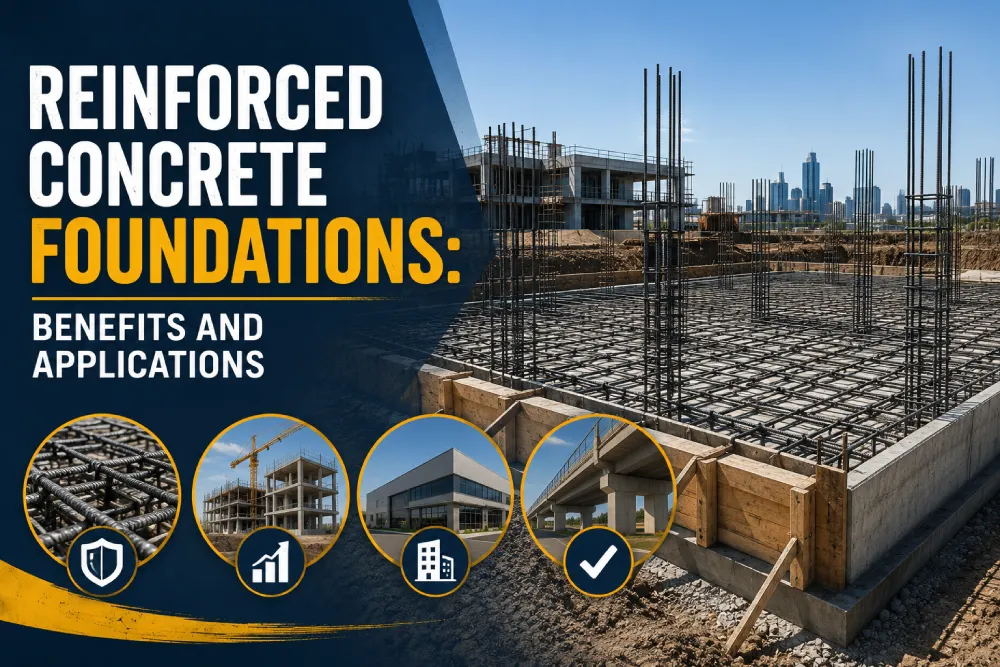
Repeated heavy loads can strain concrete surfaces, especially near edges and control joints. Reinforced slabs and routine inspections can prevent structural distress.
4. Oil and Chemical Stains
Vehicle leaks, hydraulic fluids, and other chemicals can penetrate porous concrete. Without proper driveway cleaning, these substances break down the binder in the surface and cause staining or degradation.
Understanding these risks helps property owners take the right preventive steps for long-term driveway longevity.
Routine Concrete Driveway Maintenance Checklist
Consistent maintenance does not require special equipment or daily attention. A simple seasonal checklist can dramatically reduce long-term repair costs.
Monthly Visual Inspection
Walk your driveway and look for:
- New cracks
- Widening control joints
- Surface discoloration
- Standing water after rainfall
- Edge chipping
Early detection allows for simple repairs before issues worsen.
Quarterly Driveway Cleaning
Keeping your driveway clean prevents stains and debris buildup. Dirt and organic materials trap moisture against the surface, which contributes to deterioration.
Basic cleaning steps:
- Sweep away loose dirt and debris.
- Rinse with a garden hose or low-pressure washer.
- Use a mild detergent for grease spots.
- Rinse thoroughly to remove residue.
Avoid excessive pressure washing, as high PSI can erode the surface over time.
Annual Professional Inspection
An experienced concrete contractor can identify subtle issues such as minor settlement or joint failure. For large properties or commercial facilities in the Permian Basin, annual inspections are especially valuable.
Driveway Sealing: When and Why It Matters
One of the most common questions property owners ask is whether driveway sealing is necessary for concrete surfaces. While not all driveways require sealing every year, applying a protective sealer at appropriate intervals can improve performance and appearance.
Benefits of Driveway Sealing
- Protects against moisture intrusion
- Reduces oil and chemical absorption
- Minimizes surface cracking
- Enhances color consistency
- Improves overall driveway longevity
In West Texas, sealing also helps defend against UV damage and rapid moisture evaporation.
How Often Should You Seal a Concrete Driveway?
The timing depends on usage and exposure. In general:
- Residential driveways: Every 2–3 years
- High-traffic or commercial areas: Every 1–2 years
- Decorative or stamped concrete: As recommended by contractor
Applying sealer too frequently can create buildup, so it is best to consult a professional who understands local soil and climate conditions in Odessa and Midland.
Types of Concrete Sealers
| Sealer Type | Best For | Benefits |
|---|---|---|
| Penetrating Sealer | Standard residential driveways | Invisible protection, moisture resistance |
| Acrylic Sealer | Decorative surfaces | Enhances color, adds light sheen |
| Epoxy/Polyurethane | Commercial or industrial use | High chemical resistance |
Selecting the appropriate product is critical for achieving the best concrete care results.
Crack Prevention and Repair Strategies
Cracks are one of the most common concerns for property owners. While some minor cracking is normal, excessive or widening cracks require attention.
Types of Cracks
- Hairline cracks: Often cosmetic and common during curing.
- Shrinkage cracks: Occur as concrete dries and contracts.
- Settlement cracks: Caused by soil movement.
- Structural cracks: Wider cracks that may indicate subgrade issues.
Small cracks should be sealed promptly to prevent water from penetrating below the slab. Moisture infiltration accelerates erosion and may worsen settlement.
When to Call a Professional
You should contact a concrete contractor if:
- Cracks are wider than ¼ inch.
- Multiple cracks form a pattern.
- Sections appear uneven or sunken.
- Water consistently pools in low spots.
Addressing these issues early is one of the most important parts of responsible concrete driveway maintenance.
Seasonal Concrete Care Tips for West Texas
Each season brings different challenges for concrete surfaces in the Permian Basin.
Summer
- Rinse dust and debris frequently.
- Avoid parking extremely heavy equipment in the same spot repeatedly.
- Schedule sealing work during moderate temperature windows.
Fall
- Remove leaves promptly to prevent staining.
- Inspect expansion joints before cooler weather.
Winter
While winters in Odessa and Midland are typically mild, occasional freezes can occur. Avoid using de-icing salts, as they can damage concrete surfaces. Instead, use sand for traction if necessary.
Spring
- Check for new cracks after winter temperature changes.
- Perform thorough driveway cleaning.
- Schedule minor repairs before peak summer heat.
A proactive seasonal approach helps preserve driveway longevity year after year.
Maintenance for Commercial and Industrial Concrete Driveways
Commercial properties and industrial facilities have additional considerations. Heavy delivery trucks, oilfield equipment, and frequent traffic demand stricter maintenance routines.
Recommended Best Practices
- Conduct biannual structural inspections.
- Seal high-traffic zones more frequently.
- Repair cracks immediately to avoid liability risks.
- Ensure proper drainage to prevent foundation impact.
In industrial environments, chemical exposure can degrade concrete more rapidly. Using appropriate sealers and maintaining proper joint integrity significantly improves long-term performance.
Well-maintained concrete surfaces also enhance safety for employees, customers, and vendors.
Signs It May Be Time for Replacement
Despite consistent concrete care, there comes a point when replacement is more cost-effective than ongoing patch repairs.
Indicators include:
- Widespread structural cracking
- Major settlement or sinking
- Repeated repair failures
- Surface spalling over large areas
- Drainage problems that cannot be corrected
A professional evaluation can determine whether resurfacing, partial replacement, or full removal is the best solution.
For property owners in West Texas, working with a contractor who understands local soil conditions and heavy load requirements is critical to long-term success.
Frequently Asked Questions (FAQ)
How long should a concrete driveway last?
With proper concrete driveway maintenance, a well-installed driveway can last 25–40 years or more. Climate, installation quality, and usage all impact longevity.
Is pressure washing safe for driveway cleaning?
Yes, but it should be done carefully. Excessive pressure can damage the surface. Use moderate PSI settings and avoid holding the wand too close to the concrete.
Can I seal my driveway myself?
DIY sealing is possible, but improper preparation or product selection can reduce effectiveness. Professional driveway sealing ensures proper surface preparation and application.
What causes my driveway to crack so soon?
Common causes include poor subgrade preparation, soil movement, heavy loads, or rapid moisture loss during curing. Environmental conditions in the Permian Basin can also contribute.
How do I improve driveway longevity?
Maintain proper drainage, perform regular driveway cleaning, seal at appropriate intervals, and repair cracks promptly. Consistent attention is the key to extended performance.
Get a Free Concrete Project Estimate
If you are concerned about cracks, drainage issues, or the overall condition of your driveway, Permian Basin Concrete is here to help. We provide residential, commercial, and industrial concrete services throughout Odessa, Midland, and the surrounding Permian Basin region.
Whether you need driveway sealing, repairs, a new installation, or a full replacement, our team understands the soil conditions and climate challenges unique to West Texas. We focus on durable construction practices and practical maintenance solutions that improve long-term performance.
To schedule a free project consultation and estimate, contact Permian Basin Concrete today at info@permianbasinconcrete.com or visit https://permianbasinconcrete.com. Let us help you protect your investment with expert concrete driveway maintenance and reliable service you can trust.