Concrete patio installation is one of the most valuable upgrades a homeowner can make to their property. In West Texas, where outdoor living is part of daily life for much of the year, a well-built patio extends usable square footage and increases both comfort and resale value. Whether you are planning a shaded backyard retreat, an entertainment space for family gatherings, or a durable surface around a pool or outdoor kitchen, the quality of the patio construction makes all the difference.
At Permian Basin Concrete, we work with homeowners, property managers, and business owners throughout Odessa, Midland, and the broader Permian Basin region. This guide walks you through everything you need to know before starting a residential concrete patio project so you can make informed, confident decisions.
Why Choose Concrete for Your Patio?
Concrete remains the most popular material for patio construction in West Texas, and for good reason. It offers strength, versatility, and long-term durability in a climate that can be both extremely hot and occasionally unpredictable with sudden storms.
Unlike wood decks that require frequent sealing or pavers that may shift over time, properly installed residential concrete provides:
- Long-lasting durability
- Minimal maintenance
- Custom design flexibility
- Excellent cost-to-value ratio
- Resistance to pests, rot, and fire
In areas like Midland and Odessa, where expansive soil and temperature fluctuations are familiar challenges, reinforced concrete provides a stable solution when installed correctly by an experienced patio contractor.
Planning Your Concrete Patio Installation
Before breaking ground, thoughtful planning sets the foundation for a successful patio project. Rushing this stage often leads to design regrets or unexpected costs later.
Determining Size and Layout
Start by considering how you will use your outdoor living space. A simple seating area requires less square footage than a full entertaining space with a grill station, pergola, and dining table.
Ask yourself:
- How many people will typically use the space?
- Will you add outdoor kitchens, fire pits, or shade structures?
- Do you need space for walkways or pool access?
- How close should the patio be to your home?
Mapping out your layout early allows your patio contractor to recommend proper thickness, reinforcement, and expansion joint placement.
Drainage and Grading in West Texas
Drainage is especially important in the Permian Basin. Even though rainfall in West Texas is limited compared to other regions, intense storms can quickly overwhelm poorly graded surfaces.
Proper patio construction includes:
- Grading away from the home’s foundation
- Installing a compacted sub-base
- Ensuring correct slope for water runoff
- Addressing any existing drainage concerns
Skipping these steps may result in standing water, surface deterioration, or foundation issues over time.
The Concrete Patio Installation Process
Understanding how concrete patio installation works helps homeowners know what to expect. While each project varies depending on soil conditions and design complexity, the general process follows several key steps.
Step 1: Site Preparation
Preparation is critical to long-term performance. This stage includes:
- Excavating the area to the required depth
- Removing soft or unstable soil
- Adding and compacting a gravel base
- Installing form boards to define edges
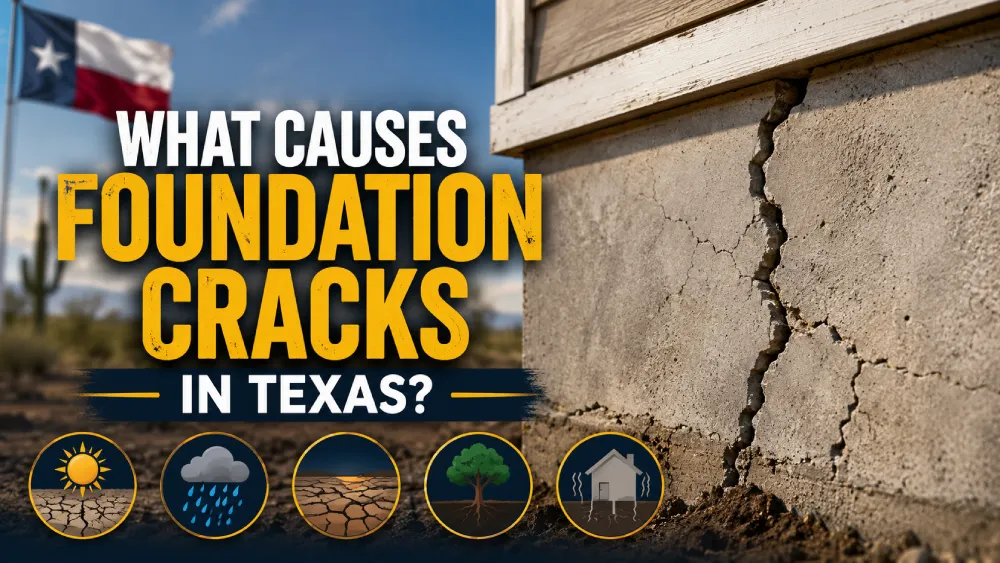
In West Texas, certain clay-heavy soils can expand and contract significantly. A knowledgeable patio contractor will account for these soil conditions to prevent future cracking or shifting.
Step 2: Reinforcement and Expansion Joints
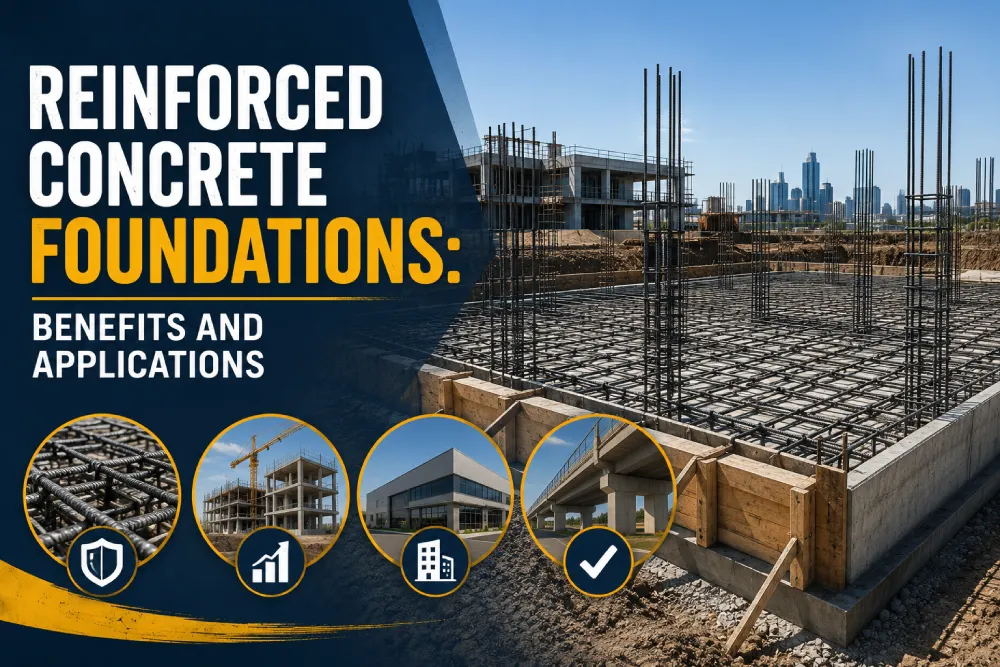
Steel reinforcement strengthens the slab and helps distribute loads. Depending on your patio design, this may include:
- Rebar grid
- Welded wire mesh
- Fiber-reinforced concrete
Expansion joints are then placed strategically to allow controlled movement. Concrete naturally expands and contracts with temperature changes, especially in the Permian Basin’s intense heat. Proper joint placement helps prevent random cracking.
Step 3: Pouring and Finishing
Once preparation is complete, concrete is poured and leveled. Finishing techniques can vary depending on your chosen texture and style.
Common finishes include:
- Broom finish (slip-resistant and classic)
- Stamped concrete (designed to mimic stone, brick, or tile)
- Smooth trowel finish
- Exposed aggregate
A skilled patio contractor ensures an even surface, proper edging, and consistent texture across the entire slab.
Step 4: Curing and Sealing
Curing is one of the most overlooked aspects of patio construction. Concrete does not simply “dry”; it chemically cures over time to gain strength.
Proper curing:
- Increases long-term durability
- Reduces surface cracking
- Improves overall performance
After curing, applying a quality sealer helps protect against stains, moisture intrusion, and UV damage, especially under the strong West Texas sun.
Design Options for Your Outdoor Living Space
Modern residential concrete offers far more design flexibility than many homeowners realize. Concrete patio installation is no longer limited to a plain gray slab.
Decorative Concrete Options
| Finish Type | Best For | Benefits |
|---|---|---|
| Stamped Concrete | Decorative patios and entryways | Mimics stone, brick, tile |
| Colored Concrete | Custom home designs | Integrates with exterior color scheme |
| Exposed Aggregate | Slip-resistant surfaces | Textured and durable |
| Broom Finish | Budget-friendly patios | Practical and clean look |
Stamped and colored concrete are especially popular in upscale neighborhoods in Midland and Odessa where homeowners want a custom outdoor living space that complements their home’s architecture.
Integrating Features
Concrete patios can also incorporate:
- Outdoor kitchens
- Fire pits
- Seating walls
- Pergola footings
- Walkways and connecting paths
Planning these elements during the initial patio construction phase is more efficient than retrofitting them later.
Cost Factors in Concrete Patio Installation
One of the most common questions property owners ask is, “How much will my patio cost?” The answer depends on several variables.
Key Cost Influencers
Concrete patio installation costs vary based on:
- Size and thickness
- Site access and preparation requirements
- Reinforcement type
- Decorative finishes
- Added features such as steps or retaining walls
While a basic broom-finished patio is the most economical option, decorative and structural upgrades can increase the investment. However, these upgrades often add substantial long-term property value.
In the Permian Basin real estate market, quality residential concrete improvements typically offer strong returns, especially in new developments and growing neighborhoods.
Residential vs. Commercial Patio Construction
Although this guide focuses on homeowners, commercial and industrial clients also invest in patio construction for functional reasons.
Residential Concrete Patios
For homeowners, patios are primarily lifestyle upgrades. They create:
- Comfortable outdoor gathering areas
- Safe pool surrounds
- Low-maintenance surfaces
- Enhanced curb appeal
Commercial and Industrial Applications
Businesses and industrial facility owners in West Texas may require concrete patios or outdoor slabs for:
- Employee break areas
- Restaurant seating
- Multi-family developments
- Oilfield housing facilities
Commercial projects often require thicker slabs, additional reinforcement, and compliance with local building requirements.
Common Problems to Avoid
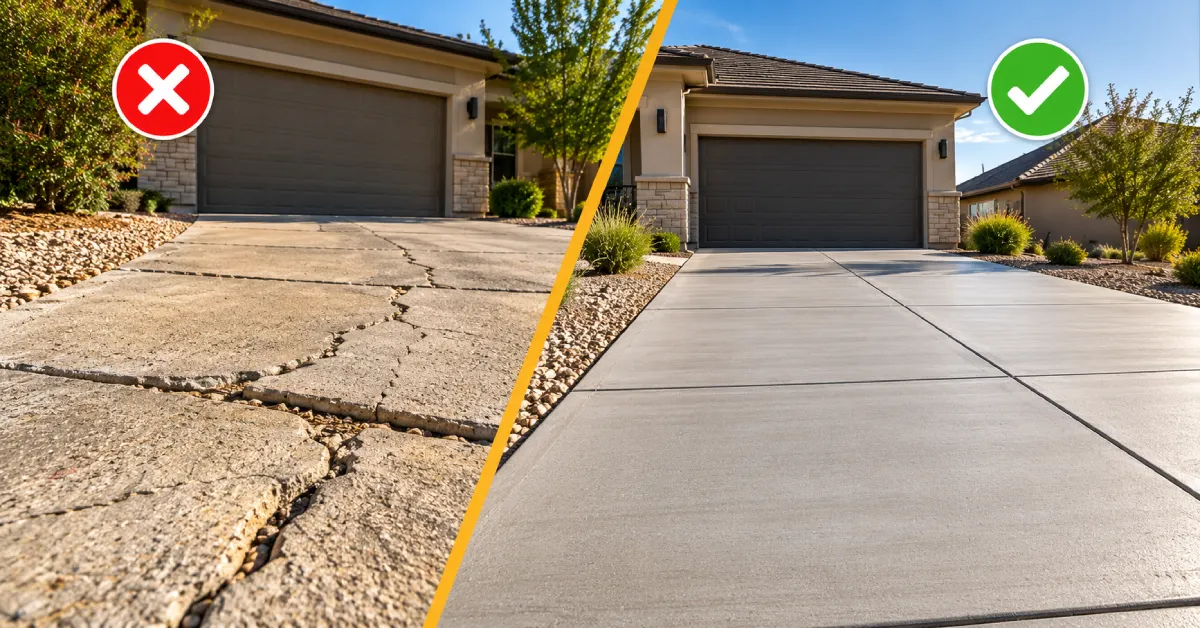
Hiring an experienced patio contractor significantly reduces the risk of costly mistakes. Poor workmanship in concrete patio installation can lead to long-term issues.
Inadequate Base Preparation
Improper sub-base compaction often causes settling and cracking. In regions like Odessa and Midland, where soil movement is common, this step cannot be skipped.
Insufficient Reinforcement
A patio designed without proper reinforcement may crack under heavy loads such as outdoor kitchens or hot tubs. Reinforcement planning should match both soil conditions and usage demands.
Poor Drainage Planning
Flat or improperly sloped patios can trap water against the home’s foundation. This can lead to erosion problems or moisture intrusion over time.
How to Choose the Right Patio Contractor
Not all contractors approach patio construction with the same level of expertise. Choosing a qualified professional protects your investment.
What to Look For
When evaluating a patio contractor, consider:
- Experience with West Texas soil conditions
- Proven residential concrete portfolio
- Clear project timelines
- Detailed written estimates
- Strong local reputation
Contractors familiar with the Permian Basin understand how regional factors such as heat, soil movement, and heavy equipment access can impact a job.
Questions to Ask Before Hiring
- How do you handle soil preparation?
- What type of reinforcement will you use?
- How long will curing take before use?
- Do you offer decorative finish options?
- Is sealing included in the project scope?
Clear communication at the beginning prevents misunderstandings later.
Maintaining Your Concrete Patio
One of the biggest benefits of concrete patio installation is minimal maintenance. However, a few simple steps can preserve appearance and durability.
Basic Maintenance Tips
- Clean periodically with mild detergent and water
- Reseal every few years depending on traffic and weather
- Avoid using harsh de-icing chemicals
- Address small cracks early before they widen
With proper care, a residential concrete patio can last decades in the Permian Basin climate.
Frequently Asked Questions (FAQ)
How long does concrete patio installation take?
Most residential projects take several days, depending on size and complexity. Site preparation and forming typically take one to two days, with pouring and finishing completed in a single day. Curing time before full use may take about a week, although light foot traffic is sometimes allowed earlier.
Will my concrete patio crack?
Concrete can develop minor hairline cracks over time due to natural expansion and contraction. Proper base preparation, reinforcement, and joint placement significantly reduce the likelihood of major cracking. Working with an experienced patio contractor is the best way to minimize risk.
Is stamped concrete durable in West Texas heat?
Yes, when installed and sealed properly, stamped concrete performs well in West Texas conditions. Regular sealing helps protect against UV exposure and surface wear.
Do I need permits for patio construction?
Permit requirements vary depending on location and project scope. In Odessa and Midland, certain structural or attached patio projects may require permits. Always consult with your contractor and local municipality.
How thick should a concrete patio be?
Most residential concrete patios are at least four inches thick. Projects supporting heavy features such as outdoor kitchens or hot tubs may require increased thickness and additional reinforcement.
Get a Free Concrete Project Estimate
If you are considering concrete patio installation in Odessa, Midland, or anywhere in the Permian Basin region, Permian Basin Concrete is ready to help. We provide residential, commercial, and industrial concrete services designed for the unique soil and climate conditions of West Texas.
From backyard outdoor living spaces to large-scale facility projects, our team focuses on proper preparation, structural integrity, and clean, professional finishes. Every project begins with a detailed consultation so you understand your options, timeline, and investment.
Contact Permian Basin Concrete today to schedule your free project consultation and estimate. You can reach us at info@permianbasinconcrete.com or visit https://permianbasinconcrete.com to learn more about our full range of concrete services throughout Odessa, Midland, and the surrounding Permian Basin area. Your next outdoor living space starts with a solid foundation.