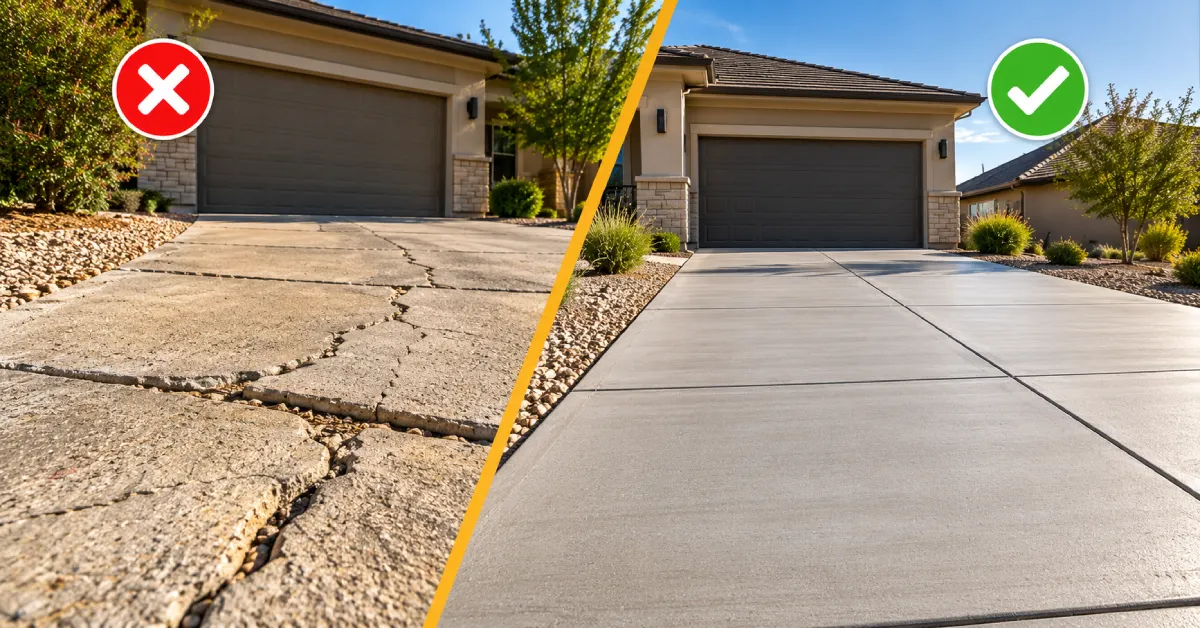
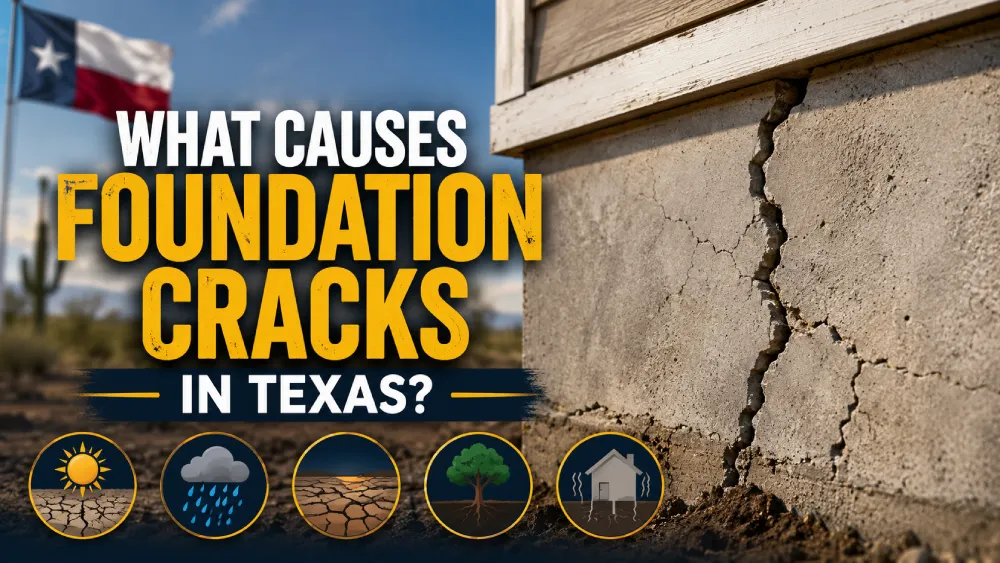
Foundation cracks are a common concern for property owners across West Texas, but not all cracks mean the same thing. In regions like Odessa and Midland, shifting soils, extreme heat, and inconsistent moisture levels make foundations especially vulnerable to movement and stress. Understanding what causes foundation cracks is the first step toward preventing costly foundation damage and determining when professional concrete repair is necessary.
Whether you own a home, manage a commercial property, or oversee an industrial facility in the Permian Basin, recognizing early warning signs can protect your investment and avoid more serious structural cracks down the road. In this guide, we’ll break down what causes foundation cracks in Texas, what they mean, and when you should call a professional.
Why Foundation Cracks Are Common in West Texas
Foundation cracks are not unusual in Texas, especially in areas with expansive clay soils and extreme weather patterns. The soil conditions beneath your foundation play a significant role in how stable your structure remains over time.
In Odessa, Midland, and surrounding communities, foundations are constantly responding to soil movement caused by shrinking and swelling soils. This movement places stress on concrete slabs and footings, leading to visible cracks and, in more serious cases, structural instability.
Expansive Clay Soils
Large areas of the Permian Basin contain clay-rich soils that expand when wet and contract when dry. This cycle creates pressure beneath foundations that can:
- Lift portions of a slab
- Cause uneven settlement
- Create tension that leads to cracking
Over time, repeated cycles of expansion and contraction amplify the risk of foundation damage. Even well-constructed foundations can experience cracking if soil conditions are not properly managed.
Extreme Temperature Swings
West Texas is known for its hot summers, occasional freezes, and rapid weather changes. Concrete naturally expands and contracts with temperature fluctuations. When temperature shifts combine with soil movement, stress on the slab increases.
These stresses often appear as small hairline foundation cracks, but they can grow over time if underlying issues remain unaddressed.
Types of Foundation Cracks and What They Mean
Not all foundation cracks indicate serious structural problems. Identifying the type of crack helps determine whether simple monitoring is sufficient or whether structural repair is needed.
Hairline Cracks
Hairline cracks are thin, surface-level cracks that often appear as concrete cures or ages. These are generally cosmetic and may not impact structural stability. However, if they widen over time, they could signal underlying issues.
Common causes of hairline cracks include:
- Normal concrete shrinkage
- Minor soil shifting
- Thermal expansion and contraction
Vertical Cracks
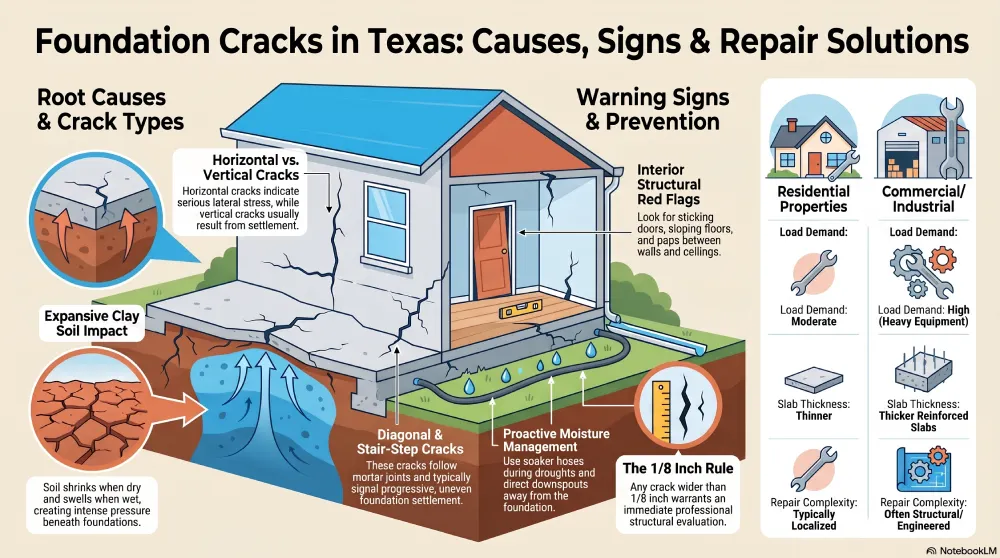
Vertical cracks often result from natural settling. In many cases, they are less concerning than horizontal cracks, especially if they remain narrow and do not show signs of displacement.
However, vertical cracks that widen or allow water intrusion may require professional evaluation.
Horizontal Cracks
Horizontal cracks are more serious and can indicate significant soil pressure against foundation walls. These cracks often suggest lateral stress and may signal structural cracks that require immediate attention.
In retaining walls or basement walls, horizontal cracking can indicate hydrostatic pressure or unstable soil conditions.
Diagonal or Stair-Step Cracks
Diagonal cracks, particularly those following mortar joints in block foundations, often indicate uneven settlement. These structural cracks may appear near doors and windows and often accompany sticking doors or uneven floors.
When diagonal cracks widen over time, they typically signal progressive foundation damage.
The Role of Soil Movement in Foundation Damage
Soil movement is one of the leading causes of foundation cracks in Texas. Understanding how this process works can help property owners prevent larger problems.
How Soil Expansion Affects Foundations
When clay soils absorb water, they swell and exert upward pressure on foundations. During dry periods, the soil shrinks, leaving voids beneath the slab. This uneven support leads to differential settlement, where one part of the structure moves differently than another.
This uneven movement creates:
- Slab cracking
- Separation at expansion joints
- Structural cracks in load-bearing areas
Foundations designed without accounting for expansive soil conditions are especially vulnerable in the Permian Basin.
Drainage Issues and Water Intrusion
Improper drainage is another major contributor to soil movement and foundation damage. Water that pools around the perimeter of a building increases soil expansion and hydrostatic pressure.
Common drainage problems include:
- Poorly graded landscapes
- Clogged or missing gutters
- Broken irrigation lines
- Improperly placed downspouts
Managing moisture around your property is one of the most effective preventive measures against foundation cracks.
Construction Factors That Lead to Foundation Cracks
In some cases, foundation cracks are linked to construction practices rather than environmental conditions.
Improper Soil Preparation
Before pouring a slab, properly compacting and preparing the subgrade is essential. If soil is not compacted correctly, it may settle unevenly over time, causing concrete to crack.
Key subgrade preparation steps include:
- Removing organic material
- Compacting fill soil in layers
- Ensuring consistent moisture content
- Conducting soil testing when necessary
Skipping these steps can increase the risk of foundation damage years after construction is complete.
Inadequate Reinforcement
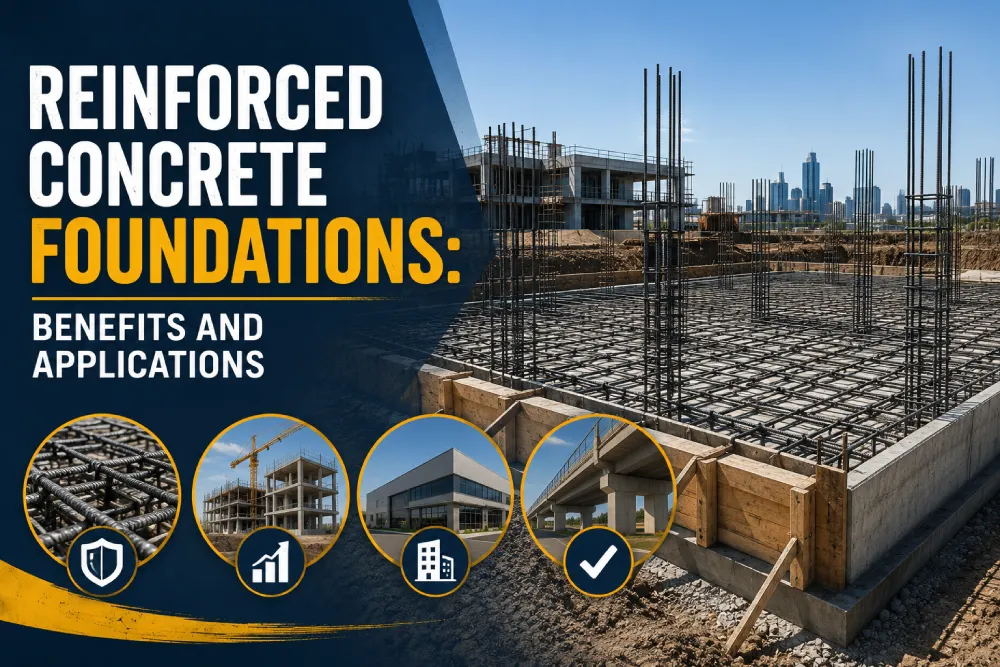
Reinforcement materials such as rebar or post-tension cables help control cracking and improve structural integrity. Foundations lacking adequate reinforcement are more susceptible to developing structural cracks when soil movement occurs.
In West Texas, proper engineering for local soil conditions is critical for long-term performance.
Signs Your Foundation Cracks May Be Structural
While small cracks are common, certain warning signs suggest more serious structural concerns. If you notice the following issues alongside foundation cracks, it may indicate broader foundation damage:
- Doors or windows that stick or won’t close properly
- Sloping or uneven floors
- Cracks in drywall or ceiling corners
- Gaps between walls and ceilings
- Visible separation along exterior brickwork
Structural cracks often widen over time and may show displacement, where one side of the crack is higher than the other. When these symptoms appear, professional evaluation is essential.
When to Consider Professional Concrete Repair
Foundation cracks do not fix themselves, and ignoring them can lead to larger repairs later. The right concrete repair solution depends on the cause, severity, and type of crack present.
Common Concrete Repair Solutions
Professional repair methods may include:
- Epoxy or polyurethane crack injection
- Slab stabilization
- Piering and underpinning systems
- Drainage correction
- Concrete replacement
Each repair strategy addresses a specific underlying issue. For example, simply filling a crack without correcting soil movement may only provide temporary results.
Repair vs. Replacement
In some cases, crack repair is sufficient. In others, extensive settlement may require partial or full slab replacement. The best approach depends on:
- Extent of structural cracks
- Age of the foundation
- Underlying soil stability
- Intended use of the structure
An experienced concrete contractor can evaluate these factors and recommend a cost-effective, long-term solution.
Preventing Foundation Cracks in Texas
Although you cannot control the weather, you can take proactive steps to reduce the risk of foundation cracks and foundation damage.
Maintain Consistent Moisture Levels
Extreme drying and soaking cycles increase soil movement. Consider:
- Installing proper drainage systems
- Using soaker hoses during prolonged drought
- Directing downspouts away from the foundation
Monitor and Seal Minor Cracks
Small cracks should be monitored periodically. If they begin to widen, seek evaluation. Sealing minor surface cracks can help prevent water from penetrating and worsening the issue.
Schedule Professional Inspections
Regular inspections are particularly important for commercial and industrial properties in the Permian Basin, where heavy equipment and load-bearing demands increase structural stress.
Property managers and developers benefit from routine evaluations that catch early signs of structural cracks before they escalate.
Foundation Cracks in Residential vs. Commercial Properties
Different property types face different stress factors. The chart below highlights common distinctions.
| Factor | Residential Properties | Commercial & Industrial Properties |
|---|---|---|
| Load Demand | Moderate | High, often heavy equipment |
| Slab Thickness | Thinner | Thicker, reinforced slabs |
| Soil Impact | Significant | Significant, amplified by load |
| Repair Complexity | Typically localized | Often structural and engineered |
In Odessa and Midland, industrial facilities and oilfield service yards may experience additional stress due to heavy vehicle traffic and large equipment storage. These factors increase the likelihood of structural cracks if foundations are not properly designed and maintained.
Frequently Asked Questions (FAQ)
Are all foundation cracks serious?
No, not all foundation cracks indicate structural problems. Hairline cracks caused by normal curing or minor settlement are common. However, widening cracks, horizontal cracks, or cracks accompanied by structural movement should be professionally evaluated.
How wide is too wide for a foundation crack?
As a general guideline, cracks wider than 1/8 inch may warrant closer inspection. Any crack that continues to expand over time is a concern, especially if it shows vertical displacement.
Can soil movement be permanently stopped?
Soil movement cannot be completely eliminated in expansive clay regions like West Texas. However, proper drainage, soil management, and engineered reinforcement can significantly reduce movement and related foundation damage.
How much does concrete repair cost?
Costs vary depending on the severity of the damage, repair method, and size of the structure. Minor crack repair is typically less expensive than structural stabilization or slab replacement. A professional assessment is necessary for accurate pricing.
Should I repair foundation cracks before selling a property?
Yes, addressing foundation cracks before listing a property can prevent delays during inspections and protect property value. Unresolved foundation damage often raises concerns among buyers and lenders.
Get a Free Concrete Project Estimate
If you are noticing foundation cracks or signs of foundation damage, it is important to act early. Permian Basin Concrete provides professional residential, commercial, and industrial concrete services throughout Odessa, Midland, and the surrounding Permian Basin region.
Our team understands the unique soil movement challenges of West Texas and provides practical, long-term concrete repair solutions tailored to your property. Whether you need crack evaluation, slab repair, or a full foundation replacement, we can help you determine the right path forward.
To schedule a free project consultation and estimate, contact Permian Basin Concrete today at info@permianbasinconcrete.com or visit https://permianbasinconcrete.com. Protect your investment with experienced, local concrete professionals who understand the conditions shaping foundations across the Permian Basin.