A damaged patio does more than hurt your property’s appearance. Cracks, settling, and surface deterioration can create safety hazards, allow water intrusion, and shorten the life of the slab. Understanding concrete patio repair options helps homeowners and property owners make smart decisions before minor issues become major structural problems.
In West Texas, patios take a beating from intense heat, shifting clay soils, sudden freezes, and heavy use. Whether you own a home in Odessa, manage rental property in Midland, or oversee a commercial facility in the Permian Basin, knowing the common causes of patio damage and the right repair methods will protect your investment for years to come.
Why Concrete Patios Fail in West Texas
Concrete is strong and long-lasting, but it is not indestructible. Environmental conditions in the Permian Basin are especially tough on exterior slabs.
Expansive Soil Movement
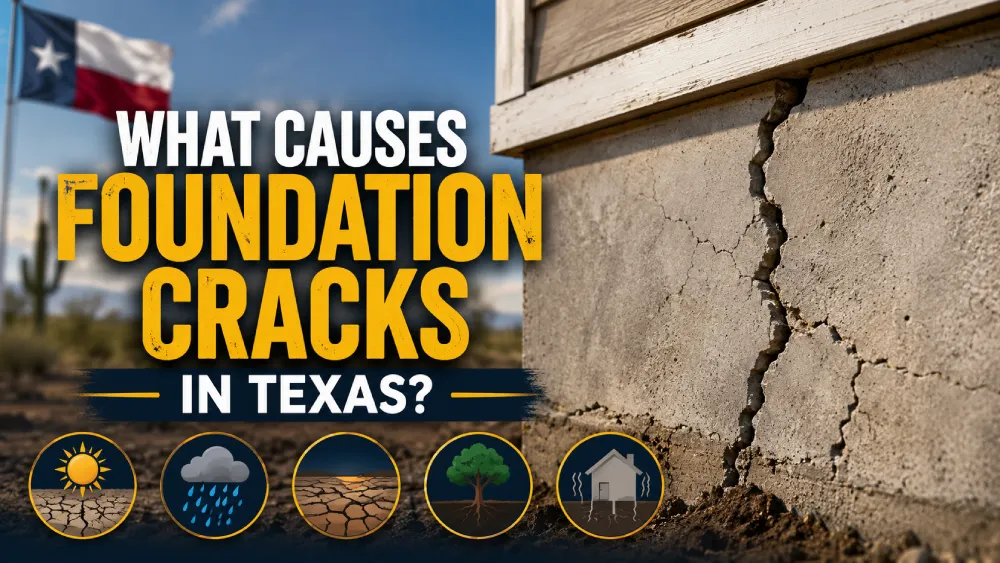
Much of West Texas sits on clay-heavy soil that expands when wet and shrinks during dry spells. This constant movement places stress on patio slabs, leading to:
- Cracking
- Uneven settling
- Separation from foundations
- Sinking corners or edges
When soil underneath a patio shifts, the slab above responds by flexing. Over time, those stress points show up as visible damage.
Extreme Temperature Changes
Odessa and Midland routinely experience triple-digit summer heat followed by cold winter nights. Concrete expands in heat and contracts in cold conditions. Without properly installed control joints, this natural movement contributes to cracking and surface flaking.
Water Drainage Issues
Poor drainage is a leading cause of concrete deterioration. Water that pools beneath or around a patio can erode supporting soil and weaken the slab’s base. Over time, this often leads to patio crack repair needs or full patio resurfacing projects.
Common Concrete Patio Problems
Recognizing early warning signs is critical. The sooner you address damage, the more cost-effective and less invasive the repair typically is.
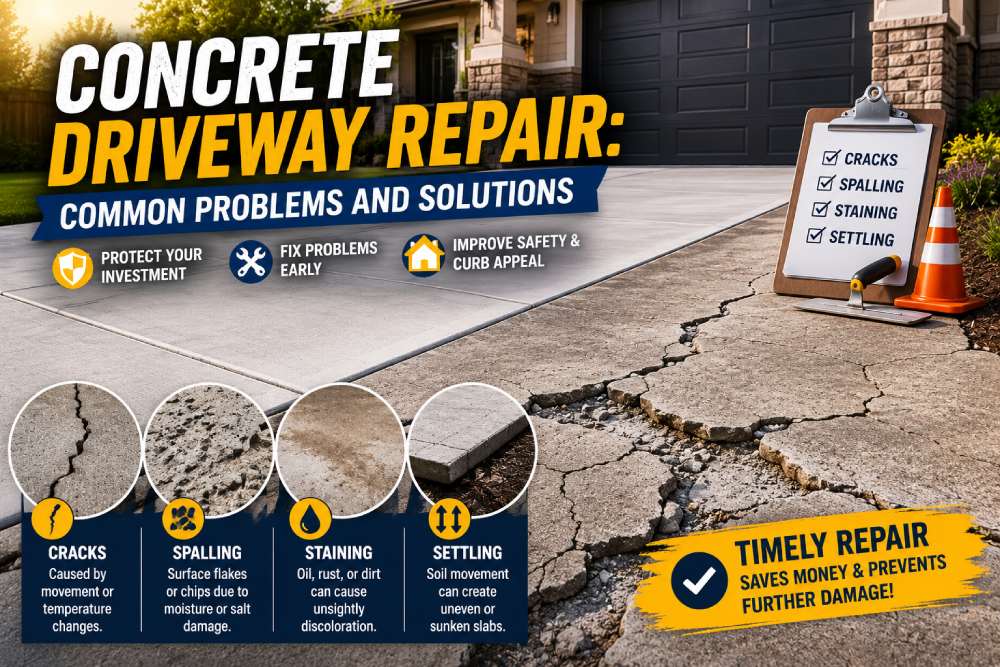
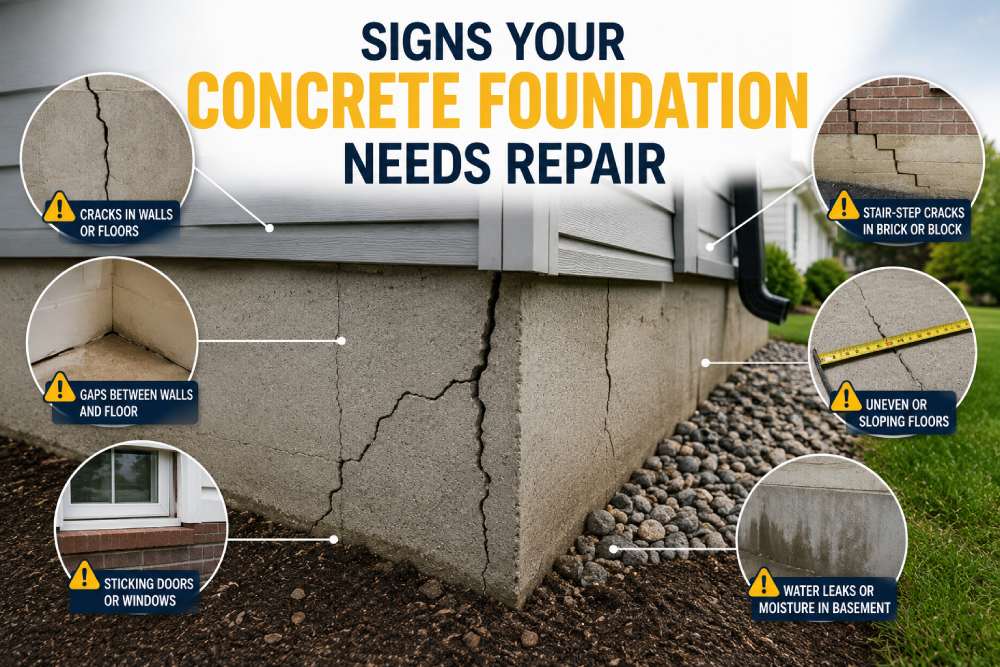
1. Surface Cracks
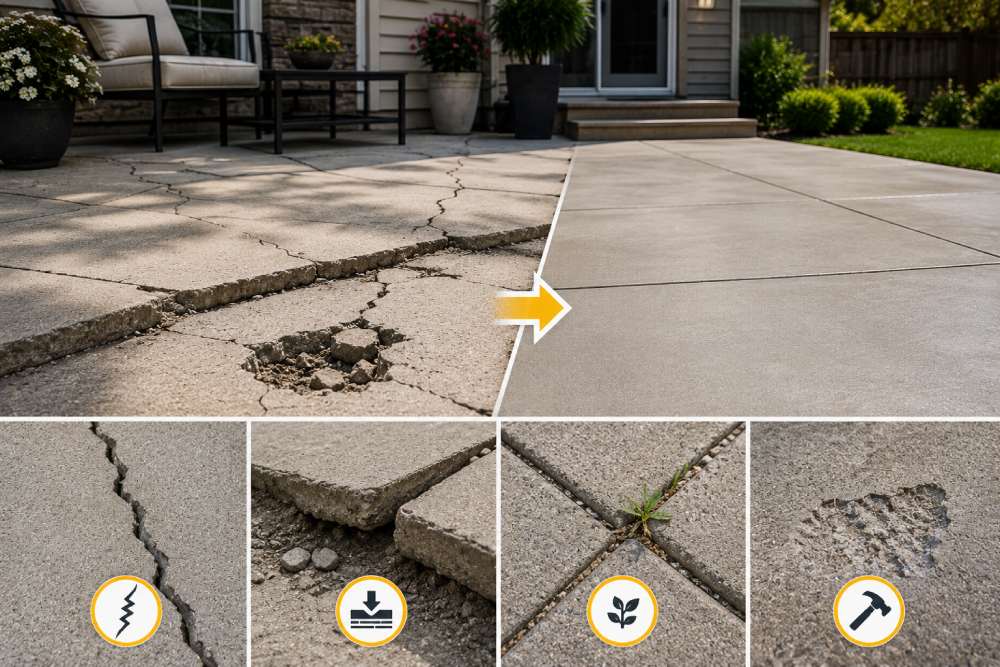
Hairline and moderate cracks are among the most common issues requiring concrete patio repair.
Types of Patio Cracks
- Hairline cracks: Often cosmetic but can allow moisture in.
- Shrinkage cracks: Caused by rapid curing or improper finishing.
- Settlement cracks: Result from soil movement under the slab.
- Structural cracks: Wider cracks indicating load or foundation issues.
Small cracks may not seem urgent, but in West Texas climates, moisture intrusion can quickly widen and worsen them.
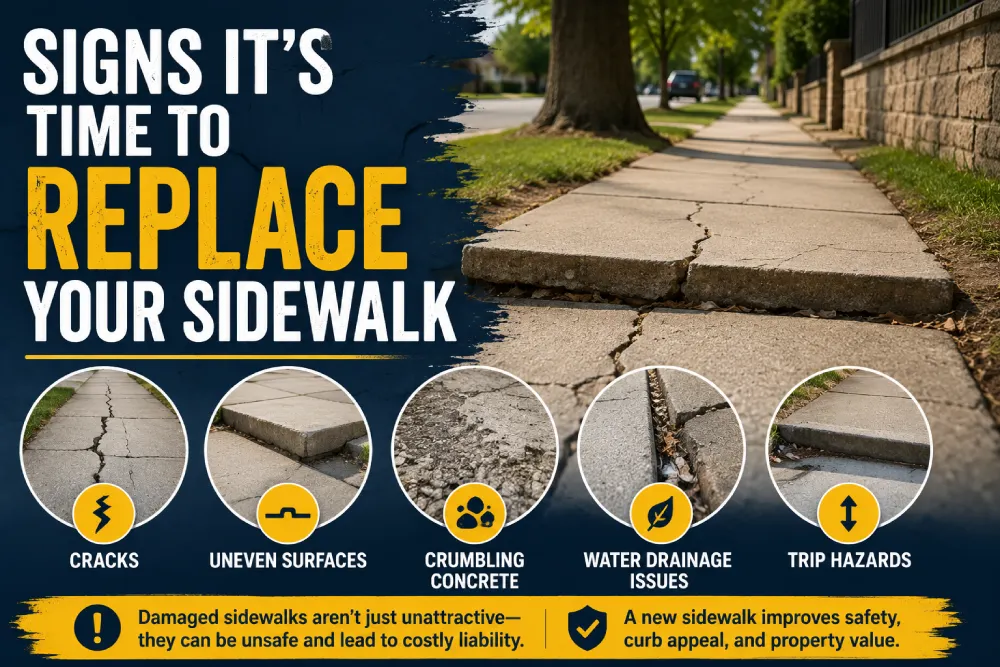
2. Uneven or Sunken Slabs
When one portion of a patio sinks, it creates trip hazards and drainage problems. This usually stems from:
- Compacted soil failure
- Erosion from water runoff
- Improper base preparation during installation
Uneven slabs are particularly concerning for commercial properties and apartment complexes, where liability risks increase.
3. Spalling and Surface Flaking
Spalling occurs when the concrete surface chips, flakes, or peels away. This is often caused by:
- Freeze-thaw cycles
- Deicing chemicals
- Poor finishing techniques
- Inferior original mix design
Surface deterioration may require patio resurfacing or full concrete restoration depending on the extent of damage.
4. Discoloration and Staining
While typically cosmetic, stains from oil, rust, fertilizer, or irrigation systems can affect the appearance of residential and commercial patios. In some cases, discoloration indicates deeper moisture issues.
Concrete Patio Repair Solutions That Work
There is no single solution for every damaged patio. An experienced contractor will evaluate the condition of the slab, the underlying soil, and drainage patterns before recommending the best repair strategy.
Patio Crack Repair Methods
Crack repair depends on width, depth, and underlying cause.
Minor Crack Repair
For hairline cracks, the process often includes:
- Cleaning out debris and dust.
- Injecting flexible concrete crack filler or epoxy.
- Sealing the surface to prevent water intrusion.
This approach restores appearance and helps prevent further expansion.
Structural Crack Repair
Wider cracks may require:
- Routing and sealing
- Epoxy or polyurethane injection
- Partial slab replacement if structural integrity is compromised
Structural patio crack repair must address underlying movement to prevent recurrence.
Patio Resurfacing vs. Replacement
Many property owners assume that significant surface damage means complete demolition. In reality, patio resurfacing can often restore function and appearance at a lower cost.
When Patio Resurfacing Is a Good Option
Resurfacing works well when:
- The slab is structurally sound
- Damage is mostly cosmetic
- Cracks are minor and stabilized
- The base has not significantly shifted
Resurfacing involves applying a specialized overlay to create a fresh, uniform finish. This method is common for residential backyards in Midland and Odessa where homeowners want an updated look without full replacement.
When Replacement Is Necessary
Full replacement may be required if:
- The slab has extensive structural cracking
- There is severe settling
- The base preparation failed
- Drainage issues cannot be corrected with minor adjustments
An experienced concrete contractor will perform a thorough evaluation before recommending demolition.
Concrete Restoration for Commercial and Industrial Properties
Concrete restoration goes beyond simple patching. For commercial sites, retail spaces, apartment complexes, and industrial facilities across the Permian Basin, restored concrete must meet safety and durability standards.
Key Elements of Professional Concrete Restoration
- Structural assessment
- Subgrade evaluation
- Drainage correction
- Joint repair and resealing
- Surface grinding and leveling
Industrial properties, including oilfield facilities in West Texas, often face heavy equipment traffic. In these cases, repair solutions must account for load-bearing requirements to ensure long-term durability.
Step-by-Step Concrete Patio Repair Process
Although each project differs, most professional concrete patio repair jobs follow a similar workflow.
1. Inspection and Diagnosis
A qualified contractor evaluates:
- Crack patterns
- Elevation changes
- Drainage slope
- Soil conditions
- Surface wear
This step determines whether patio resurfacing, crack repair, or replacement is appropriate.
2. Preparation
Preparation includes:
- Cleaning the surface
- Removing loose material
- Grinding uneven sections
- Addressing moisture issues
Skipping preparation is one of the leading causes of failed repairs.
3. Repair Application
Depending on the solution, this may include:
- Epoxy or poly injection
- Patch materials
- Leveling foam (for sunken slabs)
- Overlay installation
4. Sealing and Finishing
Sealing helps protect the repaired patio from:
- Moisture penetration
- UV damage
- Chemical exposure
- Early wear
Proper sealing is especially important in the hot, dry climate of West Texas.
Comparing Repair Options
| Repair Type | Best For | Cost Range | Lifespan | Disruption Level |
|---|---|---|---|---|
| Crack Sealing | Hairline & minor cracks | Low | 3–7 yrs | Minimal |
| Slab Leveling | Sunken sections | Medium | 5–10 yrs | Low |
| Patio Resurfacing | Cosmetic damage & light cracking | Medium | 8–15 yrs | Moderate |
| Full Replacement | Severe structural failure | Higher | 20+ yrs | High |
A professional evaluation ensures you invest in the right solution rather than overspending unnecessarily.
Preventative Patio Maintenance Tips
Ongoing patio maintenance significantly reduces the need for major concrete restoration in the future.
Regular Cleaning
Remove dirt, debris, and oil stains before they penetrate the surface. Pressure washing should be done carefully to avoid damaging the finish.
Seal Every Few Years
Sealers wear down over time. Resealing every few years helps protect against moisture intrusion, which is critical in regions like Odessa and Midland that experience dramatic weather swings.
Address Drainage Problems Early
Ensure water flows away from your patio. Redirecting downspouts and correcting grading problems can prevent erosion beneath the slab.
Repair Small Cracks Promptly
Quick patio crack repair prevents moisture from expanding cracks during freeze cycles. Early repairs are typically smaller and more affordable.
When to Call a Professional Concrete Contractor
Some minor surface cracks can be addressed with DIY products. However, larger or recurring issues require professional evaluation.
You should contact a contractor if you notice:
- Cracks wider than 1/4 inch
- Slabs that rock or shift
- Water pooling near foundations
- Large sections sinking
- Expanding crack patterns over time
In the Permian Basin, soil movement is a known challenge. A local contractor understands regional conditions and designs repairs that account for them.
Frequently Asked Questions (FAQ)
How much does concrete patio repair cost in Midland or Odessa?
Costs vary based on the extent of damage, repair method, and square footage. Minor patio crack repair is typically much more affordable than full replacement. A professional inspection provides accurate pricing based on your specific situation.
Is patio resurfacing durable in West Texas heat?
Yes, when installed correctly and properly sealed, resurfacing systems are designed to handle temperature swings and UV exposure common in the Permian Basin. Surface preparation and product selection are key factors.
How long does concrete restoration take?
Small repairs can often be completed in one day. Larger resurfacing or leveling projects may take several days depending on curing time and project size.
Will cracks come back after repair?
If the underlying cause—such as soil movement or drainage—is not addressed, cracks may reappear. Professional concrete patio repair focuses on correcting root causes, not just treating surface symptoms.
Can commercial properties remain operational during repairs?
In many cases, repairs can be phased to minimize disruption. A qualified contractor will coordinate scheduling to reduce downtime for businesses and industrial facilities.
Get a Free Concrete Project Estimate
If your patio is cracking, settling, or showing signs of wear, addressing the issue early can prevent more expensive repairs later. Professional evaluation ensures you choose the right solution, whether that involves patio crack repair, patio resurfacing, or full concrete restoration.
Permian Basin Concrete provides residential, commercial, and industrial concrete services throughout Odessa, Midland, and the surrounding Permian Basin region. Our team understands the unique soil and climate challenges of West Texas and delivers repair solutions designed for long-term durability.
To schedule a free project consultation and estimate, contact Permian Basin Concrete today:
Email: permianbasinconcrete@gmail.com
Website: https://permianbasinconcrete.com
If you are planning a repair, renovation, or new concrete installation, we are ready to help you protect and improve your property with professional, dependable concrete solutions.