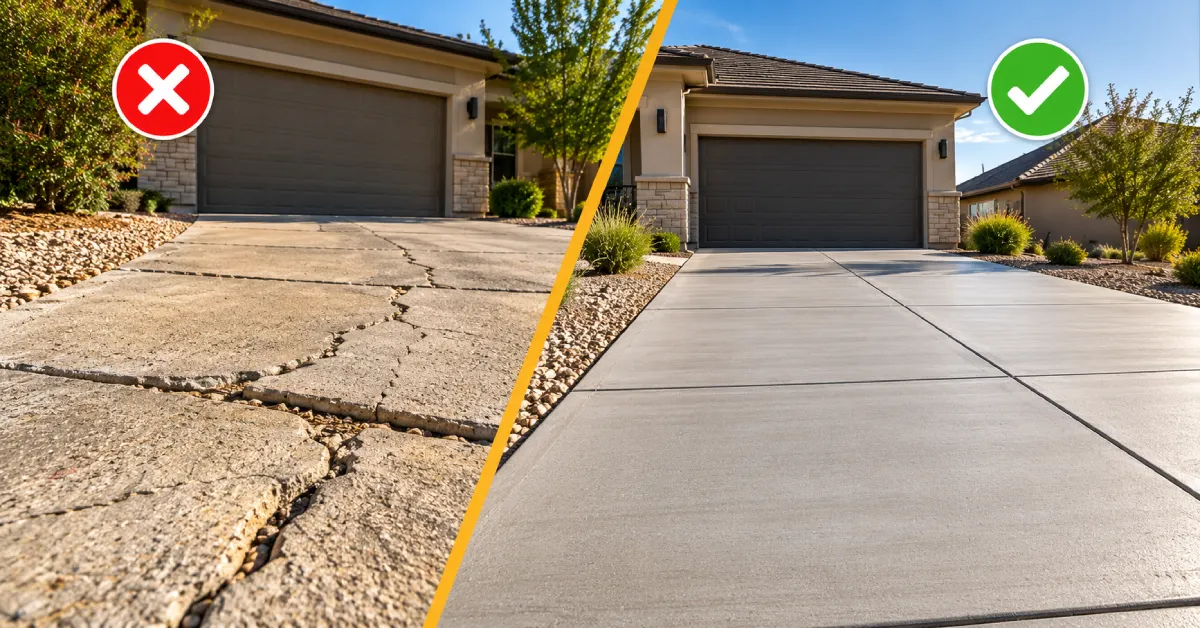
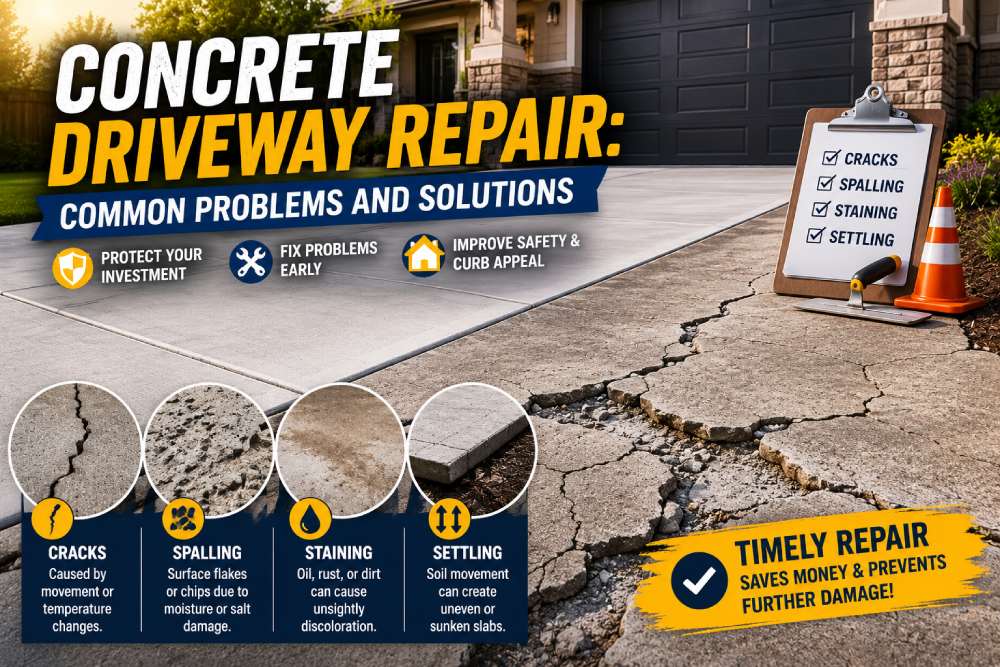
A damaged driveway is more than just an eyesore. Cracks, settling, and surface deterioration can turn into safety hazards, reduce property value, and lead to costly structural issues if ignored. In West Texas, where extreme heat, clay soils, and heavy vehicle loads are common, concrete driveway repair is a critical service for homeowners and commercial property owners alike.
At Permian Basin Concrete, we’ve worked with property owners throughout Odessa Tx, Midland Tx, and the greater Permian Basin region who want long-lasting, practical solutions—not temporary patches. This guide explains common driveway problems, what causes them, and the most effective repair and concrete restoration options available today.
Why Concrete Driveways Fail in West Texas
Concrete is durable, but it is not indestructible. Environmental conditions in the Permian Basin create unique challenges that directly affect driveway performance.
Expansive Clay Soils
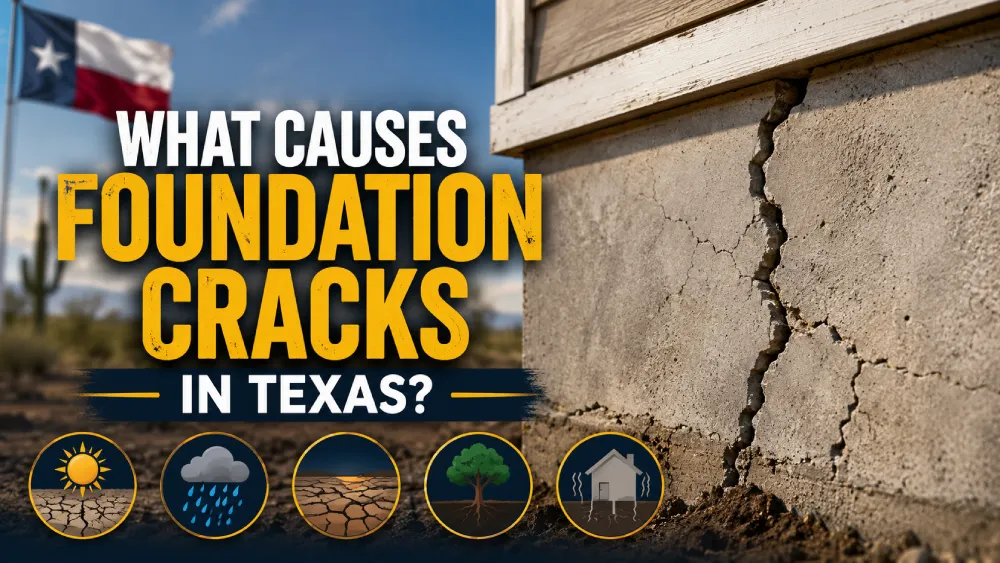
Many areas in Odessa and Midland sit on expansive clay soils that swell when wet and shrink during dry periods. This continuous movement places stress on concrete slabs. Over time, the pressure causes cracking, lifting, or uneven settling.
Extreme Temperature Swings
West Texas experiences intense summer heat and occasional winter freezes. These temperature fluctuations cause concrete to expand and contract. Without proper joint placement and driveway maintenance, this movement can lead to surface cracks and joint failure.
Heavy Vehicle Loads
Driveways that support heavy trucks, RVs, oilfield vehicles, or commercial deliveries are exposed to loads beyond what standard residential slabs are designed to handle. If the original slab thickness or reinforcement was inadequate, structural cracking is likely.
Poor Installation Practices
Inadequate base preparation, improper concrete mix design, or rushed finishing work often accelerate deterioration. Driveway resurfacing may temporarily improve appearance, but underlying structural issues must be addressed for long-term results.
Common Concrete Driveway Problems
Understanding the type of damage you’re seeing is the first step toward choosing the right driveway crack repair or concrete restoration method.
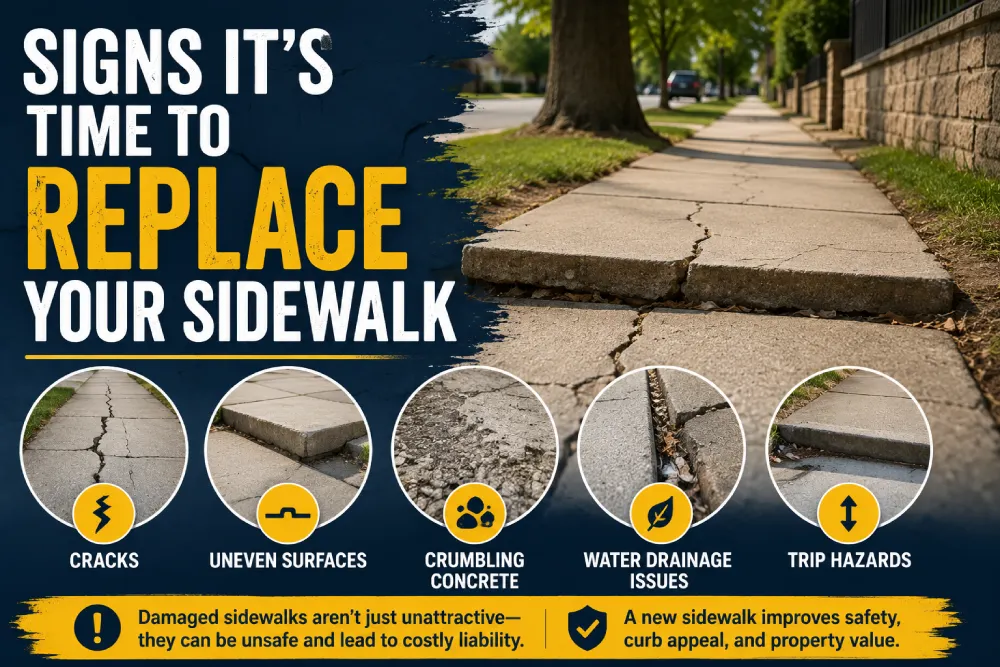
1. Surface Cracks
Hairline cracks are common and may not always indicate major structural problems. However, wider cracks can allow moisture intrusion and weaken the slab.
Common causes include:
- Shrinkage during curing
- Thermal expansion and contraction
- Minor soil movement
- Lack of control joints
2. Scaling and Spalling
Scaling occurs when the surface layer begins to flake or peel away. Spalling refers to deeper surface breakdown, often exposing aggregate beneath the surface.
This is often caused by:
- Improper finishing techniques
- Excess water in the concrete mix
- Freeze-thaw cycles
- Chemical exposure
3. Uneven or Sunken Sections
Sunken sections create trip hazards and drainage issues. In commercial properties and industrial yards, this can also damage equipment and vehicles.
Common causes include:
- Soil erosion beneath the slab
- Inadequate compaction
- Water intrusion
- Poor subgrade preparation
4. Expansion Joint Deterioration
Expansion joints allow concrete to move safely. When they deteriorate or are not properly sealed, water can enter beneath the slab and accelerate damage.
5. Drainage Problems
If water consistently pools on the surface, it increases surface deterioration and subgrade instability. Proper slope and grading are essential for long-term driveway performance.
Concrete Driveway Repair Methods and Solutions
Selecting the correct repair method depends on the severity and root cause of the damage. A qualified contractor will evaluate both surface and structural conditions.
Driveway Crack Repair
Cracks that are non-structural can often be repaired effectively without replacing the entire slab.
Repair Process:
- Clean the crack thoroughly.
- Remove debris and loose material.
- Apply a professional-grade crack filler or epoxy injection system.
- Seal the surface to prevent moisture intrusion.
Crack repair is ideal when:
- Cracks are stable and not widening.
- The surrounding concrete is structurally sound.
- Damage is cosmetic or minor.
For active or expanding cracks, joint stabilization may also be required.
Concrete Lifting and Leveling
When slabs settle due to soil movement, lifting can restore proper alignment without full replacement.
Common methods include:
- Polyurethane foam injection
- Slab jacking (mudjacking)
- Void filling beneath the slab
This method is often more cost-effective than removal and replacement when:
- The concrete surface remains intact.
- Settlement is localized.
- Drainage issues can be corrected.
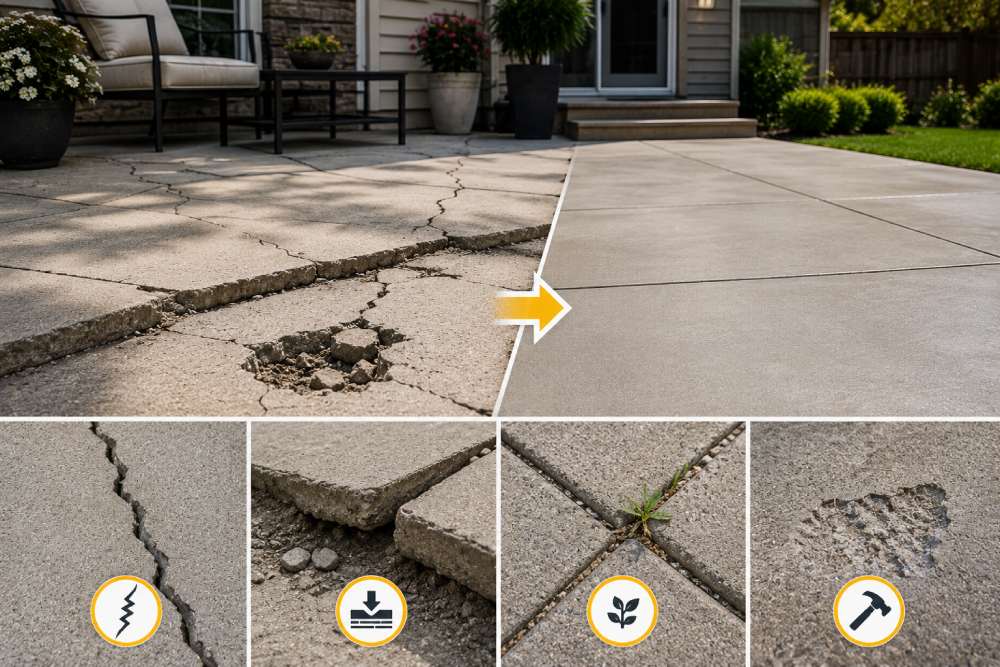
Driveway Resurfacing
Driveway resurfacing is ideal for structurally sound slabs with cosmetic deterioration. It restores appearance while improving durability.
The Process Typically Includes:
- Surface cleaning and preparation
- Crack and joint repairs
- Application of a bonding agent
- Installation of a new overlay system
Resurfacing can:
- Improve curb appeal
- Extend driveway lifespan
- Provide slip-resistant textures
- Modernize outdated finishes
However, resurfacing is not appropriate if the slab has major structural failure.
Partial or Full Replacement
When cracking is widespread, sections have shifted significantly, or reinforcement has failed, replacement may be the most practical long-term solution.
Replacement Involves:
- Demolition and removal
- Subgrade preparation and compaction
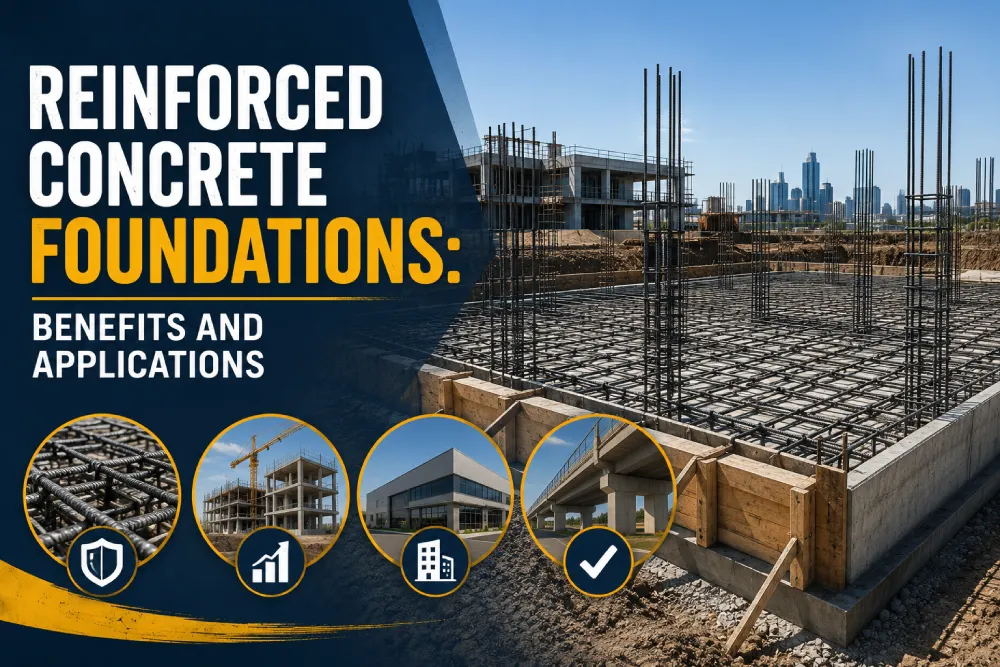
- Installation of reinforcement (rebar or fiber mesh)
- Proper concrete thickness and joint placement
- Controlled curing methods
For industrial or oilfield applications in the Permian Basin, thicker slabs and higher PSI concrete mixes are often necessary to handle heavy loads.
Comparing Repair vs. Replacement
Not all damage requires starting from scratch. The decision depends on structural integrity, budget, and future usage needs.
| Condition | Recommended Solution |
|---|---|
| Hairline cracks | Crack filling and sealing |
| Minor surface damage | Driveway resurfacing |
| Localized settling | Slab lifting |
| Widespread structural cracks | Partial replacement |
| Extensive failure | Full replacement |
An experienced contractor can determine the most cost-effective and durable path forward.
The Importance of Ongoing Driveway Maintenance
Preventative driveway maintenance is one of the most overlooked aspects of property care. Regular inspections and small repairs significantly extend slab life.
Key Maintenance Steps
- Seal joints and cracks annually
- Keep the surface clean from oil and chemicals
- Ensure proper drainage
- Avoid overloading slabs beyond design capacity
- Address minor cracks early
Proactive concrete restoration protects your investment and minimizes long-term expenses.
Signs It’s Time to Call a Professional
While some surface issues seem minor, warning signs often indicate deeper structural problems.
You should schedule an inspection if you notice:
- Growing or widening cracks
- Water pooling near the foundation
- Sections pulling away from garage slabs
- Uneven transitions creating safety hazards
- Repeated patch failures
For commercial and industrial property managers in Midland and Odessa, unresolved driveway damage can create liability risks. Addressing issues early helps prevent trip hazards and equipment damage.
What to Expect During a Concrete Driveway Repair Consultation
Professional evaluation ensures proper diagnosis—not guesswork. At Permian Basin Concrete, a consultation typically includes:
- Visual assessment of the surface and joints
- Evaluation of soil movement indicators
- Measurement of slab thickness (if necessary)
- Drainage and grading review
- Discussion of usage loads and traffic demands
Based on this evaluation, property owners receive practical recommendations tailored to residential, commercial, or industrial needs.
Frequently Asked Questions (FAQ)
How long does concrete driveway repair take?
Minor driveway crack repair can often be completed in a single day. Larger resurfacing or lifting projects may take several days depending on size and weather conditions.
How long will repairs last?
When properly installed, professional repairs can last many years. Longevity depends on soil stability, traffic loads, and ongoing driveway maintenance.
Is driveway resurfacing better than replacement?
Resurfacing is cost-effective for surface-level damage. If structural cracking or settling exists, replacement may be more durable long-term.
Can oilfield trucks damage residential driveways?
Yes. Standard residential slabs are typically 4 inches thick. Heavy industrial vehicles often require thicker slabs with reinforcement to prevent cracking and failure.
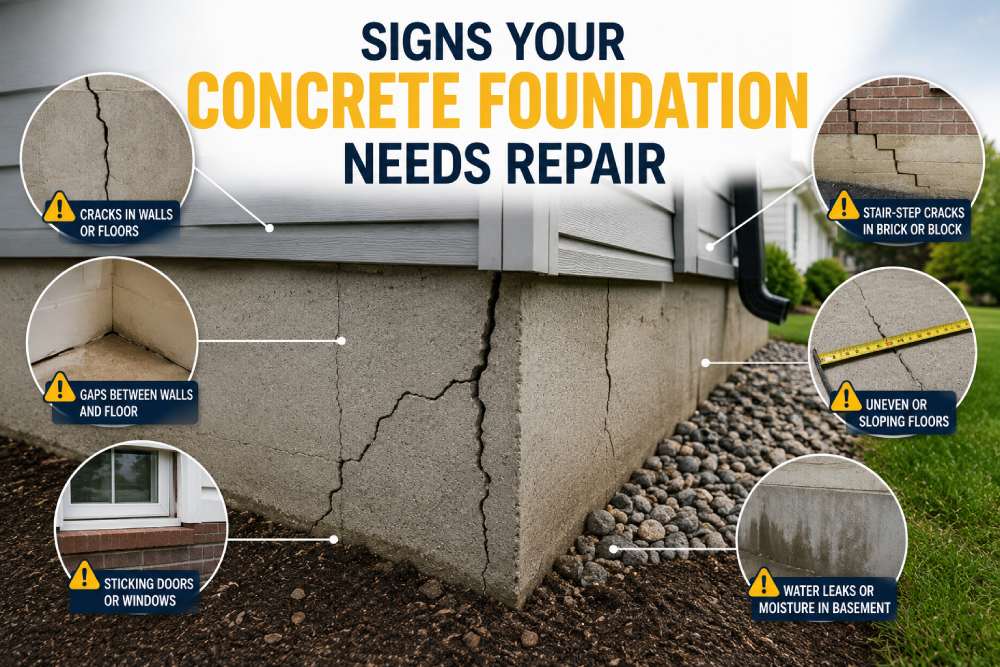
How do I know if my driveway has foundation-related issues?
If cracks extend into the garage slab or connect to foundation walls, it’s important to have both evaluated. Movement may originate from expansive soils common in West Texas.
Get a Free Concrete Project Estimate
If your driveway is cracked, uneven, or showing signs of wear, professional evaluation can prevent small problems from becoming expensive replacements. Permian Basin Concrete provides residential, commercial, and industrial concrete services throughout Odessa, Midland, and the surrounding Permian Basin region.
Whether you need driveway crack repair, driveway resurfacing, full concrete restoration, or a new heavy-duty slab installation, our team offers practical solutions tailored to West Texas conditions.
Contact Permian Basin Concrete today for a free project consultation and estimate.
Permian Basin Concrete
Odessa, TX & Midland, TX
Serving the Permian Basin and West Texas
Email: permianbasinconcrete@gmail.com
Protect your property. Restore your investment. Schedule your free estimate today.