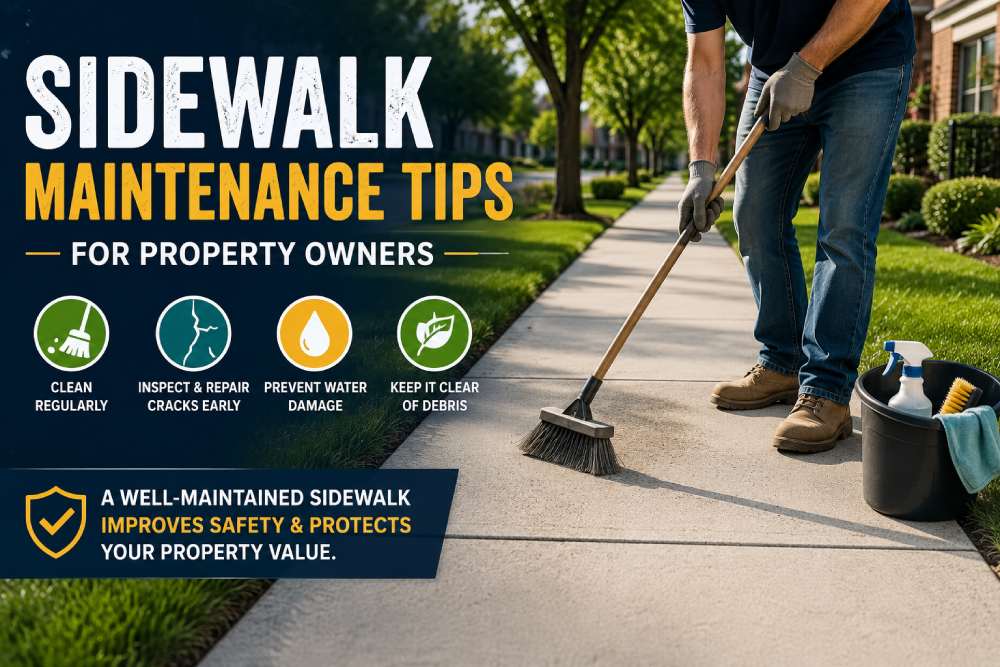
Sidewalk maintenance is one of the most overlooked responsibilities for property owners, yet it plays a critical role in safety, curb appeal, and long-term concrete performance. Whether you oversee a residential driveway and walkway in Midland, manage a retail center in Odessa, or maintain an industrial facility in the Permian Basin, routine concrete care can prevent costly repairs and liability issues. Small cracks, pooling water, or surface stains may seem minor at first, but they often signal larger structural concerns developing below the surface.
With the extreme heat, shifting soils, and occasional freeze events in West Texas, sidewalks endure significant stress year-round. Understanding proper sidewalk cleaning, walkway upkeep, and concrete preservation techniques allows you to protect your investment and extend the lifespan of your concrete surfaces. This guide outlines practical, experience-based recommendations used by professional contractors and facility managers throughout the region.
Why Sidewalk Maintenance Matters in West Texas
Concrete is durable, but it is not maintenance-free. In areas like Odessa and Midland, expansive clay soils and extreme temperature fluctuations can cause movement and stress on sidewalks. Heavy foot traffic, vehicle crossings, and oilfield-related activity can further accelerate wear and deterioration.
Proactive sidewalk maintenance helps to:
- Prevent trip hazards and liability claims
- Extend the life of concrete surfaces
- Improve property appearance and value
- Avoid costly full-depth replacements
- Maintain compliance with ADA accessibility standards
Property owners who ignore routine concrete care often face more extensive repairs later. Addressing minor damage early is almost always more cost-effective than waiting for structural problems to develop.
Common Sidewalk Problems Property Owners Face
Understanding the most frequent sidewalk issues helps you know what to look for during inspections. Many of these conditions begin subtly and worsen over time without proper walkway upkeep.
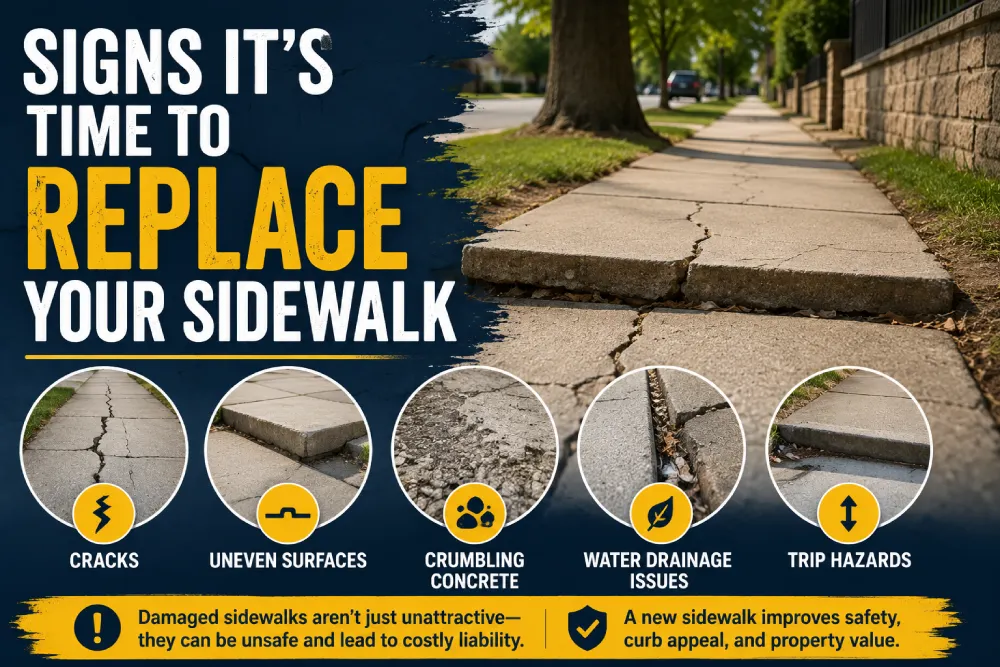
Cracking
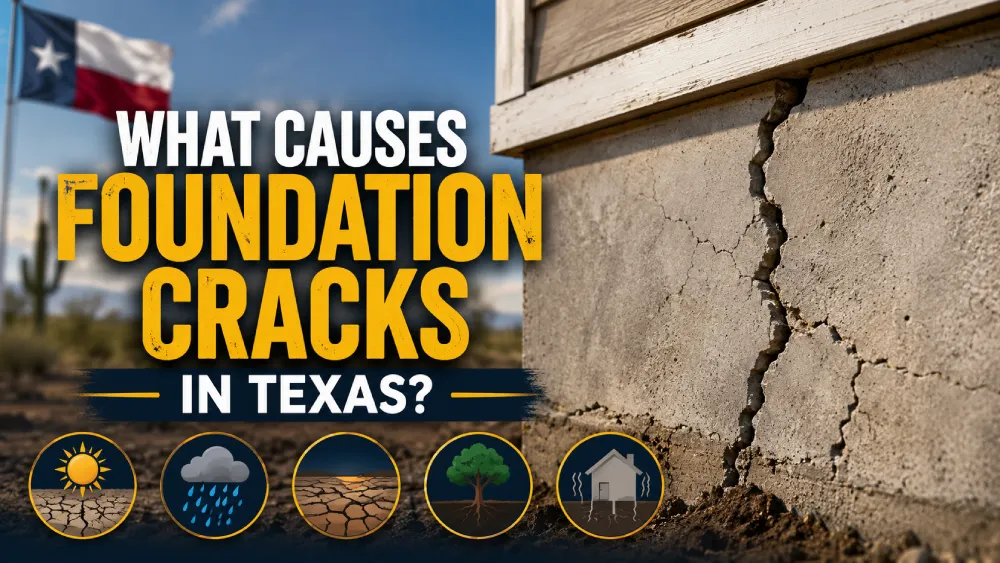
Cracks are the most common issue in concrete sidewalks. They may result from soil movement, shrinkage during curing, heavy loads, or tree root expansion. Hairline cracks may appear cosmetic, but wider cracks can allow water infiltration that accelerates deterioration.
Small cracks can often be sealed, but larger structural cracks may require sectional replacement. Regular inspections make it easier to catch issues before they become safety hazards.
Spalling and Surface Flaking
Spalling occurs when the surface layer of concrete begins to chip, flake, or peel away. In West Texas, freeze-thaw cycles and improper de-icing methods can contribute to surface breakdown. Poor finishing techniques during original installation may also lead to early surface failure.
Surface damage not only looks unattractive but can expose aggregate and weaken the slab over time.
Uneven or Settled Slabs
Sidewalk sections may sink or become uneven due to soil erosion, improper compaction, or water drainage problems. These uneven areas create trip risks and may violate accessibility standards for commercial properties.
In some cases, slab lifting or leveling solutions can restore the surface without complete replacement.
Staining and Discoloration
Oil, grease, rust, and dirt buildup are common on both residential and industrial sidewalks. While often considered cosmetic, stains can signal surface porosity that increases long-term wear. Routine sidewalk cleaning reduces absorption and improves overall concrete preservation.
Sidewalk Cleaning Best Practices
Consistent sidewalk cleaning is one of the simplest yet most effective forms of sidewalk maintenance. Removing debris and contaminants prevents surface damage and keeps your property looking professional.
Routine Cleaning Schedule
The frequency of cleaning depends on usage and environment.
- Residential homes: Every 3–6 months
- Commercial properties: Monthly or bi-monthly
- Industrial and oilfield facilities: As needed based on traffic and spills
Establishing a schedule ensures contaminants do not sit long enough to penetrate the concrete surface.
Safe Pressure Washing Guidelines
Pressure washing is effective when done correctly, but improper technique can damage the concrete surface. Use moderate pressure and a wide spray pattern to avoid etching. Always test a small area before cleaning the entire walkway.
For heavily stained areas, combine pressure washing with a concrete-safe degreaser. Avoid harsh acids that can weaken the surface and reduce long-term durability.
Oil and Rust Stain Removal
Oil stains are common in driveways and sidewalks near parking areas. Applying an absorbent material immediately after a spill reduces penetration. For older stains, use a commercial degreaser formulated for concrete.
Rust stains often originate from irrigation systems or metal fixtures. Specialized rust removers designed for concrete surfaces are more effective than general household cleaners.
Preventative Concrete Care Strategies
Preventative maintenance is the foundation of effective concrete preservation. Taking a proactive approach helps property owners avoid costly structural repairs.
Sealing for Long-Term Protection
Applying a quality concrete sealer protects sidewalks from moisture intrusion, chemicals, and surface abrasion. In the Permian Basin’s dry climate, sealers also help minimize surface cracking caused by rapid moisture loss.
Most sidewalks benefit from resealing every 2–3 years, depending on traffic levels and environmental exposure. A properly sealed surface is easier to clean and more resistant to staining.
Joint and Crack Sealing
Expansion joints allow concrete to expand and contract with temperature changes. When joints deteriorate or crack filler fails, water can penetrate below the slab and weaken the base material.
To maintain effective walkway upkeep:
- Inspect joints annually.
- Remove debris from gaps.
- Replace deteriorated joint filler.
- Seal cracks before they widen.
These simple steps significantly improve concrete preservation efforts.
Drainage Management
Poor drainage is a leading cause of sidewalk failure. Standing water erodes soil beneath concrete slabs and increases the likelihood of settlement. Ensure that:
- Downspouts direct water away from walkways.
- Landscaping does not trap water against slabs.
- Grading slopes away from concrete surfaces.
Proper drainage is especially important in areas of Midland and Odessa where sudden storms can release large amounts of water in short periods.
Seasonal Sidewalk Maintenance Checklist
A seasonal approach to sidewalk maintenance ensures issues are addressed before they worsen.
Spring
- Inspect for cracks or winter damage
- Power wash surfaces
- Check drainage after rain events
Summer
- Monitor for expansion-related cracks
- Seal concrete if needed
- Address surface discoloration
Fall
- Remove debris and organic material
- Prepare joints and cracks for cooler weather
- Evaluate trip hazards before holiday traffic increases
Winter
- Avoid harsh de-icing chemicals
- Use sand for traction instead of corrosive salts
- Inspect for freeze-related spalling
Consistent seasonal attention helps maintain safe, attractive sidewalks throughout West Texas.
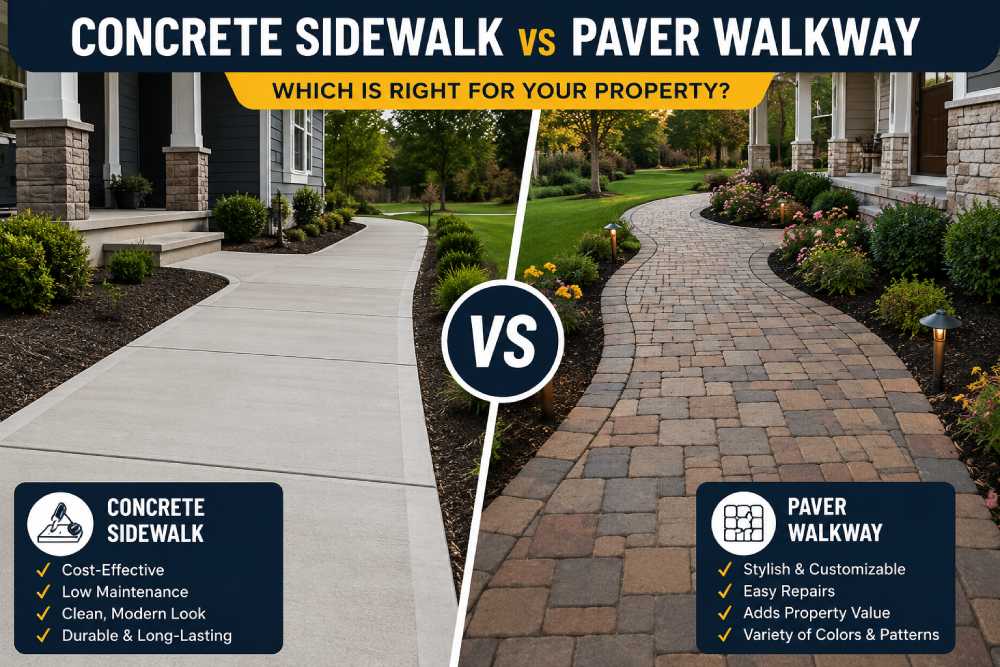
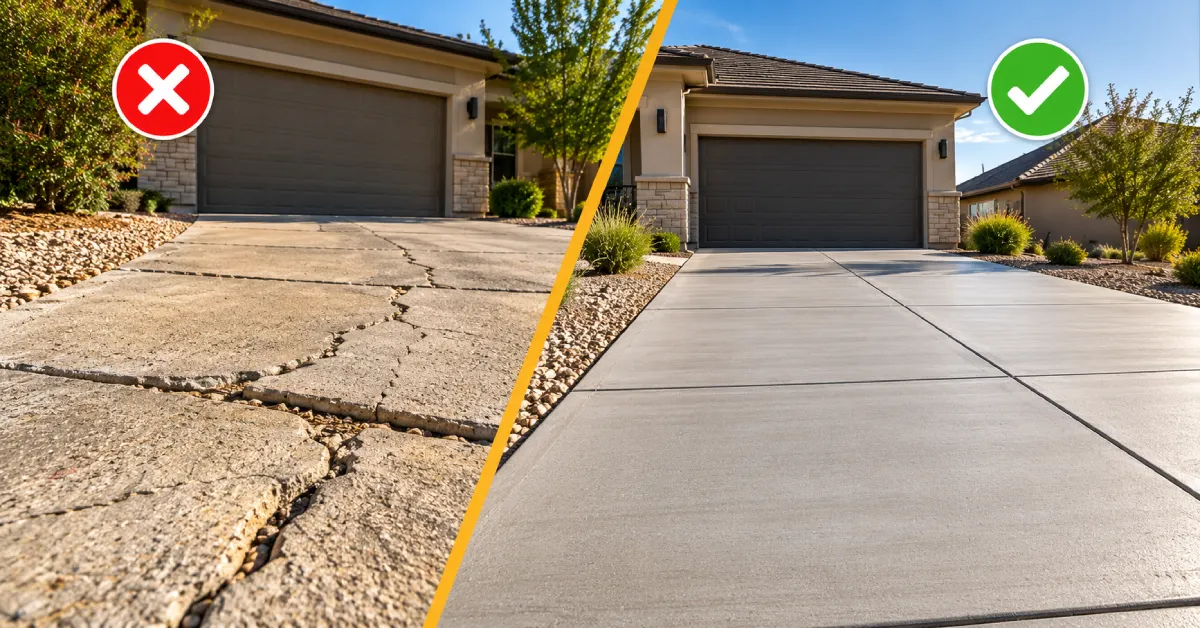
When to Repair vs. Replace a Sidewalk
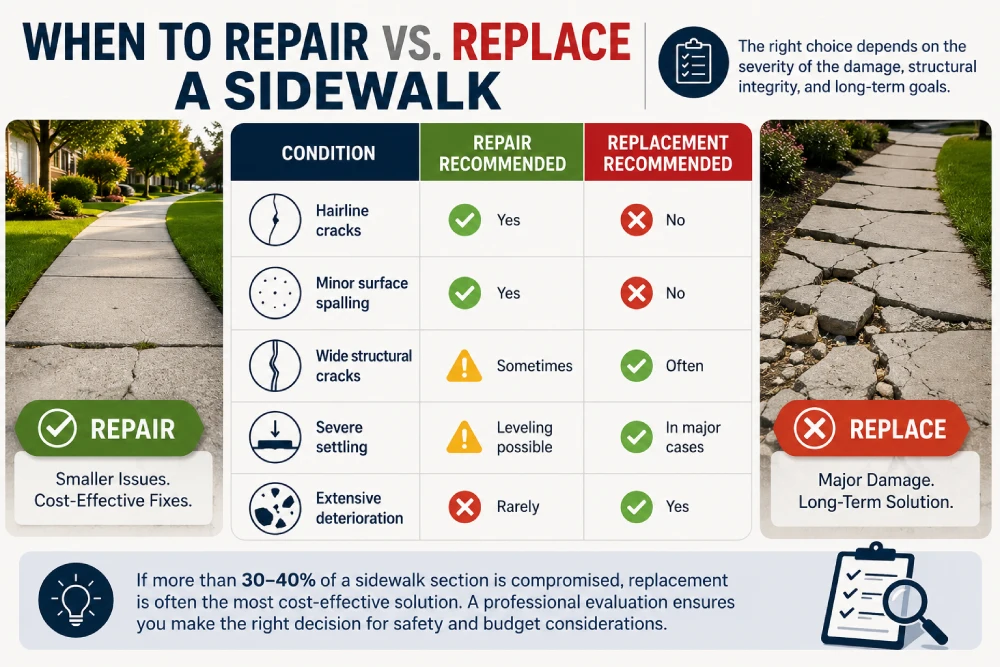
Property owners often ask whether a damaged sidewalk can be repaired or must be replaced entirely. The answer depends on severity, structural integrity, and long-term goals.
| Condition | Repair Recommended | Replacement Recommended |
|---|---|---|
| Hairline cracks | ✅ Yes | ❌ No |
| Minor surface spalling | ✅ Yes | ❌ No |
| Wide structural cracks | ⚠️ Sometimes | ✅ Often |
| Severe settling | ⚠️ Leveling possible | ✅ In major cases |
| Extensive deterioration | ❌ Rarely | ✅ Yes |
If more than 30–40% of a sidewalk section is compromised, replacement is often the most cost-effective solution. A professional evaluation ensures you make the right decision for safety and budget considerations.
ADA Compliance and Liability Considerations
For commercial property owners, sidewalk maintenance is not just about appearance—it is about compliance and liability management. Uneven slabs, excessive slope, or wide cracks may violate ADA guidelines and create legal exposure.
Trip-and-fall accidents can result in significant financial consequences. Routine inspections and documented maintenance practices demonstrate responsible property management. Many property managers in the Permian Basin include quarterly walkway inspections as part of their risk management plans.
Ensuring proper width, slope, and surface uniformity protects both visitors and business operations.
Hiring a Professional for Sidewalk Maintenance
While routine sidewalk cleaning and minor crack sealing can be handled internally, structural repairs require professional expertise. Experienced concrete contractors understand soil conditions unique to West Texas and can recommend solutions tailored to the local environment.
When evaluating a contractor, consider:
- Experience with residential, commercial, and industrial properties
- Knowledge of regional soil and climate conditions
- Clear repair vs. replacement recommendations
- Transparent estimates and timelines
Professional assessments often uncover underlying causes of sidewalk damage, such as base compaction failures or drainage deficiencies. Addressing root causes ensures long-term concrete preservation rather than temporary fixes.
Long-Term Benefits of Proactive Walkway Upkeep
Consistent walkway upkeep delivers measurable long-term value. Well-maintained sidewalks improve property perception, especially for commercial and industrial sites where first impressions matter.
Beyond aesthetics, proactive concrete care:
- Extends service life by years or decades
- Reduces emergency repair costs
- Improves pedestrian safety
- Protects surrounding landscaping
- Supports overall property value
In growing regions like Odessa and Midland, well-kept infrastructure signals responsible ownership and professional management.
Frequently Asked Questions (FAQ)
How often should sidewalk maintenance be performed?
Sidewalks should be visually inspected at least twice per year and cleaned regularly based on usage. Commercial and industrial properties may require monthly inspections to ensure safety compliance.
What is the best way to prevent concrete cracks?
Proper installation, good drainage, and routine joint sealing are key. While some minor cracking is normal, proactive concrete care and sealing significantly reduce major structural issues.
Can pressure washing damage my sidewalk?
Yes, if performed with excessive pressure or incorrect technique. Using moderate pressure and the correct nozzle prevents surface etching and protects long-term durability.
When should a sidewalk be completely replaced?
If the concrete is severely settled, structurally cracked, or extensively deteriorated, replacement may be more cost-effective than ongoing repairs. A professional evaluation provides clarity.
Is sealing concrete really necessary in West Texas?
Yes. Even in dry climates like the Permian Basin, sealing helps protect against staining, moisture intrusion, and surface breakdown caused by temperature extremes.
Get a Free Concrete Project Estimate
If your sidewalk shows signs of cracking, settlement, or surface damage, Permian Basin Concrete can help. We provide residential, commercial, and industrial concrete services throughout Odessa, Midland, and the surrounding Permian Basin region. From routine repairs to full sidewalk replacement, our team understands the soil conditions and climate challenges unique to West Texas.
To schedule a free project consultation and estimate, contact Permian Basin Concrete today at info@permianbasinconcrete.com or visit Permian Basin Concrete. Let us help you protect your investment with reliable, professional concrete solutions built to last.