Commercial concrete parking lots are one of the most important investments a business owner or property manager can make. A properly designed and constructed lot not only supports daily traffic but also creates a strong first impression for customers, tenants, and visitors. In high-demand regions like Odessa, Midland, and across the Permian Basin, parking areas must withstand heavy vehicles, extreme heat, and constant use.
Whether you are planning new parking lot construction, replacing an aging asphalt surface, or exploring long-term parking lot maintenance strategies, understanding how concrete paving works will help you make a smarter decision. This guide explains the benefits, costs, design considerations, and maintenance requirements of commercial concrete parking lots, especially for the unique conditions found in West Texas.
Why Choose Commercial Concrete Parking Lots for Your Property?
Concrete has become the preferred choice for many retail centers, industrial properties, medical facilities, and office developments across West Texas. Its durability and strength make it particularly well-suited for high-traffic environments and heavy vehicle loads.
Long-Term Durability and Strength
Concrete paving offers exceptional structural capacity compared to many alternative paving materials. In commercial settings where delivery trucks, service vehicles, and oilfield equipment may be present, that strength makes a significant difference. Properly reinforced concrete can withstand decades of traffic with minimal structural failure.
In the Permian Basin, extreme heat and UV exposure can deteriorate some paving materials faster than expected. Concrete performs well under intense sun and high surface temperatures, making it a reliable solution for businesses in Odessa and Midland.
Lower Lifecycle Costs
Although initial installation costs for commercial concrete parking lots can be higher than asphalt, the long-term financial picture often favors concrete. With fewer major repairs and a longer service life, concrete lots typically cost less over 30 years.
Lower lifecycle costs come from:
- Reduced resurfacing needs
- Minimal rutting and deformation
- Less frequent patching
- Longer replacement intervals
For property owners focused on return on investment, concrete paving is often the more economical choice over time.
Improved Appearance and Professional Image
A clean, well-designed parking lot enhances curb appeal and communicates professionalism. Concrete provides a clean, bright surface that improves visibility at night and reflects more light than darker paving materials. This can reduce lighting demands and improve safety for pedestrians and drivers.
For commercial developments and retail properties, first impressions matter. A professionally constructed concrete parking area signals quality and long-term stability.
The Parking Lot Construction Process
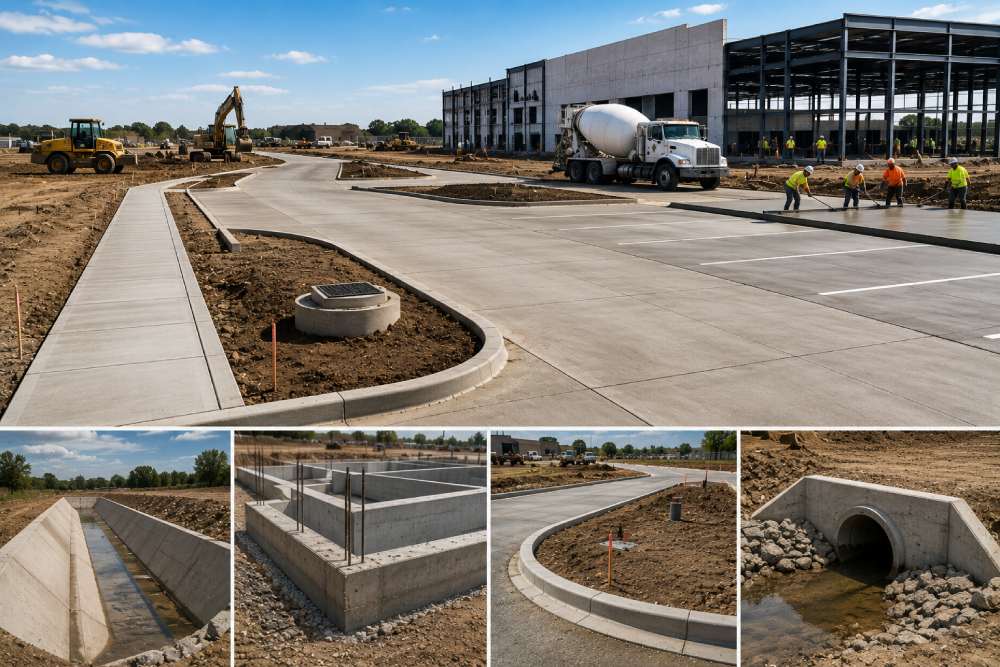
Understanding the steps involved in parking lot construction helps property owners evaluate contractors and ensure quality workmanship. A professional commercial paving contractor will follow a structured process designed to maximize strength and longevity.
1. Site Evaluation and Planning
Every successful project begins with a thorough site analysis. This includes evaluating soil conditions, drainage patterns, traffic loads, and local code requirements. In parts of West Texas, expansive soils require special preparation to prevent cracking and settlement.
Proper planning also includes:
- ADA-compliant layout design
- Traffic flow optimization
- Drainage engineering
- Utility coordination
Skipping this step can result in costly repairs later.
2. Excavation and Subgrade Preparation
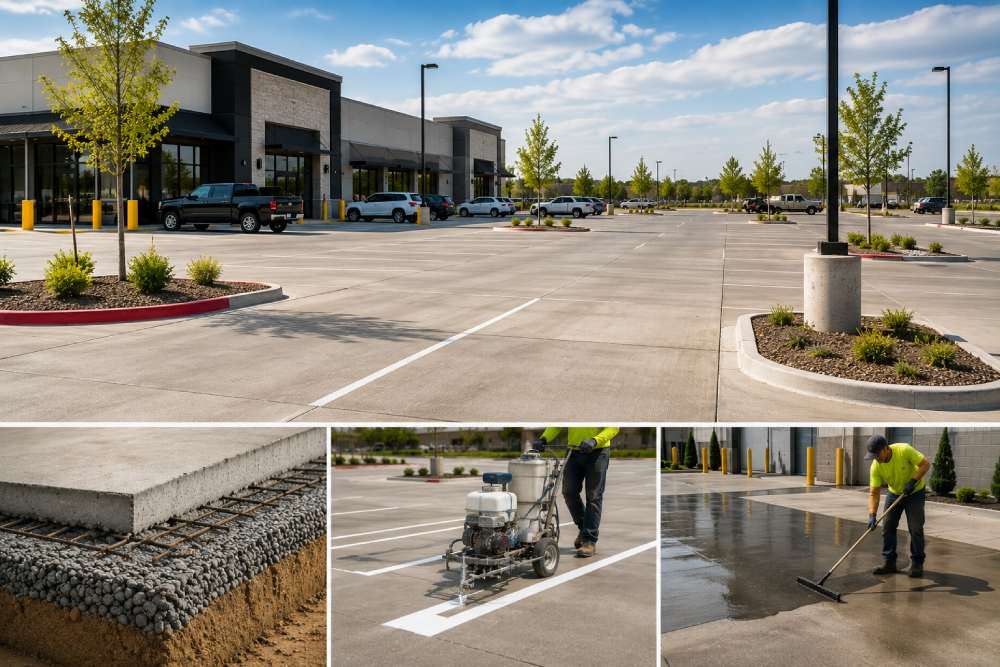
Subgrade stability is critical for any commercial concrete parking lot. Contractors excavate to the appropriate depth and compact the soil to reduce future settling. In weaker soil conditions, a stabilized sub-base may be installed using crushed aggregate or chemical stabilization methods.
A poorly prepared base is one of the main causes of premature pavement failure. Quality compaction and grading ensure water drains away from the pavement surface rather than pooling underneath it.
3. Forms, Reinforcement, and Concrete Placement
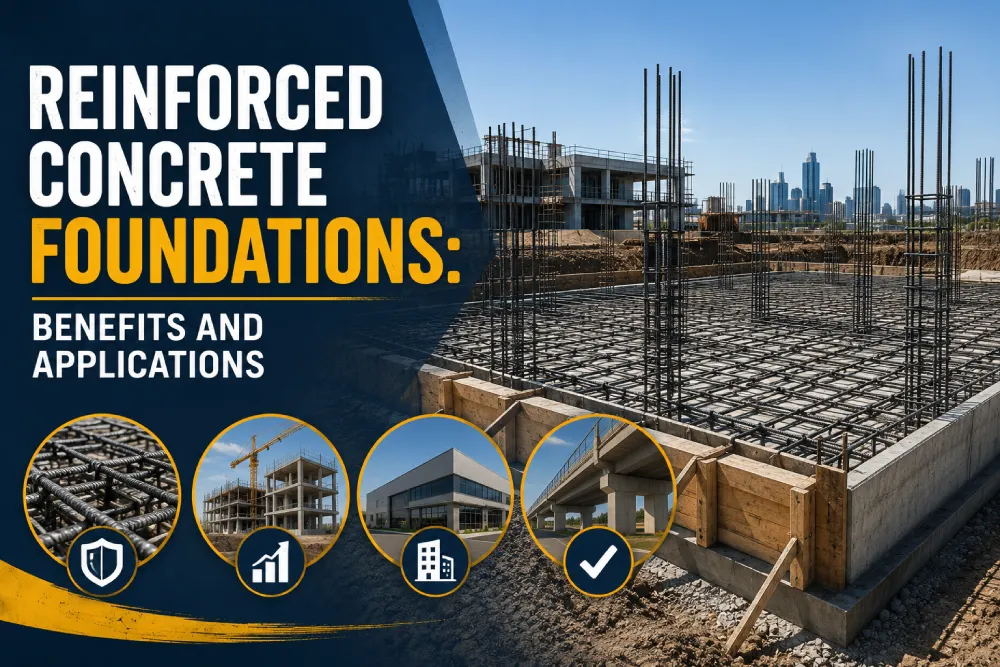
After base preparation, contractors set forms and install reinforcement such as steel rebar or wire mesh. Reinforcement strengthens the slab and controls cracking under heavy loads.
Concrete is then poured, leveled, and finished using specialized equipment. Control joints are carefully placed to manage natural expansion and contraction. In the hot Permian Basin climate, timing and curing practices are especially important to prevent surface defects.
4. Curing and Striping
Proper curing allows the concrete to reach optimal strength. This stage cannot be rushed without compromising durability. Once cured, the surface is striped for parking spaces, traffic markings, and ADA-compliant zones.
A professional commercial paving contractor ensures that striping meets local regulations and maximizes usable parking area.
What Do Commercial Concrete Parking Lots Cost?
Cost is one of the most common questions property owners ask before starting a project. While exact pricing varies, understanding the cost components helps with budgeting and planning.
Factors That Affect Cost
Several variables influence the final investment:
- Size of the parking lot
- Thickness of the concrete slab
- Site preparation requirements
- Soil conditions
- Drainage systems
- Reinforcement needs
- Accessibility of the site
In Midland and Odessa, transportation logistics and material availability can also influence pricing.
Typical Cost Ranges
Although prices fluctuate based on market conditions, commercial concrete parking lots generally cost more upfront than asphalt. However, their durability often means fewer major expenses over time.
| Feature | Concrete Parking Lot | Asphalt Parking Lot |
|---|---|---|
| Upfront Cost | Higher | Lower |
| Lifespan | 30+ years | 15–20 years |
| Maintenance Frequency | Low | Moderate to High |
| Heat Resistance | Excellent | Moderate |
| Heavy Load Capacity | Excellent | Moderate |
For industrial facilities and oilfield-related operations in the Permian Basin, concrete often offers better long-term performance under heavy equipment.
Maintenance Requirements for Commercial Concrete Parking Lots
Even though concrete is low-maintenance, no pavement is maintenance-free. A proactive parking lot maintenance plan extends the life of your investment and prevents small issues from becoming large repairs.
Routine Inspections
Property managers should inspect their lots at least twice per year. Look for:
- Surface cracks
- Joint deterioration
- Drainage issues
- Oil or chemical stains
- Fading striping
Catching problems early is the key to cost-effective maintenance.
Crack and Joint Maintenance
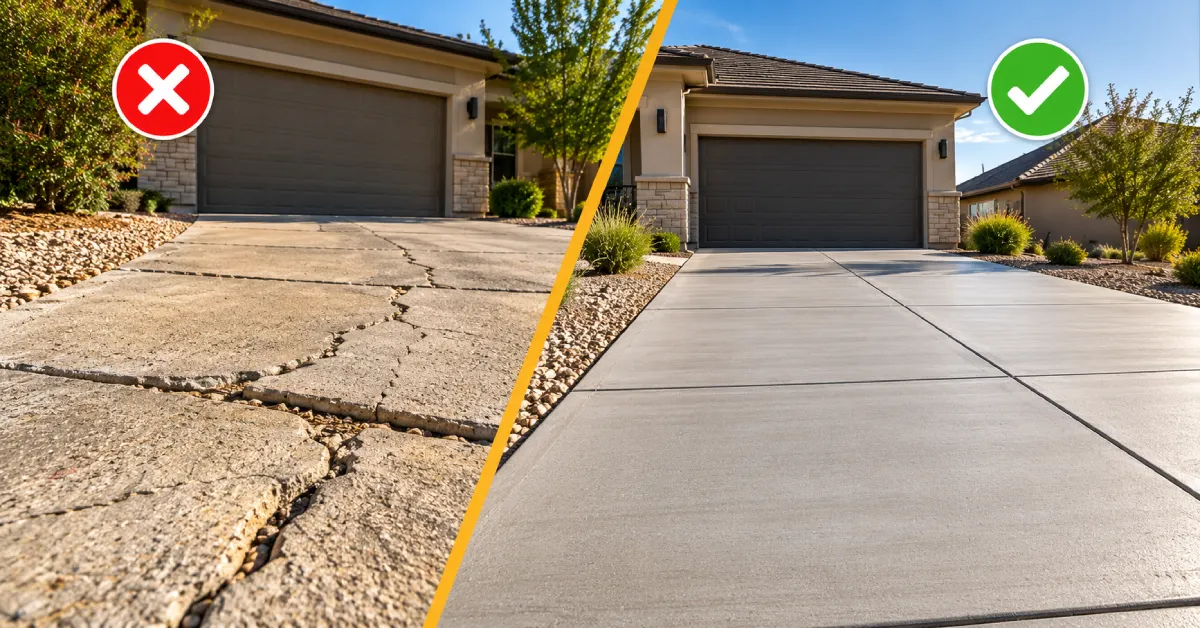
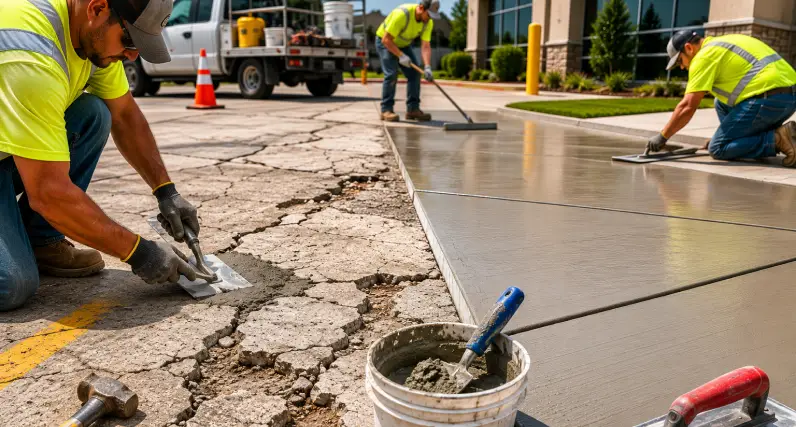
Cracks can develop due to shrinkage, temperature changes, or soil movement. Sealing small cracks prevents moisture infiltration and subgrade erosion. Joint sealants also protect slab edges from damage caused by water penetration and debris.
Regular joint maintenance is particularly important in regions like West Texas, where temperature swings can stress pavement surfaces.
Cleaning and Surface Care
Periodic pressure washing removes dirt, oil, and chemical buildup. For commercial properties such as shopping centers and medical facilities, clean concrete improves appearance and reduces slip hazards.
Oilfield service yards and industrial facilities may require more frequent cleaning due to heavy equipment use. A maintenance plan tailored to your property type ensures optimal performance.
Design Considerations for West Texas Conditions
Commercial concrete parking lots in the Permian Basin face unique environmental challenges. Designing for local conditions ensures better long-term results.
Heat and UV Exposure
Odessa and Midland experience prolonged high temperatures during summer months. Concrete mixes used for these projects should include appropriate additives and curing practices to prevent rapid moisture loss during installation.
Light-colored concrete also reflects heat, helping reduce surface temperature compared to darker alternatives.
Heavy Industrial Traffic
The Permian Basin is known for oil and gas operations, which means many parking areas experience heavy truck traffic. Increased slab thickness and reinforced concrete designs can prevent premature cracking and structural fatigue.
A knowledgeable commercial paving contractor will calculate load requirements based on anticipated vehicle types.
Drainage and Stormwater Management
Even in arid climates, heavy rain events can occur. Proper grading and drainage design prevent standing water that can weaken subgrade soils. Sloping, catch basins, and engineered drainage systems are often incorporated into parking lot construction plans.
When Should You Replace Instead of Repair?
At some point, repairs may no longer be cost-effective. Knowing when to replace your parking area can save money in the long run.
Signs Replacement May Be Necessary
- Extensive cracking throughout the surface
- Severe settlement or subgrade failure
- Drainage problems that cannot be corrected easily
- Frequent patching in multiple areas
- Unsafe pedestrian conditions
If more than 30–40% of the surface requires repair, full replacement is often the better investment.
A qualified commercial paving contractor can evaluate your existing lot and provide guidance based on structural condition and expected lifespan.
Choosing the Right Commercial Paving Contractor
The success of any parking lot construction project depends heavily on contractor experience. Not all contractors specialize in commercial concrete, and technical expertise matters.
What to Look For
When evaluating contractors, consider:
- Experience with commercial concrete parking lots
- Knowledge of local soil and climate conditions
- Proper licensing and insurance
- Clear project timelines and specifications
- Detailed written estimates
Working with a contractor familiar with the Permian Basin ensures local regulations and environmental factors are addressed properly.
Permian Basin Concrete has experience serving business owners, property managers, and industrial clients throughout Odessa, Midland, and surrounding West Texas communities. Local expertise contributes significantly to long-term project success.
Frequently Asked Questions (FAQ)
How long do commercial concrete parking lots last?
With proper installation and parking lot maintenance, commercial concrete parking lots can last 30 years or more. Longevity depends on traffic volume, maintenance practices, and environmental conditions.
Is concrete better than asphalt for commercial properties?
Concrete typically performs better under heavy loads and extreme heat, making it ideal for industrial and high-traffic environments. Although asphalt may have a lower upfront cost, concrete often offers better long-term value.
How soon can vehicles drive on new concrete?
Light foot traffic can typically access the area within 24–48 hours. Vehicle traffic often requires at least 7 days, depending on curing conditions and weather.
How often should a parking lot be inspected?
Twice per year is recommended, with additional inspections after severe weather events. Routine evaluations allow you to address minor issues before they escalate.
Can existing asphalt parking lots be replaced with concrete?
Yes, many commercial properties upgrade from asphalt to concrete during major renovations. The existing material is removed, subgrade issues are corrected, and new reinforced concrete paving is installed.
Get a Free Concrete Project Estimate
If you are planning commercial concrete parking lots, upgrading existing pavement, or developing a new property in Odessa, Midland, or the surrounding Permian Basin region, Permian Basin Concrete is ready to help. The company provides residential, commercial, and industrial concrete services tailored to the demands of West Texas conditions.
From initial site evaluation through final striping, every project is approached with a focus on durability, safety, and long-term performance. Whether you need full parking lot construction, large-scale concrete paving, or ongoing parking lot maintenance support, experienced professionals can guide you through the process.
To schedule your free project consultation and estimate, contact Permian Basin Concrete today at info@permianbasinconcrete.com or visit https://permianbasinconcrete.com. A properly built concrete parking lot is an investment in your property’s future, and the right team ensures it performs for decades to come.