When property owners ask about concrete sidewalk lifespan, they usually want a practical answer: “How long before I have to repair or replace it?” The truth is that a well-built concrete sidewalk can last decades, but its longevity depends on installation quality, soil conditions, climate, and ongoing care.
In West Texas, where heat, expansive clay soils, and occasional freeze-thaw cycles all play a role, understanding sidewalk durability is especially important. Whether you’re a homeowner in Odessa, a commercial property manager in Midland, or overseeing an industrial site in the Permian Basin, knowing what impacts concrete longevity can help you make smarter decisions and protect your investment.
This guide breaks down how long concrete sidewalks typically last, what affects their performance, and how to extend their service life.
What Is the Average Concrete Sidewalk Lifespan?
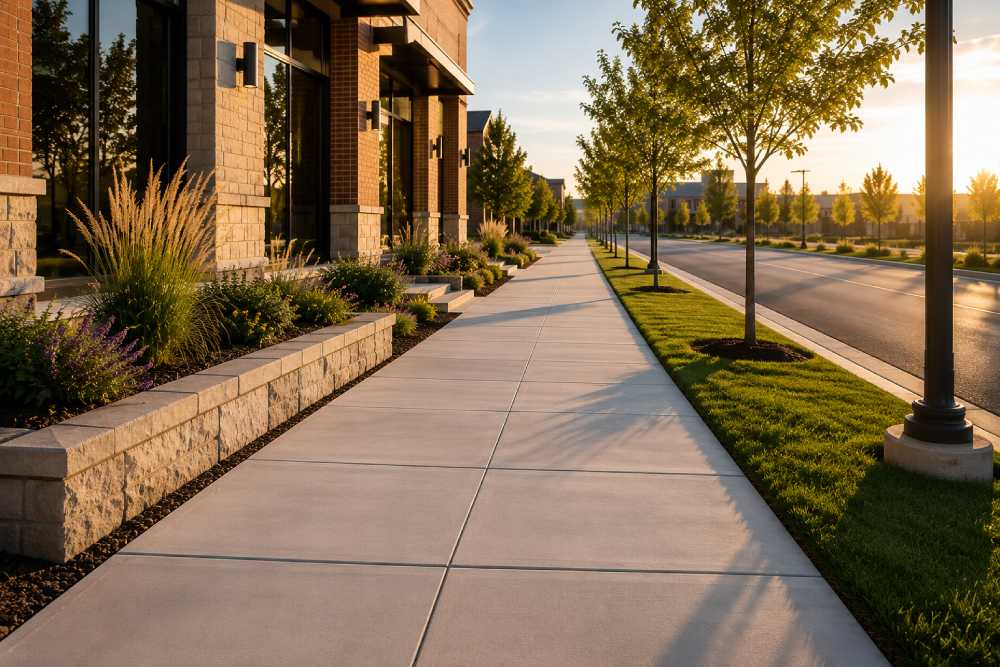
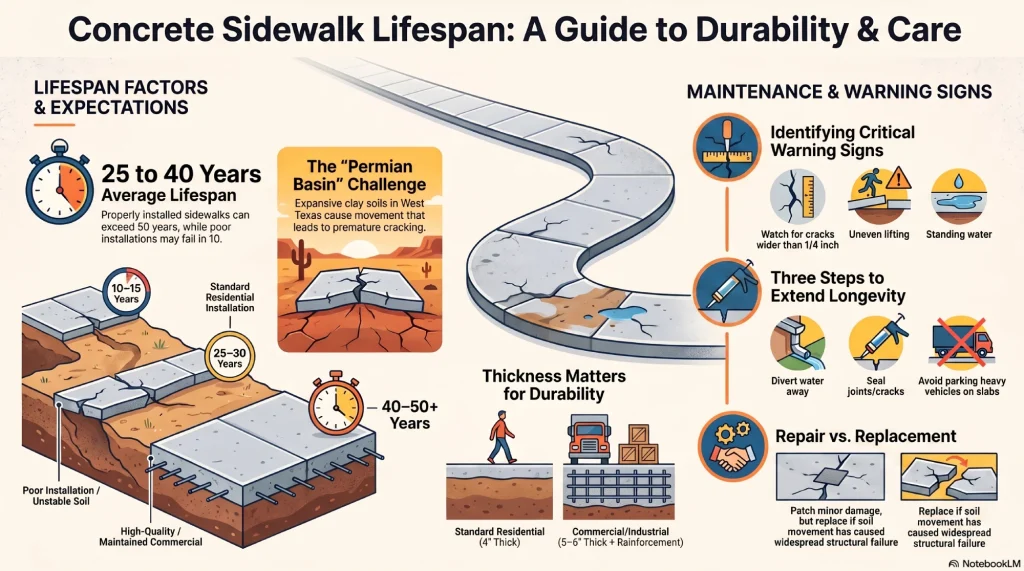
The average concrete sidewalk lifespan is between 25 and 40 years. In some cases, properly installed sidewalks can last 50 years or more. However, sidewalks that are poorly installed or subjected to harsh conditions may begin cracking or settling within 10 to 15 years.
Several factors determine whether your sidewalk falls on the shorter or longer end of that range:
- Concrete mix design
- Quality of subgrade preparation
- Proper thickness and reinforcement
- Joint placement
- Drainage conditions
- Traffic load
- Ongoing sidewalk maintenance
In Odessa and Midland, expansive clay soils—common throughout the Permian Basin—can significantly impact sidewalk durability. If soil movement is not properly accounted for during installation, even high-quality concrete can crack prematurely.
Key Factors That Affect Concrete Longevity
Concrete is strong and durable, but it is not indestructible. Understanding what impacts concrete longevity helps property owners anticipate potential issues before they become costly repairs.
1. Soil Conditions in West Texas
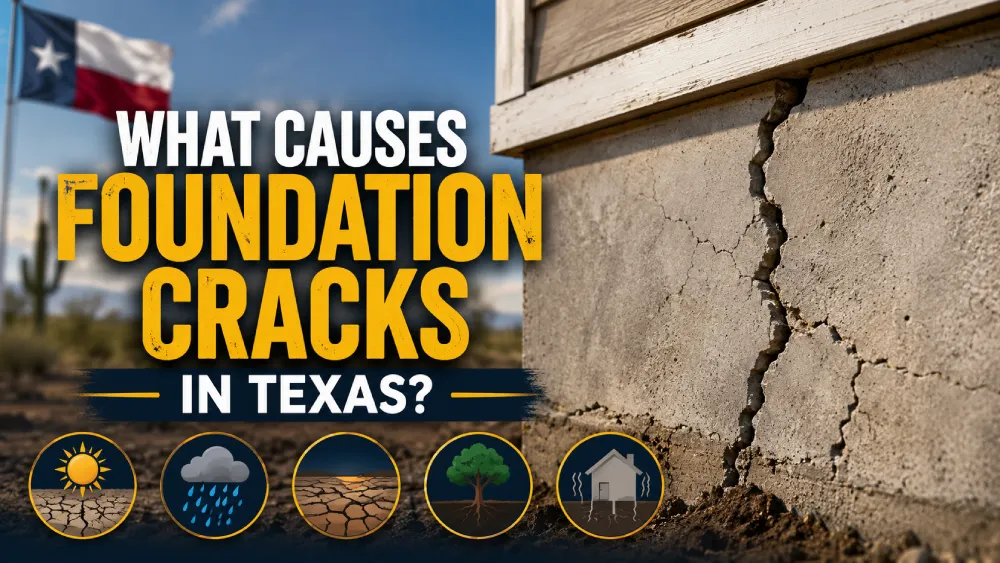
The Permian Basin region is known for active clay soils that expand when wet and shrink during dry periods. This constant movement can lead to:
- Cracking
- Vertical displacement
- Uneven walkways
- Trip hazards
Proper subgrade preparation, compaction, and sometimes stabilization are critical to maintaining sidewalk durability over time.
2. Concrete Thickness and Reinforcement
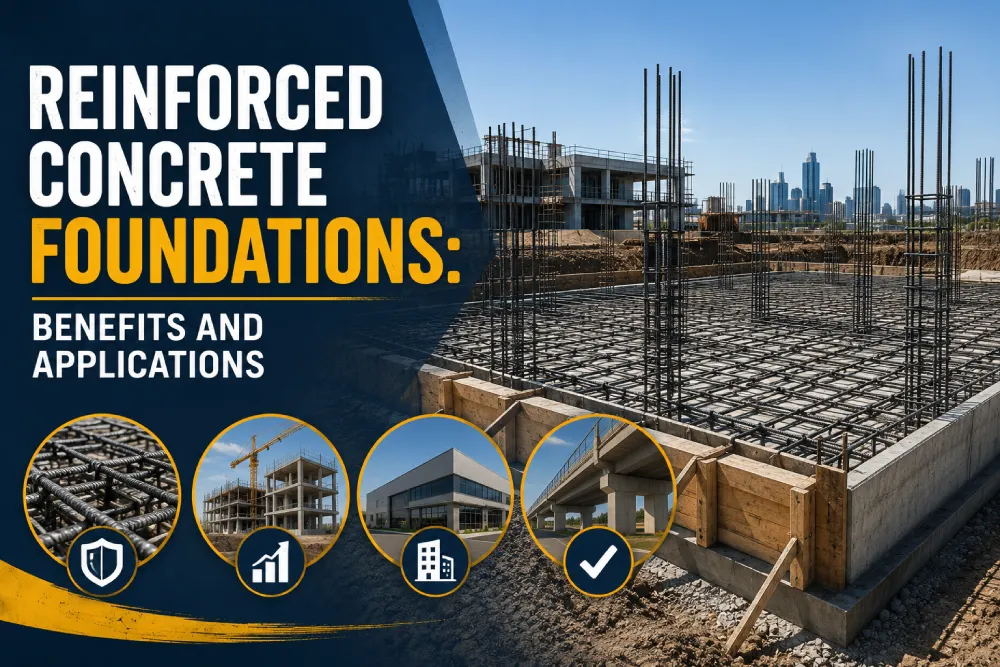
Most residential sidewalks are 4 inches thick, which is sufficient for pedestrian traffic. However, commercial or industrial areas with occasional light vehicle traffic may require:
- 5–6 inches thickness
- Rebar or wire mesh reinforcement
Thicker, reinforced sidewalks are more resistant to cracking and shifting.
3. Installation Quality
Even the best concrete mix cannot compensate for poor installation practices. Key components of a long-lasting sidewalk include:
- Proper base preparation
- Correct slope for drainage
- Control joint placement
- Adequate curing time
When shortcuts are taken, walkway replacement often becomes necessary far sooner than expected.
4. Climate Exposure
West Texas summers bring intense heat and UV exposure. While concrete handles heat well, rapid moisture loss during curing can weaken surface strength if not properly managed. Occasional freeze-thaw cycles in winter can also cause surface scaling if water penetrates the slab.
5. Traffic and Use
Sidewalks in residential neighborhoods experience different traffic than those in commercial centers or industrial facilities. Excessive weight loads on walkways designed for foot traffic can shorten the effective concrete sidewalk lifespan.
How to Tell If Your Sidewalk Is Nearing the End of Its Life
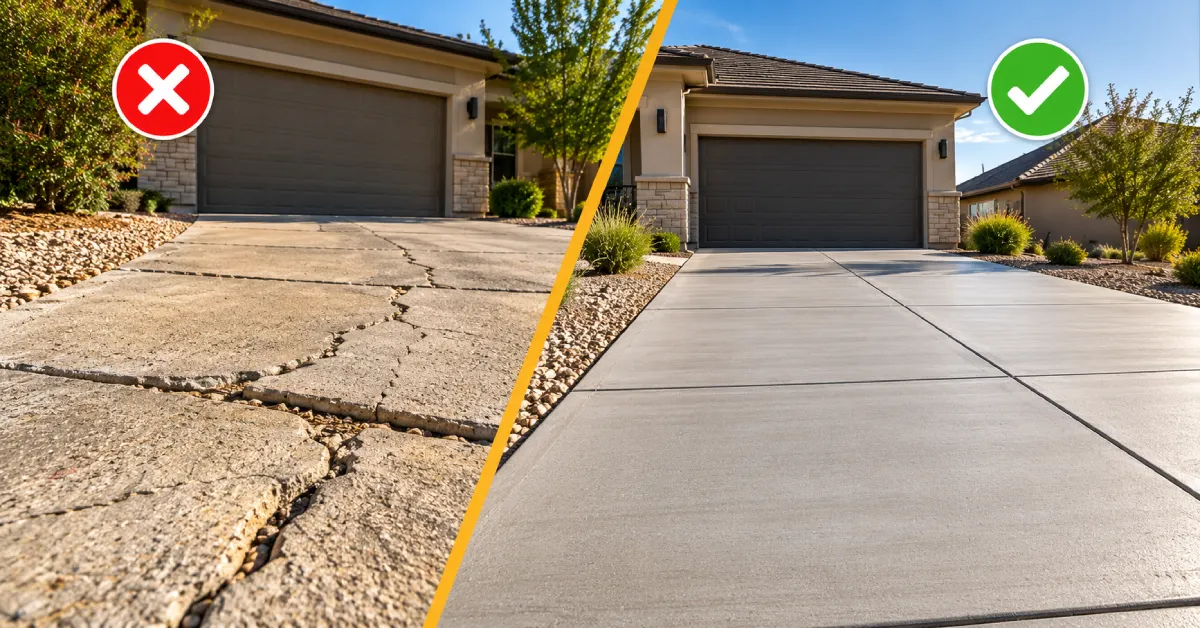
Many property owners wonder whether cracks or uneven sections mean immediate replacement is required. Not all damage signals structural failure, but some indicators suggest walkway replacement may be necessary.
Warning Signs to Watch For
- Large cracks wider than 1/4 inch
- Sections that are uneven or uplifted
- Frequent spalling or flaking surfaces
- Drainage issues causing standing water
- Multiple patch repairs failing
Small hairline cracks are typically cosmetic. However, widespread cracking or shifting often indicates underlying soil movement or structural compromise.
For commercial and industrial properties in Midland or Odessa, trip hazards can create liability concerns. Addressing these issues promptly reduces risk while preserving curb appeal.
Sidewalk Repair vs. Walkway Replacement
A common question property owners ask is whether repairs will extend the life of the sidewalk or if full replacement is more cost-effective.
When Repairs Make Sense
Minor damage can often be corrected with:
- Crack filling
- Surface patching
- Leveling or lifting
- Joint resealing
These methods are typically suitable when the underlying slab is still structurally sound.
When Replacement Is the Better Option
Replacement may be necessary when:
- Multiple slabs are severely cracked.
- Soil movement continues to cause settlement.
- The sidewalk has exceeded its intended service life.
- Drainage design is fundamentally flawed.
While repairs cost less upfront, repeated fixes can surpass the cost of a new sidewalk if problems persist. Evaluating the overall concrete sidewalk lifespan helps guide that decision.
How to Extend the Lifespan of a Concrete Sidewalk
Routine sidewalk maintenance can add years—sometimes decades—to concrete performance.
Keep Water Away from the Slab
Proper drainage is one of the most important factors in sidewalk durability. Ensure that:
- Downspouts direct water away from walkways
- Adjacent landscaping does not trap moisture
- Soil grading slopes away from concrete
Water infiltration weakens supporting soil and increases the risk of movement.
Seal Joints and Cracks
Sealing control joints and minor cracks helps reduce:
- Moisture intrusion
- Expansion damage
- Surface deterioration
Regular inspections allow small problems to be addressed before they expand.
Avoid Heavy Loads
Sidewalks are typically designed for foot traffic. Parking vehicles or placing heavy equipment on standard 4-inch slabs may lead to premature cracking.
Schedule Periodic Inspections
For commercial and industrial properties in the Permian Basin, periodic evaluations help identify safety risks early. Proactive repairs are almost always less expensive than emergency replacements.
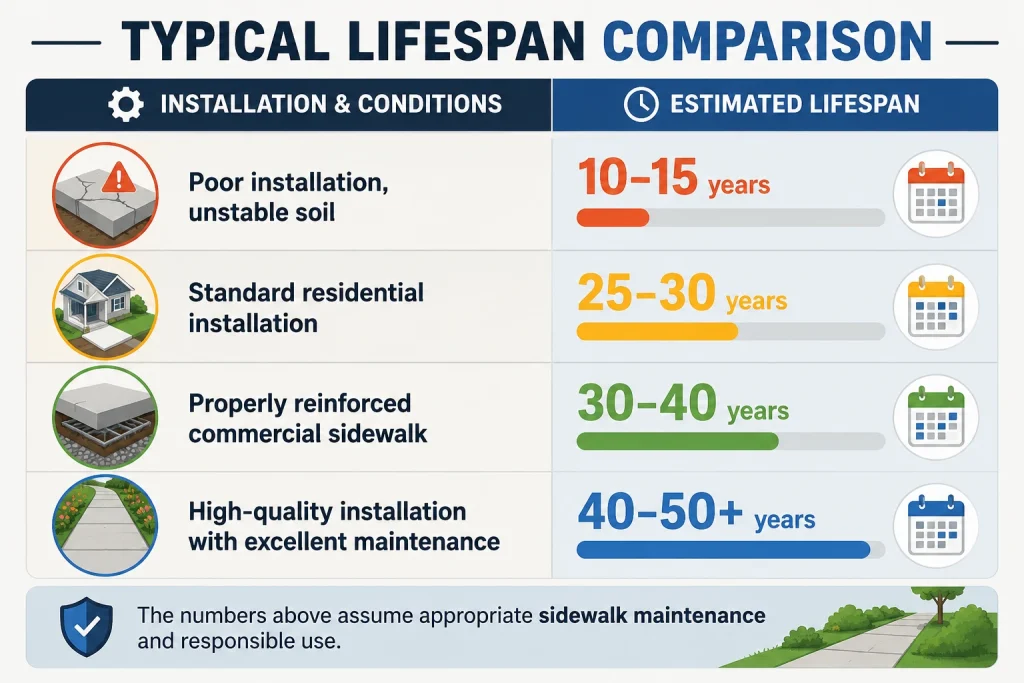
Typical Lifespan Comparison Table
| Installation & Conditions | Estimated Lifespan |
|---|---|
| Poor installation, unstable soil | 10–15 years |
| Standard residential installation | 25–30 years |
| Properly reinforced commercial sidewalk | 30–40 years |
| High-quality installation with excellent maintenance | 40–50+ years |
The numbers above assume appropriate sidewalk maintenance and responsible use.
Why Professional Installation Matters in the Permian Basin
Concrete longevity starts the day the forms are set. In West Texas, professional contractors account for specific regional challenges such as:
- Expansive clay subsoils
- High summer temperatures
- Rapid moisture evaporation
- Occasional freeze events
Experienced crews ensure proper compaction and consideration of soil movement before pouring concrete. They also carefully place expansion joints to help control cracking and improve sidewalk durability.
For property managers and developers throughout Odessa and Midland, selecting knowledgeable contractors reduces long-term risk. Cutting corners on base preparation or joint placement may not be visible at first but often shows within just a few years.
Residential vs. Commercial and Industrial Sidewalk Lifespan
Not all sidewalks are built or used the same way. Understanding usage expectations helps set realistic lifespan projections.
Residential Sidewalks
- Designed primarily for foot traffic
- Typically 4 inches thick
- Moderate exposure to daily wear
Well-installed residential sidewalks in West Texas can often reach or exceed 30 years with proper maintenance.
Commercial Sidewalks
- Higher foot traffic
- Occasional carts or equipment
- Increased liability concerns
These projects often require reinforcement and thicker pours to enhance durability.
Industrial and Oilfield Facilities
Industrial environments in the Permian Basin may involve:
- Equipment carts
- Vehicle crossings
- Chemical exposure
- Heavy use cycles
In these cases, customized concrete specifications are critical to maximizing the concrete sidewalk lifespan.
Common Questions Property Owners Ask Before Installation
Before starting a new walkway project, many clients want clarity on performance expectations.
How thick should my sidewalk be?
Standard pedestrian walkways are typically 4 inches thick. Areas with heavier use may require 5–6 inches with reinforcement.
Will concrete crack eventually?
Yes. Concrete naturally develops small cracks over time. Properly placed control joints help manage where cracking occurs, preserving structural performance and appearance.
Is rebar necessary for sidewalks?
For residential sidewalks, reinforcement is sometimes optional but beneficial. For commercial applications, reinforcement significantly improves sidewalk durability.
Does sealing concrete extend its life?
Sealing can improve surface resistance to moisture and chemicals, contributing to better long-term concrete longevity.
Concrete Sidewalk Lifespan in Odessa and Midland
Sidewalks in the Permian Basin face unique stresses compared to milder climates. The combination of heat, soil movement, and occasional freeze-thaw conditions means installation quality is especially important.
Property owners in Odessa and Midland benefit from working with contractors who understand regional conditions and implement proper preparation techniques. With the right approach, sidewalks in West Texas can match or exceed the national average lifespan.
Frequently Asked Questions (FAQ)
How long does a concrete sidewalk last in West Texas?
A properly installed sidewalk in the Permian Basin generally lasts 25 to 40 years, though superior installation and maintenance can extend that timeframe beyond 50 years.
What shortens sidewalk durability the most?
Poor soil preparation, improper drainage, and excessive weight loads are the leading causes of premature failure.
When should I consider walkway replacement instead of repair?
If cracking is widespread, sections are uneven, or multiple repairs have failed, replacement is often more cost-effective long term.
Are cracks always a sign of structural issues?
Not necessarily. Hairline cracks are common and typically cosmetic. Wider cracks or displacement suggest structural concerns.
How can I maximize concrete longevity?
Invest in professional installation, ensure proper drainage, address small cracks early, and avoid placing heavy loads on pedestrian-designed slabs.
Get a Free Concrete Project Estimate
If you are planning a new sidewalk project or evaluating an existing walkway, Permian Basin Concrete provides professional residential, commercial, and industrial concrete services throughout Odessa, Midland, and the surrounding Permian Basin region.
Our team understands the soil conditions and climate challenges unique to West Texas. Whether you need new installation, repairs, or full walkway replacement, we provide practical solutions designed for long-term performance.
To schedule a free project consultation and estimate, contact Permian Basin Concrete today at info@permianbasinconcrete.com. Let’s build sidewalks that are durable, safe, and engineered to last for decades.