Understanding concrete slab cost is one of the most important steps when planning a residential, commercial, or industrial construction project. Whether you are building a new home in Odessa, expanding a retail space in Midland, or developing an industrial facility in the Permian Basin, the slab is literally the foundation of your investment. Making informed decisions early can help you avoid budget overruns and costly structural issues down the road.
Concrete slabs may look simple on the surface, but slab pricing depends on several critical factors, including site preparation, soil conditions, reinforcement requirements, thickness, and labor. In West Texas, climate, expansive soils, and oilfield activity can also influence overall construction costs. This guide breaks down what property owners need to know about concrete installation cost so you can confidently plan your project and work effectively with a qualified slab contractor.
What Is Included in Concrete Slab Cost?
Many property owners assume concrete slab cost is just the price of concrete per square foot. In reality, it includes far more than the material itself. A professionally installed slab involves planning, engineering considerations, proper site preparation, and careful placement.
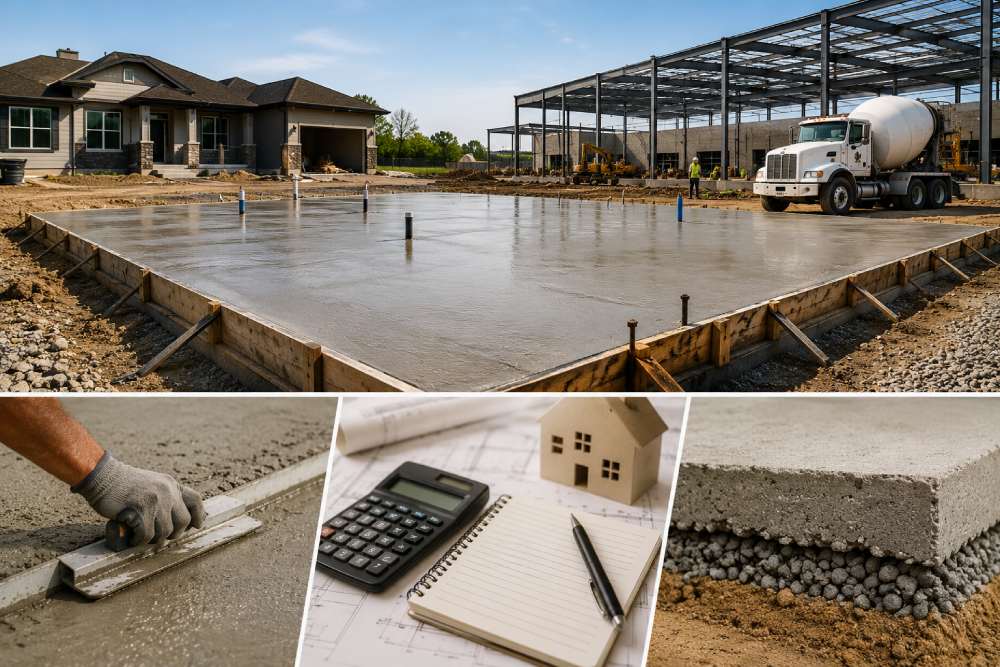
A complete slab project typically includes:
- Site clearing and grading
- Soil testing and compaction
- Formwork installation
- Vapor barriers (for interior slabs)
- Reinforcement (rebar or wire mesh)
- Concrete delivery and placement
- Finishing and curing
- Saw-cut control joints
Each of these steps affects slab pricing and long-term durability. Cutting corners during installation may reduce upfront concrete installation cost, but it often leads to cracking, settling, and expensive repairs later.
In areas like Odessa and Midland, expansive clay soils can significantly impact foundation performance. That is why experienced slab contractors in the Permian Basin pay close attention to subgrade preparation and reinforcement design.
Average Concrete Slab Pricing in West Texas
While every project is different, most concrete slab cost estimates are calculated per square foot. In West Texas, slab pricing generally depends on project size, thickness, reinforcement, and intended use.
Below is a general comparison table for educational purposes:
| Slab Type | Typical Thickness | Estimated Cost per Sq Ft* |
|---|---|---|
| Residential Patio Slab | 4 inches | $5 – $8 |
| Standard Residential Foundation | 4–6 inches | $6 – $10 |
| Garage Slab (Reinforced) | 5–6 inches | $8 – $12 |
| Commercial Building Slab | 6+ inches | $9 – $15+ |
| Industrial Equipment Slab | 8+ inches | $12 – $20+ |
*Costs vary based on site conditions, materials, engineering requirements, and local market factors.
In the Permian Basin region, fuel prices, labor demand, and oilfield activity can affect construction costs. During periods of heavy commercial growth, slab contractor availability may also influence scheduling and pricing.
Key Factors That Affect Concrete Installation Cost
No two projects are alike, which is why accurate slab pricing requires a site-specific evaluation. Below are the main factors that impact total concrete slab cost.
1. Site Preparation and Soil Conditions
Site preparation is often one of the biggest cost variables. If the site requires:
- Demolition of existing concrete
- Removal of unstable soils
- Extensive grading
- Importing fill material
Expect the concrete installation cost to increase accordingly.
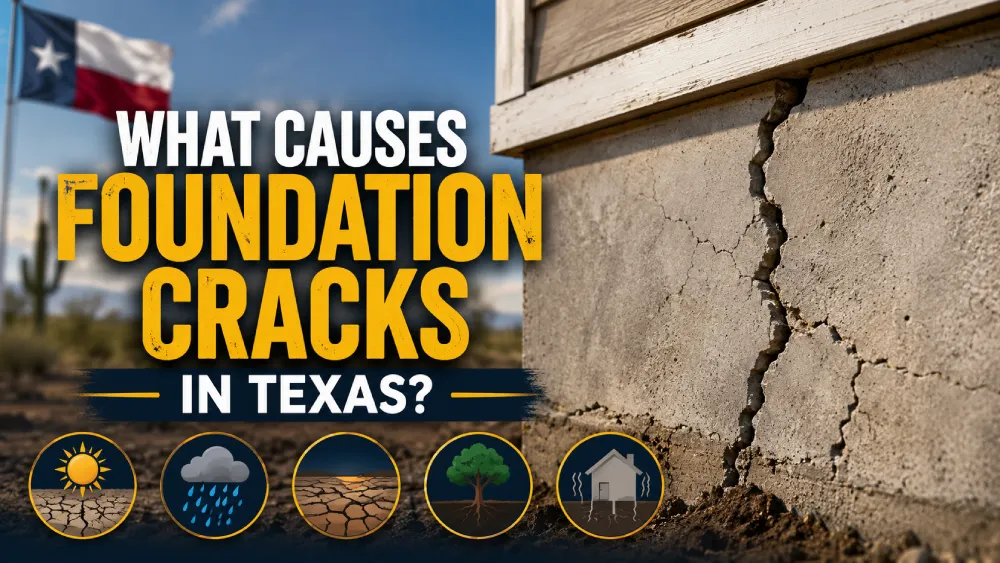
In West Texas, expansive clay soils can cause shifting and cracking if not properly compacted. A thorough evaluation and proper base preparation reduce the risk of foundation movement over time.
2. Slab Thickness and Reinforcement
Thicker slabs require more concrete and more reinforcement. For example:
- A residential patio may only require a 4-inch slab.
- A commercial warehouse floor may require 6 inches or more.
- Industrial facilities may need 8 inches or thicker, depending on equipment loads.
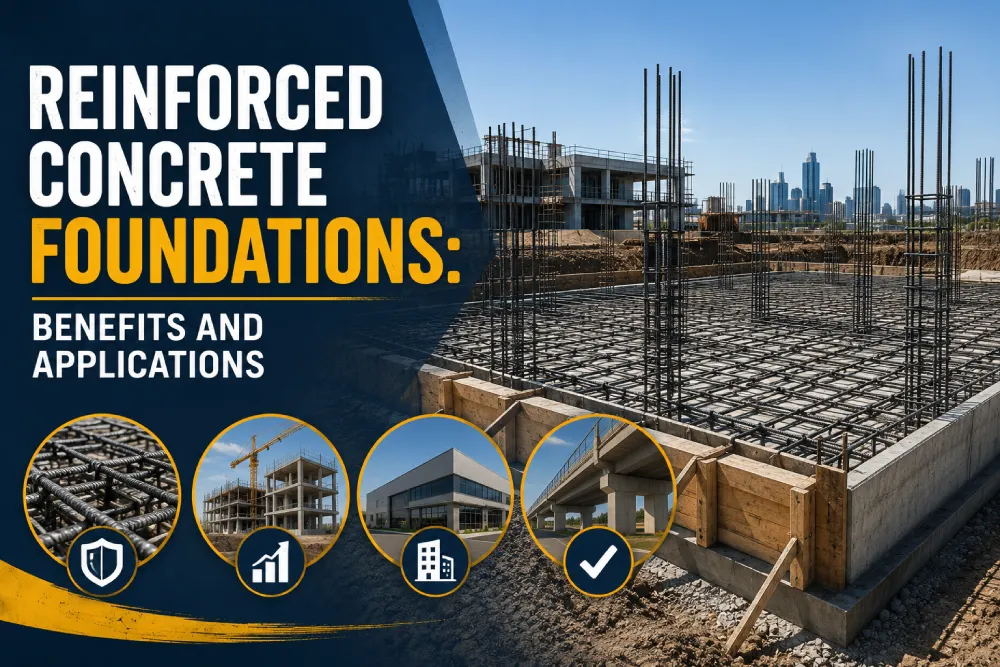
Reinforcement options such as rebar grids, post-tension cables, or fiber additives add to slab pricing but significantly improve strength and crack resistance.
3. Size and Complexity of the Project
Larger slabs can lower per-square-foot costs due to efficiency, but complexity can increase them. Projects with:
- Multiple elevation changes
- Heavy load zones
- Custom edges or thickened footings
- Embedded utilities or plumbing
typically require more labor and coordination, increasing overall construction costs.
4. Finishing Requirements
The finish of a slab affects both aesthetics and price. Common options include:
- Broom finish (standard exterior)
- Smooth trowel finish (interior)
- Decorative stamped concrete
- Stained or sealed finishes
Decorative and architectural finishes require additional skill and labor, which increases total concrete installation cost.
Concrete Slab Cost for Residential Projects
For homeowners in Odessa and Midland, slab pricing commonly applies to:
- New home foundations
- Home additions
- Driveways and sidewalks
- Patios and outdoor living areas
- Detached garages or workshops
Slab-on-Grade Foundations
A slab-on-grade foundation is common in West Texas due to soil and climate conditions. Concrete slab cost for homes often includes:
- Perimeter footings
- Interior grade beams
- Vapor barriers
- Plumbing rough-ins
This type of foundation provides a solid, low-maintenance base when properly engineered and installed.
Driveways and Patios
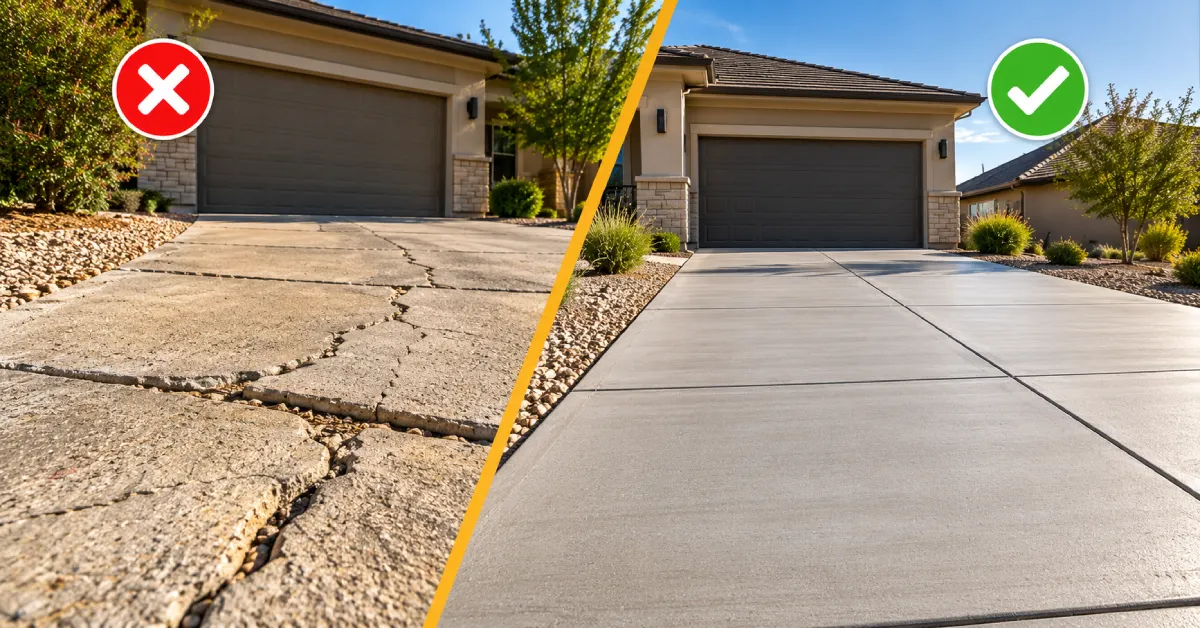
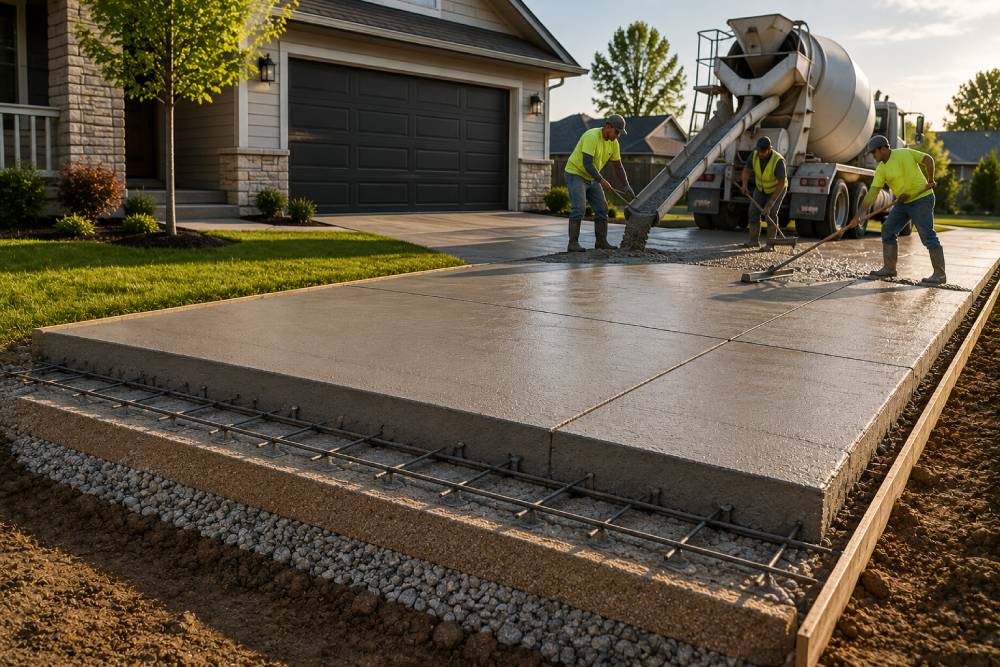
Driveways require additional reinforcement compared to patios because they support vehicle loads. A slab contractor may recommend thicker sections near entry points and reinforcement throughout to reduce cracking.
Well-installed exterior slabs also improve curb appeal and property value, making them a solid long-term investment.
Concrete Slab Cost for Commercial and Industrial Buildings
Commercial and industrial projects involve different structural demands. In the Permian Basin, these may include:
- Retail centers
- Office buildings
- Warehouses
- Equipment yards
- Oilfield support facilities
Heavy Load Requirements
Industrial slabs often need:
- Increased thickness
- Steel reinforcement grids
- Engineered strength ratings
- Control joint planning for large surfaces
Improper slab design can lead to surface failure under heavy equipment or constant traffic, resulting in expensive downtime and repairs.
Coordination With Other Trades
For commercial construction, slab contractor coordination with plumbing, electrical, and structural teams is essential. Poor coordination can delay schedules and raise construction costs significantly.
An experienced contractor ensures anchor bolts, embeds, and utility penetrations are correctly placed before the pour, avoiding costly corrections later.
How to Compare Slab Pricing From Contractors
When reviewing quotes, the lowest bid is not always the best option. Instead of simply comparing price per square foot, evaluate what each estimate includes.
Step 1: Review Scope of Work
Make sure the proposal outlines:
- Site prep details
- Concrete thickness
- Reinforcement type
- Number of control joints
- Cleanup and finishing procedures
A vague estimate often leads to change orders.
Step 2: Confirm Insurance and Experience
In Midland, Odessa, and throughout West Texas, projects can range from simple patios to large industrial slabs. Make sure your slab contractor has:
- General liability insurance
- Workers’ compensation coverage
- Experience with similar projects
Concrete work is permanent. Errors are expensive to fix, so working with an experienced team protects your investment.
Ways to Manage and Reduce Concrete Installation Cost
While you should never cut structural corners, there are smart ways to manage slab pricing.
Plan Ahead
Scheduling work in advance can help avoid peak-season price increases. In fast-growing areas of the Permian Basin, demand can fluctuate based on commercial development activity.
Choose the Right Slab for the Application
Overbuilding a slab increases costs unnecessarily, while underbuilding leads to structural failure. A knowledgeable slab contractor will balance structural needs with cost efficiency.
Ensure Proper Site Access
Limited jobsite access can increase labor and equipment costs. Make sure driveways, gates, and staging areas are prepared before the crew arrives.
Long-Term Value vs. Upfront Construction Costs
It can be tempting to focus only on initial concrete slab cost. However, quality installation reduces maintenance and repair costs for decades.
Well-installed slabs provide:
- Improved structural performance
- Reduced cracking and settling
- Better load distribution
- Increased property value
In West Texas, temperature swings and soil movement can stress poorly installed slabs. Investing in proper installation today helps prevent foundation repairs tomorrow.
Frequently Asked Questions (FAQ)
How much does a concrete slab cost per square foot?
Concrete slab cost typically ranges from $5 to $20 per square foot depending on thickness, reinforcement, and site conditions. Residential projects tend to fall on the lower end, while industrial slabs cost more due to engineering requirements.
How long does it take to install a concrete slab?
Most residential slabs can be poured in one day, but preparation may take several days. Larger commercial or industrial projects may take weeks, depending on size and complexity.
Is a thicker slab always better?
Not necessarily. The slab should be engineered for its intended load. Excess thickness increases slab pricing without providing additional benefit if it is not structurally required.
Does soil in West Texas affect slab design?
Yes. Expansive clay soils in the Permian Basin can cause shifting and cracking if not properly addressed. Proper compaction, reinforcement, and engineering reduce long-term issues.
How do I choose the right slab contractor?
Look for experience, insurance coverage, clear communication, detailed estimates, and strong knowledge of local construction conditions in Odessa, Midland, and the surrounding region.
Get a Free Concrete Project Estimate
Planning a new build or expansion and need clarity on your concrete slab cost? Permian Basin Concrete provides residential, commercial, and industrial concrete services throughout Odessa, Midland, and the surrounding Permian Basin region.
Whether you are installing a home foundation, a commercial building slab, or an industrial equipment pad, our team can evaluate your site, explain your slab pricing options, and provide a detailed estimate tailored to your project needs. We focus on proper preparation, quality materials, and professional installation to help protect your investment.
To schedule a free project consultation and estimate, contact Permian Basin Concrete today at:
Email: permianbasinconcrete@gmail.com
Website: https://permianbasinconcrete.com
Reach out today to discuss your upcoming project and get expert guidance on your concrete installation cost in West Texas.