A well-built patio adds value, beauty, and functionality to your property, but without proper concrete patio maintenance, even the best installation can deteriorate over time. In West Texas, where heat, dust, sudden storms, and shifting soils are common, maintaining your concrete patio is not just about appearance—it is about long-term performance and structural integrity.
Whether you are a homeowner in Odessa, a property manager in Midland, or a business owner anywhere in the Permian Basin, understanding basic concrete care can significantly extend your patio’s lifespan. This guide breaks down practical, real-world maintenance strategies to protect your investment and maximize patio longevity.
Why Concrete Patio Maintenance Is Critical in West Texas
Concrete is one of the most durable building materials available, but it is not maintenance-free. The harsh climate conditions in West Texas present unique challenges that can accelerate wear if ignored.
In the Permian Basin region, patios are exposed to:
- Intense summer heat that can cause expansion and surface stress
- Rapid temperature shifts that contribute to cracking
- Wind-driven dust and debris that erode the surface
- Occasional heavy rains that saturate the soil and undermine support
Without proactive concrete patio maintenance, minor issues like hairline cracks or surface stains can develop into more significant structural concerns. Regular inspection and upkeep help ensure your patio remains safe, attractive, and structurally sound for years.
Routine Patio Cleaning: The Foundation of Concrete Care
Consistent patio cleaning is the most basic yet essential step in maintaining any concrete surface. Dirt, organic debris, oil stains, and rust marks not only look unsightly but can also degrade the concrete’s surface over time.
How Often Should You Clean a Concrete Patio?
For most residential properties in Odessa and Midland, a thorough cleaning at least twice a year is recommended. However, high-traffic patios or commercial spaces may require more frequent attention.
If your patio is located near landscaping, trees, or oilfield environments where dust accumulation is heavy, quarterly cleaning may be necessary to prevent build-up.
Step-by-Step Patio Cleaning Process
- Remove loose debris using a broom or leaf blower.
- Pre-rinse with water to loosen dirt and embedded particles.
- Apply a mild concrete-safe cleaner tailored to the type of stain.
- Scrub with a stiff-bristle brush to lift grime from the surface.
- Rinse thoroughly with a hose or pressure washer (moderate pressure).
When using a pressure washer, avoid excessive pressure that can etch or damage the surface. Proper patio cleaning preserves the finish and prepares the surface for sealing when needed.
Patio Sealing: Protecting Against Moisture and Wear
One of the most effective concrete care strategies is regular patio sealing. A high-quality sealer creates a protective barrier that resists moisture penetration, staining, and surface deterioration.
Why Patio Sealing Matters
Unsealed concrete is porous. That means it absorbs water, oil, and contaminants, which can:
- Cause surface scaling and flaking
- Lead to freeze-thaw damage during winter cold snaps
- Encourage mold or mildew growth in shaded areas
- Increase the likelihood of staining
In West Texas, patio sealing is particularly important due to sudden rain events following long dry periods. Rapid moisture absorption can stress the concrete surface and foundation layers.
How Often Should You Seal a Patio?
| Patio Type | Sealing Frequency |
|---|---|
| Standard broom-finished concrete | Every 2–3 years |
| Stamped or decorative concrete | Every 1–3 years |
| High-traffic commercial patios | Every 1–2 years |
If water no longer beads on the surface or the finish appears dull and chalky, it may be time to reseal.
Inspecting for Cracks and Surface Damage
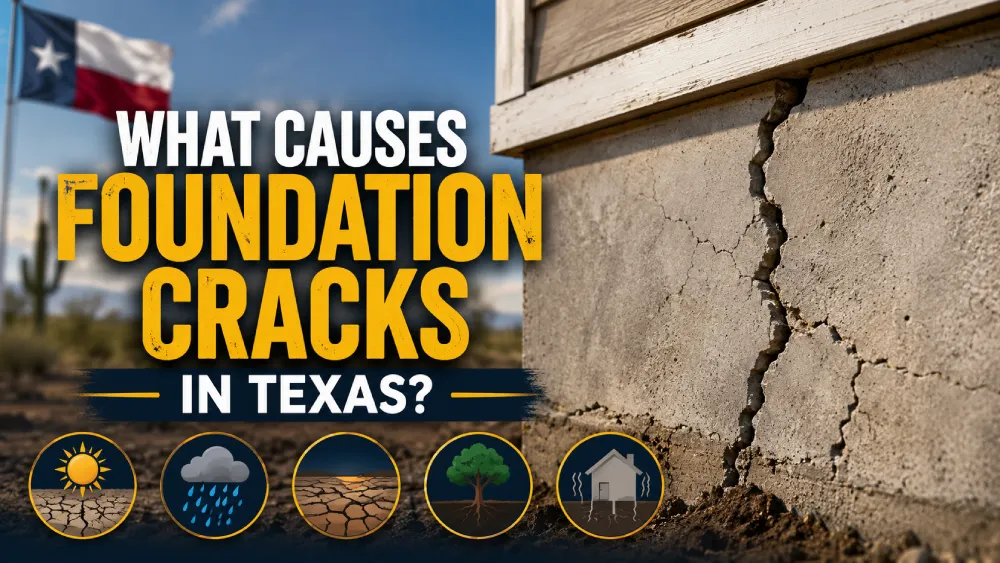
Cracks are common in concrete, especially in expansive soils found throughout the Permian Basin. However, not all cracks require immediate repair. The key is knowing the difference between cosmetic and structural concerns.
Hairline Cracks vs. Structural Cracks
Hairline cracks are typically caused by shrinkage during curing. These are often cosmetic and can be sealed to prevent moisture intrusion.
Structural cracks, however, may indicate:
- Soil movement
- Inadequate base preparation
- Improper joint spacing
- Excessive load stress
If cracks widen beyond 1/8 inch or show vertical displacement, professional evaluation is recommended. Addressing small issues early is one of the best ways to improve patio longevity.
Managing Drainage and Water Runoff
Improper drainage is one of the leading causes of premature patio failure. Water should always flow away from structures and not pool on the concrete surface.
Signs of Drainage Problems
- Standing water after rainfall
- Erosion around the patio edges
- Settlement or uneven sections
- Soil pulling away from the slab
Correct drainage often involves adjusting surrounding grade, installing channel drains, or extending downspouts. In some cases, lifting or replacing sections may be necessary. For property owners in Midland and Odessa, where soil movement is common, drainage design should never be overlooked.
Preventing Stains and Surface Discoloration
Concrete patios are vulnerable to various stains, particularly in residential and commercial settings.
Common staining sources include:
- Cooking grease from grills
- Rust from outdoor furniture
- Oil leaks from vehicles
- Organic debris such as leaves and mulch
- Hard water runoff
Best Practices for Preventing Stains
- Use grill mats beneath cooking equipment.
- Avoid leaving metal objects directly on concrete.
- Clean spills immediately to prevent absorption.
- Apply breathable sealers regularly.
Taking these proactive measures supports overall concrete care and reduces the need for aggressive cleaning methods later.
Winter and Summer Maintenance Considerations
Even though West Texas is known for its heat, seasonal temperature changes still affect concrete.
Summer Maintenance
Extreme heat can dry out surface moisture quickly, increasing the risk of cracking. During prolonged heat waves:
- Lightly rinse patios to reduce surface temperature.
- Avoid applying sealers during peak heat.
- Inspect expansion joints for deterioration.
Winter Maintenance
Although snow is infrequent in the Permian Basin, freezing nights do occur. Avoid using deicing chemicals containing ammonium nitrate or ammonium sulfate, as they can damage concrete surfaces.
Sand is a safer alternative to improve traction without compromising the structure.
When to Repair vs. Replace Your Concrete Patio
One of the most common questions property owners ask is whether to repair existing concrete or invest in full replacement. The answer depends on the extent of damage and long-term goals.
Repairs Are Suitable When:
- Cracks are isolated and stable.
- Surface scaling is minor.
- Drainage can be corrected without demolition.
- The base remains structurally sound.
Replacement May Be Necessary When:
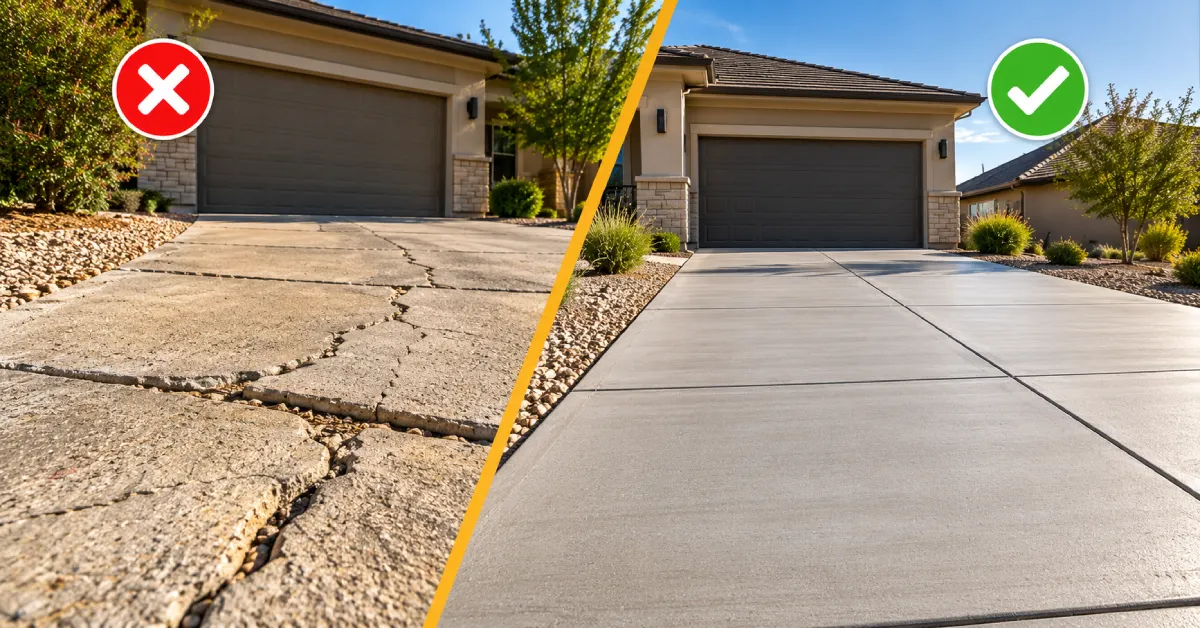
- Widespread cracking is present.
- Slabs are severely uneven or settled.
- The base preparation has failed.
- Expansion joints were improperly installed.
In commercial or industrial environments, safety and code compliance often influence the decision. A professional evaluation ensures the most cost-effective and durable solution.
Extending Patio Longevity With Professional Inspections
Many property owners overlook periodic professional inspections as part of concrete patio maintenance. However, trained contractors can identify early warning signs that are not immediately obvious.
A thorough inspection typically evaluates:
- Joint integrity
- Surface wear patterns
- Subgrade stability
- Drainage effectiveness
- Edge deterioration
In high-traffic environments such as restaurants, retail storefronts, multifamily properties, or oilfield facilities, professional guidance can prevent costly disruptions and liability concerns. Proactive concrete care always costs less than reactive repairs.
Frequently Asked Questions (FAQ)
How long should a concrete patio last?
A properly installed and maintained patio can last 25 to 30 years or longer. Regular patio cleaning, timely patio sealing, and crack management significantly improve patio longevity.
Is pressure washing safe for concrete patios?
Yes, but it must be done correctly. Excessively high pressure can damage the surface. Use moderate pressure and avoid concentrated spray at joints and edges.
What is the best time of year to seal a patio in West Texas?
Spring and fall are ideal because temperatures are moderate. Avoid sealing during extremely hot summer days or when rain is forecasted.
Can small cracks be ignored?
Small hairline cracks are common, but they should still be monitored and sealed to prevent water intrusion. Ignoring even minor cracks can lead to larger structural issues.
How do I know if my patio needs professional repair?
If you notice widening cracks, uneven slabs, water pooling, or rapid surface deterioration, it is best to consult with a qualified concrete contractor in the Permian Basin region.
Get a Free Concrete Project Estimate
Proper concrete patio maintenance protects your investment, but sometimes professional repair or replacement is the most practical solution. Whether you need crack repair, resealing, drainage correction, or a completely new installation, expert guidance ensures long-term performance.
Permian Basin Concrete provides residential, commercial, and industrial concrete services throughout Odessa, Midland, and the surrounding Permian Basin region. From patio construction to large-scale concrete projects, our team understands the soil conditions, climate, and structural demands unique to West Texas.
If you would like a professional evaluation of your patio or are planning a new concrete project, contact Permian Basin Concrete today for a free project consultation and estimate.
Email: info@permianbasinconcrete.com
We are committed to helping property owners across West Texas achieve durable, long-lasting concrete solutions built for performance and longevity.