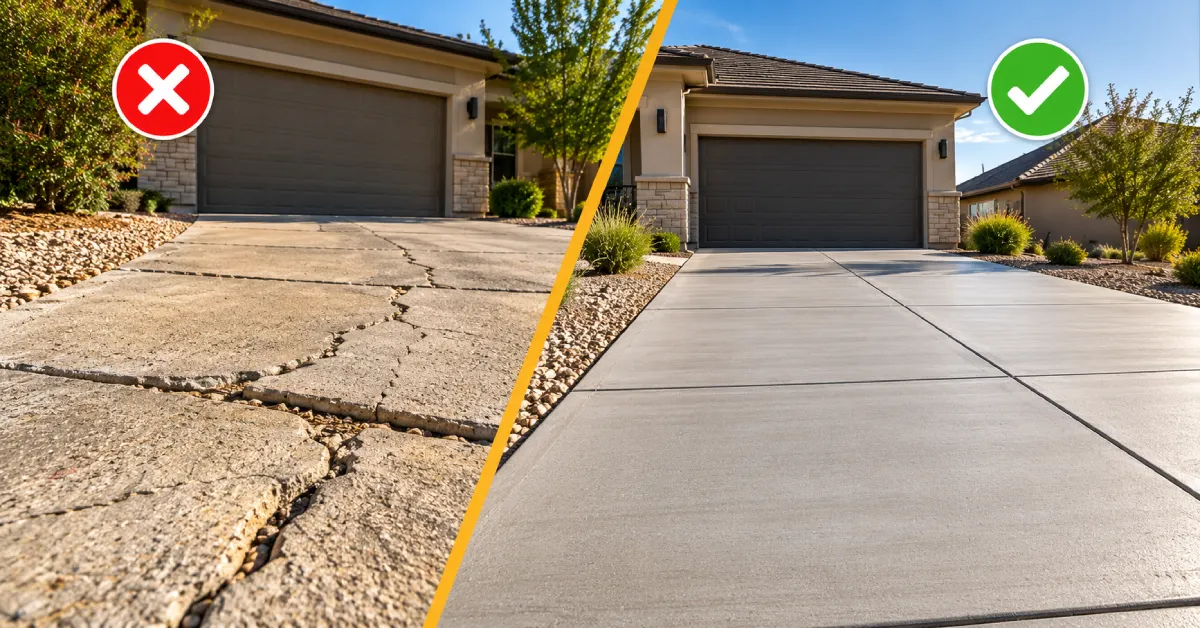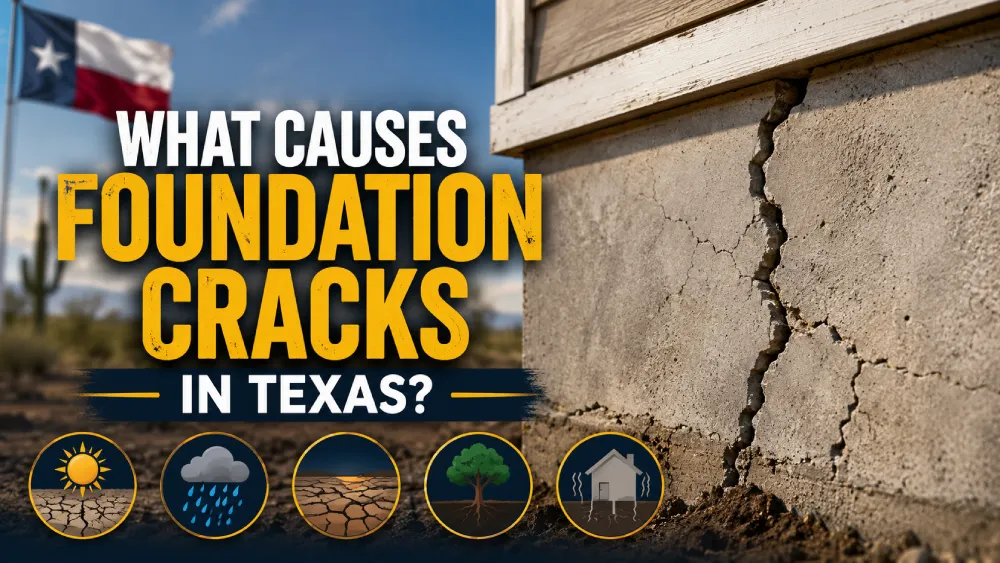

Concrete driveway installation is one of the most important exterior improvements a property owner can make. A well-built driveway enhances curb appeal, improves functionality, and adds long-term value to your home or commercial property. In West Texas, where extreme heat, shifting soils, and heavy vehicles are common, quality workmanship makes all the difference.
Whether you are planning a new driveway for a home in Odessa, upgrading a property in Midland, or developing land elsewhere in the Permian Basin, this guide will walk you through everything you need to know. From materials and site preparation to costs and contractor selection, we’ll cover the practical details that help you make an informed decision.
Why Concrete Is a Smart Choice for Driveways in West Texas
Concrete remains one of the most popular materials for driveway construction because of its strength, longevity, and low maintenance requirements. In the Permian Basin, those qualities are especially important due to the region’s climate and soil conditions.
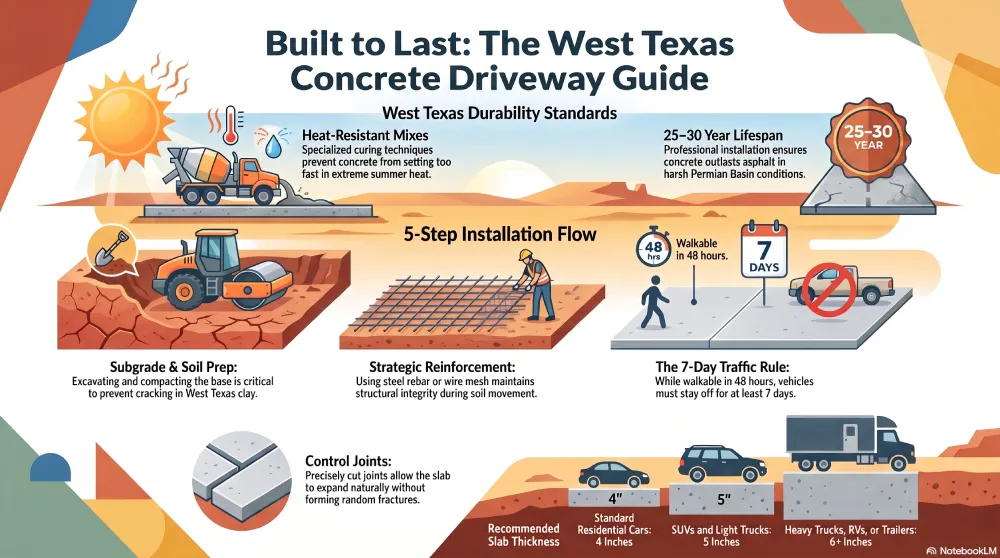
West Texas temperatures regularly exceed 100 degrees in the summer, which can cause asphalt to soften and rut. Concrete, when properly mixed and installed, holds up exceptionally well under heat and heavy loads. This makes it ideal for residential concrete driveways as well as properties that accommodate trucks, trailers, or oilfield equipment.
Additional benefits of concrete driveways include:
- Long service life, often 25–30 years or more
- Minimal maintenance compared to other materials
- Improved curb appeal and property value
- Resistance to fuel, oil, and chemical spills
- Customizable finishes and decorative options
When installed correctly by an experienced driveway contractor, concrete provides a stable, durable surface that performs well over decades rather than just a few years.
The Concrete Driveway Installation Process
A successful concrete driveway installation depends on proper planning, preparation, and execution. Skipping steps or cutting corners can lead to cracking, settling, and costly repairs later.
1. Site Evaluation and Planning
Before any work begins, a professional driveway contractor will evaluate the site. This includes checking soil conditions, drainage patterns, slope, access points, and existing structures.
In areas like Midland and Odessa, expansive clay soils are common. These soils swell when wet and shrink during dry spells, which can cause movement beneath a slab. Addressing subgrade preparation properly is critical to the long-term success of driveway construction in the Permian Basin.
During this phase, the contractor will also determine:
- Driveway dimensions and layout
- Required thickness (typically 4–6 inches for residential concrete)
- Reinforcement needs (rebar or wire mesh)
- Drainage adjustments
Proper planning prevents water from pooling and ensures the driveway directs runoff away from your home or building foundation.
2. Excavation and Subgrade Preparation
Excavation involves removing topsoil and unsuitable material to create a stable base. This step is often overlooked by inexperienced contractors, but it is one of the most important aspects of driveway construction.
The subgrade is then shaped and compacted to provide a solid foundation. In many cases, a layer of compacted road base or crushed stone is added to improve stability and drainage.
Poor base preparation is one of the most common reasons new driveways crack or settle prematurely. A reputable driveway contractor will invest time and equipment into getting this step right.
3. Formwork and Reinforcement
After the base is prepared, wooden or metal forms are installed to shape the driveway. These forms ensure clean edges and uniform thickness.
Reinforcement is placed within the forms to strengthen the slab. Depending on the design and load requirements, this may include:
- Steel rebar
- Welded wire mesh
- Fiber reinforcement in the concrete mix
Reinforcement does not prevent cracks entirely, but it helps control them and maintains structural integrity if minor cracking occurs.
4. Pouring and Finishing the Concrete
Once the groundwork is complete, the concrete is delivered and poured. Timing is critical, especially in hot West Texas conditions where concrete can set quickly.
After placement, the concrete is:
- Leveled and screeded
- Floated to smooth the surface
- Edged along the forms
- Given a final finish, often a broom texture for traction
Control joints are saw-cut or tooled into the concrete to help manage cracking. These joints allow the slab to expand and contract naturally without forming unsightly random fractures.
5. Curing and Protection
Curing is essential to achieving maximum strength. Concrete does not “dry”; it chemically cures over time. This process must be managed carefully.
Proper curing techniques may include:
- Applying curing compounds
- Covering with plastic sheeting
- Lightly misting with water
In most cases, you can walk on a new driveway within 24–48 hours, but vehicles should stay off for at least 7 days. Full strength develops over approximately 28 days.
How Thick Should a Concrete Driveway Be?
Thickness plays a major role in performance and longevity. For most residential concrete driveways, the standard thickness is 4 inches. However, thicker slabs are often recommended depending on use.
| Use Type | Recommended Thickness |
|---|---|
| Standard residential cars | 4 inches |
| SUVs and light trucks | 5 inches |
| Heavy trucks or trailers | 6 inches or more |
| Commercial/industrial use | Engineered design |
If your new driveway will regularly support work trucks, RVs, or oilfield vehicles common in the Permian Basin region, a thicker slab with reinforced steel is often worth the investment.
Design Options for a New Driveway
Concrete does not have to be plain or purely functional. Modern concrete driveway installation offers multiple design options to enhance appearance while maintaining strength.
Decorative Finishes
Homeowners can choose from:
- Broom finishes for classic texture and traction
- Stamped patterns that mimic stone or brick
- Colored concrete for visual interest
- Exposed aggregate for a natural look
Decorative options are particularly popular in newer neighborhoods across Odessa and Midland, where homeowners want their property to stand out.
Layout Enhancements
Depending on available space and budget, your driveway contractor may suggest:
- Curved entrances
- Widened parking aprons
- Turnaround pads
- Integrated walkways
These features improve functionality and reduce wear caused by tight turning angles.
Common Questions About Driveway Construction
Property owners often hesitate before committing to driveway construction because they want clarity on cost, durability, and maintenance. Addressing these concerns upfront helps ensure satisfaction.
How Long Does Concrete Last?
A well-installed concrete driveway can last 25 to 30 years or more. Longevity depends on proper base preparation, reinforcement, drainage, and maintenance.
Will Concrete Crack?
All concrete has the potential to crack. However, proper reinforcement and control joints significantly reduce visible damage and structural concerns.
Cracks are usually caused by:
- Soil movement
- Improper curing
- Heavy overload
- Poor subgrade preparation
Choosing an experienced driveway contractor minimizes these risks.
What Maintenance Is Required?
Concrete driveways require minimal maintenance compared to other materials. Recommended practices include:
- Sealing every few years to protect against moisture and stains
- Cleaning oil spills promptly
- Avoiding heavy impacts along edges
- Keeping drainage areas clear
Simple upkeep can greatly extend the life of your new driveway.
How to Choose the Right Driveway Contractor
Selecting the right contractor is just as important as choosing the right material. Not all concrete services are created equal, and workmanship directly affects performance.
When evaluating a driveway contractor in the Permian Basin, consider:
- Experience with residential concrete projects
- Knowledge of West Texas soil and climate conditions
- Proper licensing and insurance
- Clear written estimates and project timelines
- Local references and completed project examples
Avoid choosing solely based on the lowest price. In driveway construction, poor workmanship often leads to costly repairs long before the driveway reaches its expected lifespan.
Concrete Driveways for Commercial and Industrial Properties
While homeowners represent a significant portion of projects, concrete driveway installation is equally important for commercial and industrial applications.
Businesses in Midland and Odessa often require:
- Heavy-duty drive lanes
- Equipment access roads
- Loading areas
- Fleet parking surfaces
Industrial facilities and oilfield service companies in West Texas depend on durable surfaces that can withstand heavy loads and constant traffic. In these cases, engineered concrete design, thicker slabs, and specialized reinforcement are critical.
Property managers and developers benefit from working with a contractor experienced in both residential concrete and large-scale commercial projects.
Cost Factors for a Concrete Driveway Installation
Pricing varies based on several factors, and no two projects are exactly the same. Key cost drivers include:
- Driveway size and thickness
- Site accessibility
- Level of excavation required
- Reinforcement materials
- Decorative enhancements
- Local material and labor rates
Projects in the Permian Basin may also reflect seasonal demand and site-specific challenges such as expansive soils or remote access.
While cost is important, value should be the primary focus. A properly installed driveway spreads its cost over decades of use, making it a smart long-term investment.
Frequently Asked Questions (FAQ)
How long before I can park on my new driveway?
Most concrete driveways can handle vehicle traffic after about 7 days. However, waiting the full 28 days allows the concrete to reach maximum strength.
Do I need permits for driveway construction in Odessa or Midland?
Permit requirements vary depending on the project scope and municipality. A knowledgeable local contractor can help determine whether permits are required and handle the process if necessary.
Can a new driveway be poured over an existing one?
In some cases, an overlay is possible, but it depends on the condition of the existing concrete. Severely cracked or settling slabs usually require full removal and replacement to ensure proper performance.
What is the best time of year for concrete driveway installation?
Concrete can be installed year-round in West Texas, but extreme summer heat requires careful scheduling and curing practices. Experienced contractors understand how to adapt to seasonal conditions.
Is sealing necessary?
Sealing is not mandatory, but it is highly recommended. Sealers protect against moisture intrusion, staining, and surface wear, especially in high-traffic areas.
Get a Free Concrete Project Estimate
If you are planning a concrete driveway installation in Odessa, Midland, or anywhere in the Permian Basin region, Permian Basin Concrete is ready to help. The company provides residential, commercial, and industrial concrete services tailored to the demands of West Texas environments.
Whether you need a new driveway for your home, expanded access for a commercial property, or heavy-duty surfaces for industrial use, experienced professionals can guide you through every step of the process. From initial planning to final curing, attention to detail ensures long-term performance.
To schedule a free project consultation and estimate, contact Permian Basin Concrete today:
Email: info@permianbasinconcrete.com
Website: https://permianbasinconcrete.com
Reach out to discuss your project goals and get a detailed, no-obligation estimate for your concrete project. A durable, professionally installed driveway starts with the right team.